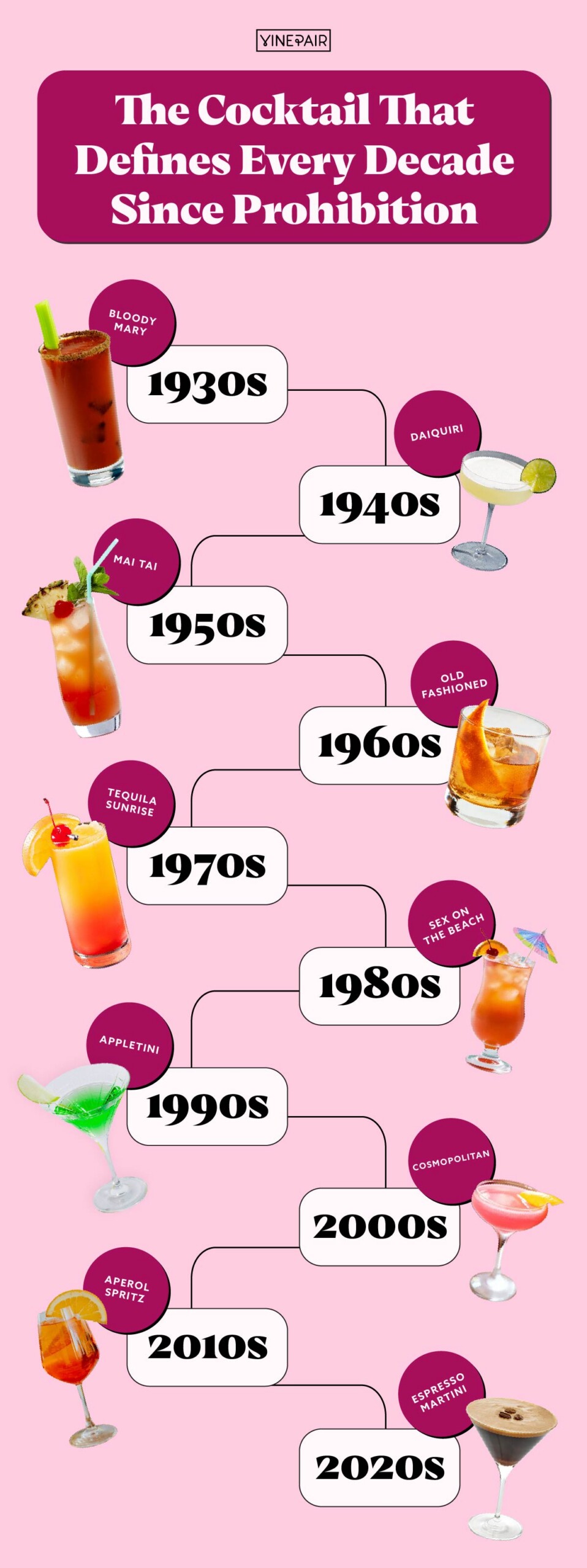
![The Cocktail That Defines Every Decade Since Prohibition [Timeline]](https://vinepair.com/wp-content/uploads/2026/04/0427_CocktailsEveryDecadeProhibition_card-375x450.png "The Cocktail That Defines Every Decade Since Prohibition [Timeline]")
Trends can define certain decades. Mention the 1980s, for example, and images of neon clothes, big hair, and women’s jackets with shoulder pads rivaling a middle linebacker may immediately come to mind. They aren’t wholly definitive of the decade — the ’80s was also the era of slick Wall Street yuppies, thrash metal, and the constant threat of nuclear warfare — but they do paint a vivid enough picture of what the vibe was like at the time.
These definitive motifs also exist in the cocktail world. Ever since Prohibition’s repeal, each subsequent decade has had a drink that can provide an efficient snapshot showing what was happening then in the bar scene across the country. These libations stick out as definitive because they tend to connect to other elements shaping the decade’s popular culture.
There are several cocktails that can claim “cocktail-of-the-decade” status within a given 10-year period; however, a handful of drinks stand out as particularly emblematic of a given time, both at the bar and beyond. This article humbly aims to pinpoint these special drinks.
Before we dive in, let’s lay down a couple of important ground rules.
First off: The Classic Gin Martini didn’t make the cut because it doesn’t need to be listed. Martinis are eternal, and could be justified as the drink of choice across several decades, including the one we’re currently living through. Each span seemingly provides its own justification: “The Thin Man” film series in the 1930s and 1940s making Martini drinking sophisticated; James Bond shaking, not stirring since the 1960s; the wet Martini revival coinciding with the 2000s craft cocktail resurgence. In other words, a Martini doesn’t need a fixed point on a list like this for us to know everyone drank the hell out of them within a decade, which speaks volumes about the drink’s perpetual coolness. Just know the Martini’s presence hovers over this list like a boozy angel.
Secondly, some drinks didn’t make the cut because they didn’t quite capture the zeitgeist of the era from a mass appeal standpoint. The Manhattan, for instance, is a delightful drink. But did it have the same of-the-moment time stamp as, say, a Mai Tai during the height of classic tiki bar culture? Not quite. This same logic applies to most of the drinks that captured the imagination of true-blue cocktail nerds during the modern cocktail revival.
Finally, some of the most iconic cocktails ever had popularity that straddled two decades. They require us to pick a lane. This led to some choices that may come across as slightly controversial, or, at the very least, provoke spirited conversations. Embrace the controversy. If you don’t agree with the way the list shakes out, you can, for argument’s sake, assume your opinion is right.
Let’s do this.
1930s — Bloody Mary
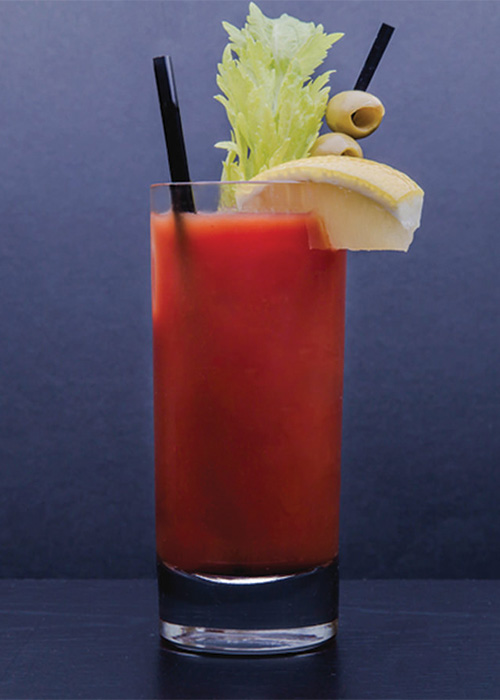
Long before it became a brunch staple, the Bloody Mary was revered as a hangover cure post-Prohibition. The drink was a relatively new, shiny object back then: It’s generally agreed upon that it was invented in Europe in the 1920s and refined at New York’s St. Regis Hotel in the 1930s. Its unique mix of vodka, tomato juice, Worcestershire sauce, and hot sauce gave it the heft folks needed to deal with the pain caused by excessive consumption as they slowly learned how to legally drink again. While Prohibition-era gin cocktails were also the rage back then, the Bloody Mary’s alleged abilities as a “hair of the dog” left such an indelible imprint that it remains the quintessential breakfast cocktail to this day.
Honorable mention: Corpse Reviver #2, Blood and Sand
1940s — Daiquiri
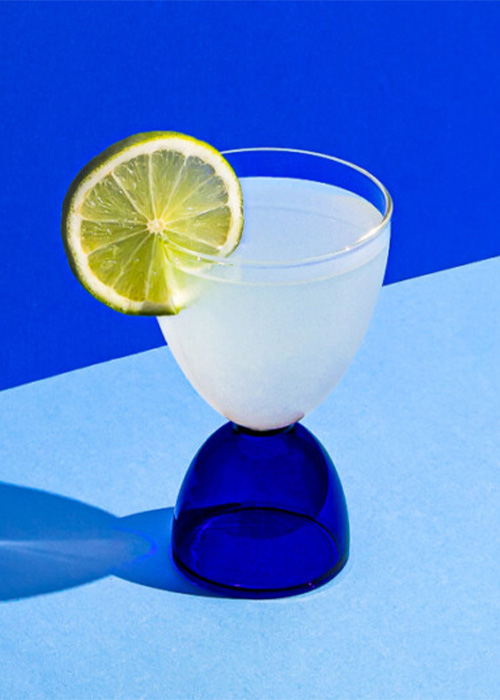
Earnest Hemingway and Franklin D. Roosevelt both had plenty to do with why the Daiquiri became the cocktail of choice in the 1940s. The author and legendary imbiber put the classic and frozen variations on the nation’s radar thanks to his frequent visits to the legendary Cuban bar El Floridita throughout the 1930s and 1940s. The then-President’s Good Neighbor Policy strengthened trade between the U.S. and the Caribbean during World War II, making rum more accessible at a time when rationing made whiskey tough to obtain. The drink’s association with rum arguably laid the foundation for another popular trend to take off in the following decade.
Honorable mention: Sidecar, French 75
1950s — Mai Tai
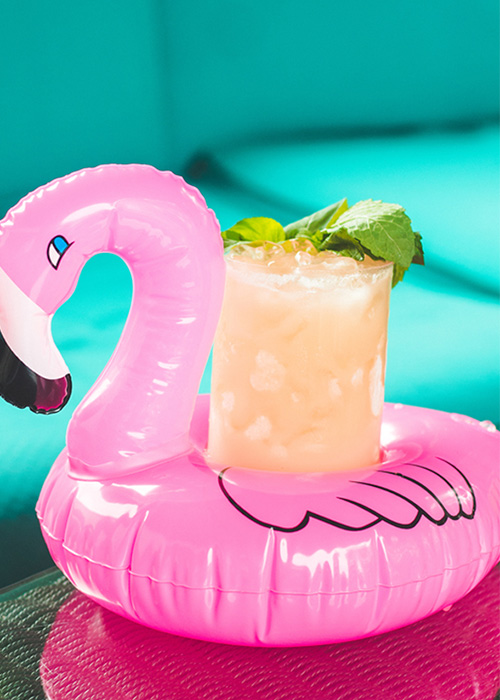
Tiki culture reached its zenith in the 1950s for several reasons, from the lingering need for post-World War II escapism to returning war veterans’ desire to embrace a romanticized version of the South Pacific aesthetic they witnessed while serving. The Mai Tai was the movement’s undisputed liquid symbol. “Trader Vic” Bergeron created the cocktail in 1944, but the drink didn’t really conquer the world until 1954, when Bergeron tweaked the recipe to make it a little sweeter. The adjustment launched the drink into the stratosphere, and it concentrated the tiki scene’s theme of chill, tropical bliss into a beloved beverage.
Honorable mention: Brandy Alexander, Vodka Martini
1960s — Old Fashioned
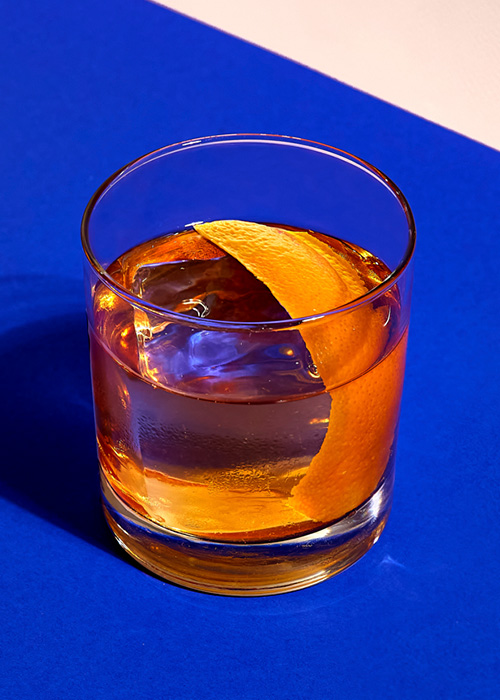
The first few years of the 1960s looked like an extension of the previous decade. Then, the Beatles and drugs hit the scene, and cocktail culture began showing signs that it would spin out of control by the end of the decade. Yet during this unique timespan, the cocktail party hit its cultural apex. The movement transformed average people into home bartenders whenever they assumed hosting duties, and they tended to keep things simple by whipping up classic drinks with relatively easy-to-make builds. There are a few drinks that could fit here, but the Old Fashioned gets the nod, admittedly because Don Draper from “Mad Men” seemed to drink, like, three of them in every episode.
Honorable mention: Manhattan, Whiskey Sour
1970s — Tequila Sunrise
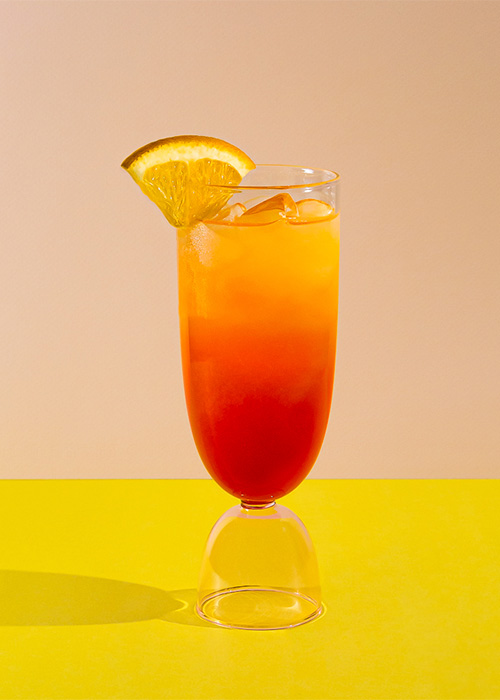
The 1970s launched the “disco drink” era, where cocktail culture hit its dark ages. Because of this, the best criteria to use in selecting a decade-defining drink is to highlight a cocktail symbolizing the ’70s’ unironic devotion to tacky excess. The Tequila Sunrise fits the bill for a few reasons. It’s an aesthetically pleasing drink that somehow manages to look like a ’70s relic, just like a macrame wall hanging. It also contains orange juice, which was a popular cocktail ingredient then. But it’s none other than the Rolling Stones that seal the deal. They ingested so many of these concoctions (among other substances) during their 1972 American Tour, they dubbed the traveling concert series the “Cocaine and Tequila Sunrise Tour.” It’s hard to get more ’70s than that.
Honorable mention: 7&7, Harvey Wallbanger
1980s — Sex on the Beach
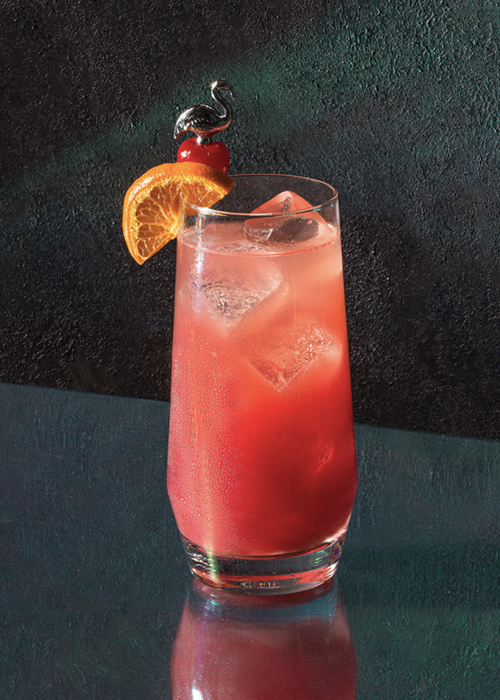
The decade that gave the world the movie “Cocktail” was also the nadir of cocktail culture. Neon-hued drinks cobbled together with premade mixers and canned juices were standard practice — elements that the craft cocktail revival of the early ’00s roundly rejected in its efforts to reconstruct the modern drinks scene. The Sex on the Beach is the perfect symbol of this dour drinking decade because it was immensely popular and its ingredient build of vodka, peach schnapps, orange juice, and cranberry juice is oh so ’80s. It also highlights the decade’s gross trend of giving any new creation a dirty name dripping with sexual innuendo. Sex on the Beach was a relatively mild example of this trend, but other cocktails that won’t be mentioned here carried names that were significantly raunchier and a bit vile in retrospect.
Honorable mention: Pina Colada, Midori Sour
1990s — Appletini
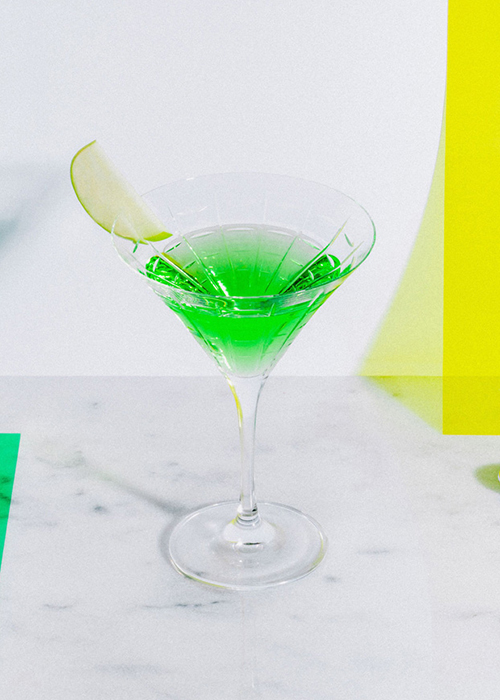
The Appletini was a huge hit in the 1990s. Frankly, it deserves its flowers: The drink can be surprisingly tasty when made with fresh ingredients. It also points to one of the oddest cocktail trends of the past 40 years. Back in the ’90s, any drink served in a Martini coupe was automatically dubbed a Martini, be it with the full name like a Chocolate Martini or with “-tini” simply slapped at the end of its name. If you’re a cocktail enthusiast, your snap judgement may be to deem the nouveau Martini movement obnoxious: Don’t fall into this trap. Instead, take a beat and remember Salvatore Calabrese created the Breakfast Martini and the late bartending legend Dick Bradsell concocted the Espresso Martini. Both are modern classics, and, like it or not, helped nudge the global cocktail scene toward its contemporary excellence.
Honorable mention: Long Island Iced Tea, Lemon Drop
2000s — Cosmopolitan
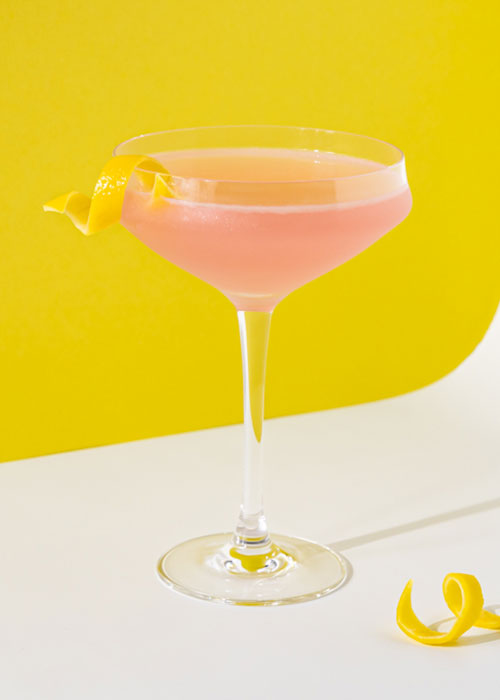
The Cosmopolitan had to be on this list. Calling it either the drink of the ’90s or the ’00s was hard, and some of you reading this may be screaming at your screen about the Cosmo being a ’90s drink right about now. If you lived in New York City during the ’90s, when Toby Cecchini’s version was a hit among the Manhattan socialite scene, you could justify the rage. But here’s the deal: “Sex and the City” spread the Cosmo craze nationwide, and the drink made its first appearance in the episode “The Awful Truth,” which initially aired on June 13, 1999. Putting the drink in the ’90s only gives it six months of nationwide cultural dominance. Plus, the Cosmopolitan didn’t start losing its fastball until after the show went off the air in 2004. As much as cocktail culture revolves around NYC (and deservedly so), calling the Cosmopolitan the drink of the ’90s seems a little too NYC-centric. So it’s here. Sorry not sorry?
Honorable mention: Mojito, Vodka Red Bull
2010s — Aperol Spritz
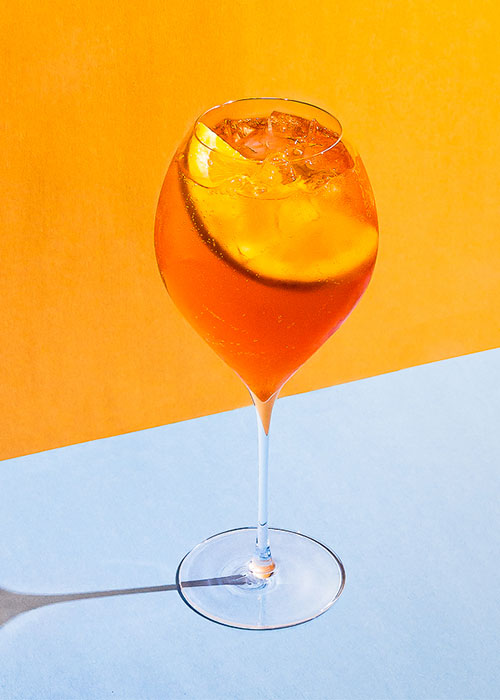
The 2010s were the start of aperitivo culture in the United States, when it became fashionable to sit by the pool on a warm summer day and sip on something bittersweet through a straw. The Aperol Spritz led the way in this movement, and part of its power may have been the relative newness of its star ingredient. It may be a bit hard to believe in 2026, but Aperol was not available in the U.S. until 2006. It arrived with a bang, and it’s been influencing the creation of variants like the Hugo Spritz ever since. Its unique flavor profile may have arguably been the gateway for some drinkers to feel comfortable trying bitter stirred drinks like the Negroni, which could have also occupied this spot on the list.
Honorable mention: Negroni, Moscow Mule
2020s — Espresso Martini
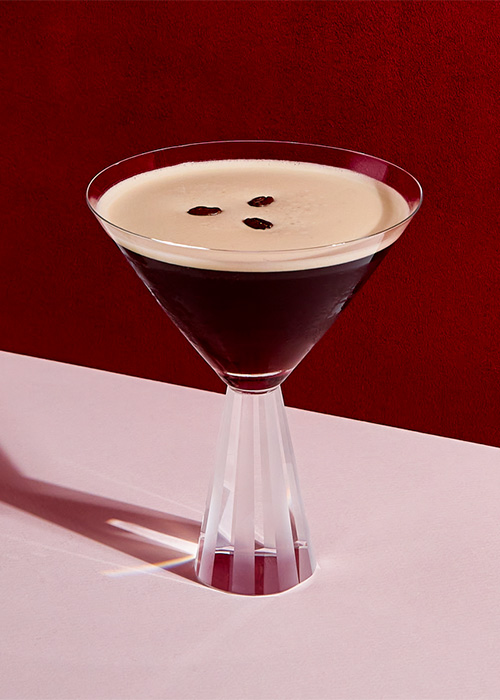
It’s very hard to argue against the Espresso Martini being this decade’s “it” cocktail. Its journey to get to its current status is rather fascinating. In the ’90s, it rivaled the Appletini as the king of “Martinis-that-aren’t-actually-Martini” drinks. It became a punchline once the craft cocktail revival hit full stride, despite the fact revered bartending legend Dick Bradsell created the drink back in the day. It seemed hopeless for the drink, until nostalgia for the decade of flannel and pop-punk music took hold and bartenders started recreating Espresso Martinis with better ingredients like artisanal coffees and craft liqueurs. By the time spirits behemoth Diageo scooped up Mr. Black for its portfolio in 2022, there was no turning back. It was a fixture in the bar scene, and will likely remain one in the future — at least until the drink that defines the 2030s comes along.
Honorable mention: Margarita, Paloma
*Image retrieved from M.S. Meeuwesen via Unsplash
