Gin was somewhat of a tough sell in the early days of the craft cocktail revival. Consumers were more reluctant to dive into the botanical booze like they had for brown spirits. This sometimes compelled bartenders who embraced gin to hatch creative ways to promote the category. In one legendary story, for instance, a member of Pegu Club’s roster of acclaimed bartenders would sell guests on gin by telling them it was juniper-flavored vodka.
A couple of decades later, and the gin category has blossomed into a fascinating space that virtually demands exploration from the spirits enthusiast. This is partially due to an abundance of expressions from around the world, many of which create innovative ways to build flavor around gin’s required juniper berries.
The level of choice can admittedly cause analysis paralysis among gin newcomers. Finding the right bottle to kick off a personal gin journey can be tough. Having a trusted guide that understands gin can reduce some of the difficulty, and there may not be a better font of knowledge to draw from than a bar professional. With that in mind, we asked 15 bartenders to highlight their choice for the gin that’s perfect for beginners.
Best gin for beginners, according to bartenders:
- Bayab Orange and Marula Gin
- Citadelle Gin
- Fords Gin
- Aria Classic Dry Gin
- Condesa Gin ‘Clásica’
- Bluecoat American Dry Gin
- Suntory Roku Gin
- Beefeater London Dry Gin
- Hendrick’s Gin
- Bayab Palm & Pineapple
- Drumshanbo Gunpowder Gin
- Tanqueray
- Letherbee Gin
- Nolet’s Silver Dry Gin
- The Botanist Islay Dry Gin
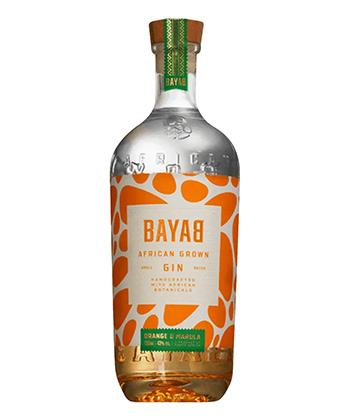
“Bayab Orange and Marula gin distilled in South Africa is an excellent introduction for those that may find gin to be medicinal in flavor. Marula is a sub-Saharan fruit that truly represents the place where it grows: bright, vibrant, and intense. This helps allow the gin to make a great dry Martini and a great Gimlet; which is not always the case. Having the juniper and spice play a more minor role than the citrus is what sets this gin apart from the rest.” —Zack Atzert, head bartender, The Fountain Inn, Washington, D.C.
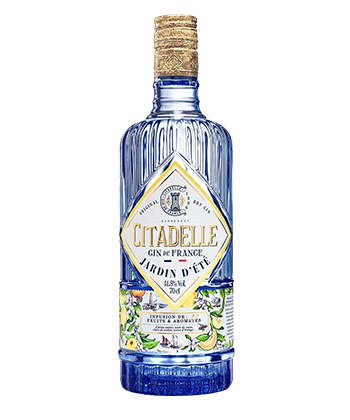
“For something right down the middle, I would go with Citadelle Gin. It’s a very approachable London style gin. It’s super easy-drinking with a wonderful punchy juniper that isn’t overpowering. They are also one of the only global gin brands to harvest and cultivate their own juniper, so they have very fresh botanicals.” —Jarett Karlsberg, beverage director, Wythe Hotel, Brooklyn
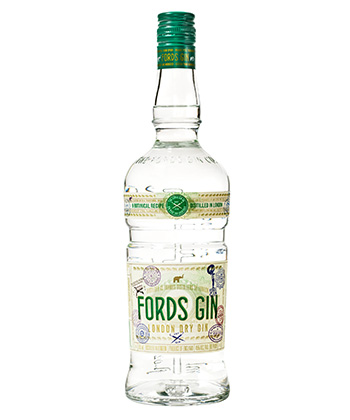
“Fords Gin is approachable for beginners because it’s balanced rather than juniper-heavy, so it doesn’t hit you with that ‘pine tree’ intensity some gins have. It was developed with input from bartenders to be versatile, meaning it works well in almost any classic cocktail. This makes it a good all-purpose bottle to learn how to make gin-based drinks. It’s also reasonably priced and widely available, so it’s an easy, low-risk way to start exploring gin.” —Charlotte Marshall, beverage director, Nic & Junior’s Tavern, Chicago
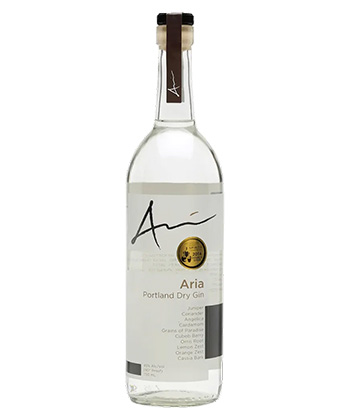
“A strong, juniper-forward flavor may not be what beginners are looking for. With that in mind, Aria Classic Dry Gin strikes a beautiful balance between the traditional London Dry style and approachable floral and citrus notes. It has layers of flavor that stand alone well in a dry Martini but also integrate perfectly into any classic gin cocktail. My summer go-to is an Aria Gin & Tonic, garnished with a fresh lime and a sprig of thyme. However, with winter right around the corner, I will soon be reaching for a classic Aria Negroni.” —Jessica Brown, bar director, Nostrana, Portland, Ore.
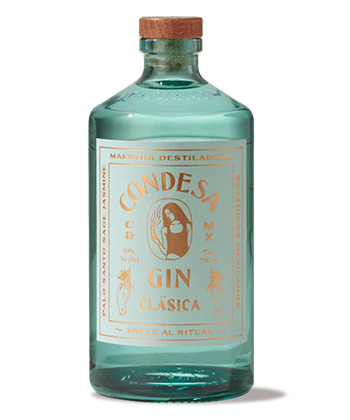
“One of my favorite gins for beginners, and in general, is Condesa Gin ‘Clásica.’ Condesa’s prioritization of Mexican botanicals over traditional ones found in London Dry gins such as palo santo and Mexican sage make it more palatable to someone new to gin, while making it softer on the palate. Its versatility is also a major plus; we love using it in White Negronis and Martinis alike.” —Ricky Dolinsky, beverage director, Dandelion and Keepers, New York City
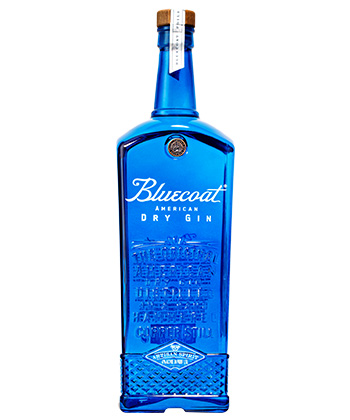
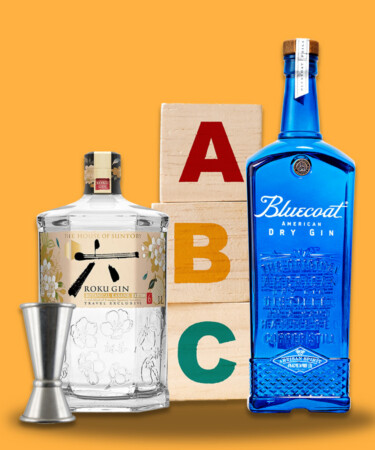
“Bluecoat American Dry Gin is my no-brainer recommendation for anyone new to gin. Wonderfully textured and citrus-forward, it carries a subtle sweetness followed by a delicate, spicy finish. At 47 percent ABV, it’s dangerously sippable. From a practicality standpoint, Bluecoat is easygoing in a Martini, delightful in a Negroni, and resilient in just about any shaken cocktail.” —B. Cole, Head Bartender, Valerie, NYC
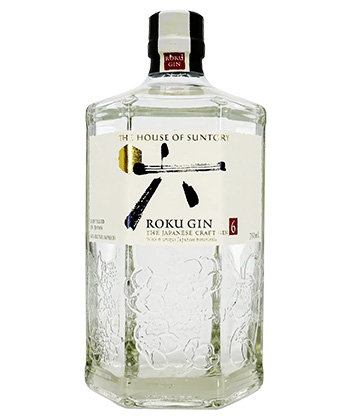
“Suntory Roku Gin is a great choice for anyone new to the world of gin. It’s expressive and approachable, showcasing delicate Japanese botanicals like sakura, yuzu, and sencha tea. Roku has significant floral and citrusy character without relying on the juniper-forward flavor that can be overwhelming for those new to drinking gin. It’s also a team player in cocktails, as its balanced profile blends harmoniously with other ingredients.” —Martha Davis, lead bartender, The Marigold Club, Houston
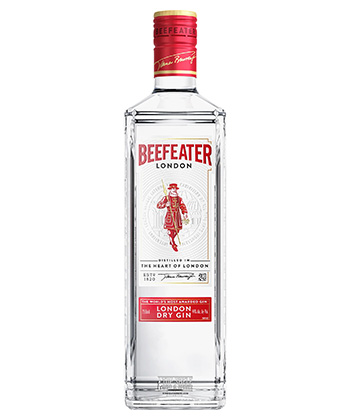
“Gin is a fantastic spirit. It comes in all shapes and sizes, so it is approachable for many different palates. For someone trying gin for the first time, I’d recommend a citrus-forward, London Dry style, and Beefeater London Dry Gin immediately comes to mind. It is crisp and clean, and true to its name, finishes dry. Also, If tonic is your mixer when you’re getting into gin, please make sure you’re using a great one. It matters.” —Sarah Clark, director of operations, The Dearborn, Chicago
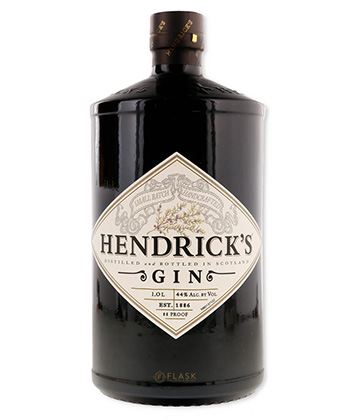
“For someone new to gin, I would recommend Hendrick’s Gin. It is approachable without losing the character that makes gin unique. It has a smooth and easy-to-drink flavor, with light notes of cucumber and rose that make it less strong and traditional than some other gins. It also works well in simple cocktails like a Gin & Tonic, Martini, or Tom Collins. I think it is a good starting point because you can enjoy it on its own, but it also mixes well with different flavors.” —Kelly Duong, general manager and mixologist, Kyojin, Washington, D.C.
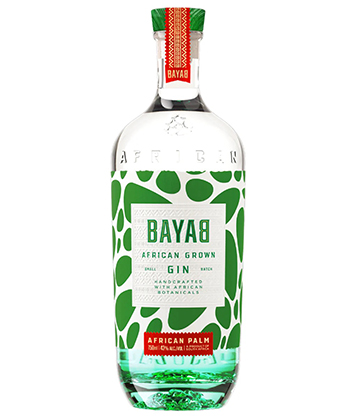
“For someone newer to gin, I think Bayab Palm & Pineapple is a really approachable entry point. The first thing you get is this bright, tropical pineapple character rather than being hit immediately with a ton of juniper. There’s still enough dryness, citrus, and botanical structure underneath it that it drinks like gin, but it gives you a familiar flavor to enter through. It’s a good example of how flavored gin can bring something very recognizable to a cocktail while still doing the job you need the gin to do.” —Kyle Jackson, beverage director, The Argyle, NYC
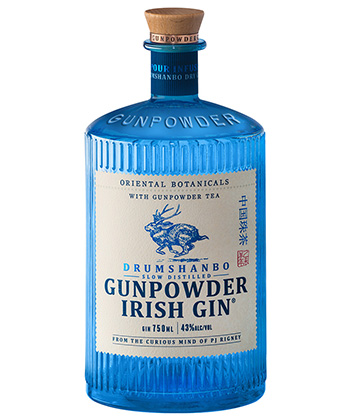
“I think people new to gin often have the misconception that it’s overly piney — like drinking a Christmas tree in a glass — or that it’s something their grandma drank. But there are plenty of gins that are much more approachable for beginners. Drumshanbo Gunpowder Gin, for example, is citrus- and tea-driven, with gentle spice notes that make it really enjoyable. For something even more familiar, Hendrick’s leans into cucumber and rose, creating a softer, more approachable profile. Both are great introductions to gin because they showcase its versatility without overwhelming someone who may not be accustomed to its distinctive botanicals.” —Daniel Navarro, lead bartender, CHICA, Las Vegas
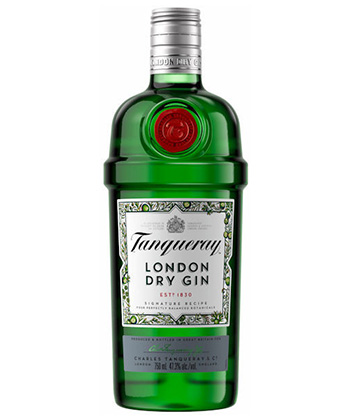
“Starting off with a classic London Dry gin like Beefeater or Tanqueray is a great way to understand the category. These are classic styles where you can clearly identify the botanicals, especially juniper, along with citrus, coriander and other herbs and spices. Once you understand that classic profile, you can move into Japanese, Italian, Mexican, or small-distillery gins that use botanicals and ingredients that represent where they come from.” —José Maria Dondé Rangel, beverage director, The Bedford and Mexi, NYC
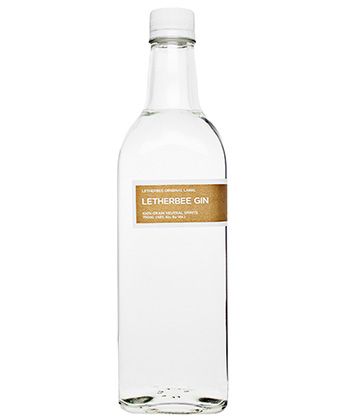
“Letherbee Gin is a versatile choice, ideal for beginners looking to craft a wide variety of cocktails. Because Letherbee does not chill-filter its gin, it retains all the rich essential oils extracted from botanicals like juniper, citrus, and aniseed. When mixed with water or other liquids, these oils bloom and create a distinct cloudy appearance, releasing an intense aroma that elevates classics like the Gin Martini or Gimlet. Additionally, Letherbee’s high proof, robust spice profile, and citrus notes allow it to complement citrus-forward drinks without being overshadowed by sugar or acid. This makes it an exceptional base for sour-style cocktails such as the Bee’s Knees, Gimlet, or Last Word. Really, it’s a great all-around gin for any bar.” —Andrew Thompson, beverage manager, Dicey’s Pizza &Tavern, Chicago
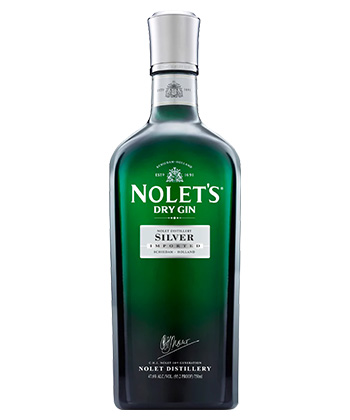
“For someone just getting into gin, I always recommend Nolet’s Silver Dry Gin because it’s beautifully floral and fruit-forward, with notes of rose, peach, and raspberry that make it softer and more approachable. I personally love it in a Gimlet because it’s bright, refreshing, dangerously crushable, and really showcases the beautiful complexity that a gin can possess.” —Jennifer Yen, master mixologist, Bellagio, Las Vegas
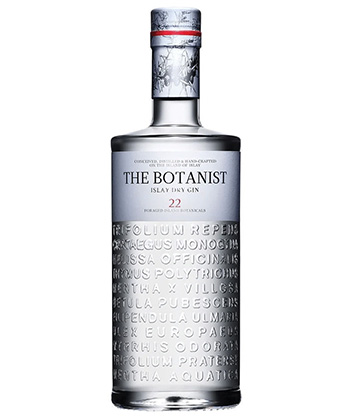
“To me, the classic starter gin is going to be a London dry gin. But if you want to go for a more botanical, citrusy forward gin, I would recommend The Botanist Islay Dry Gin. This gin really pushes botanical flavors, but does so without any added flavors or additives. It also makes a great Gin & Tonic.” —Galen Maclennan, beverage and general manager, Ferguson’s Country, Brooklyn
