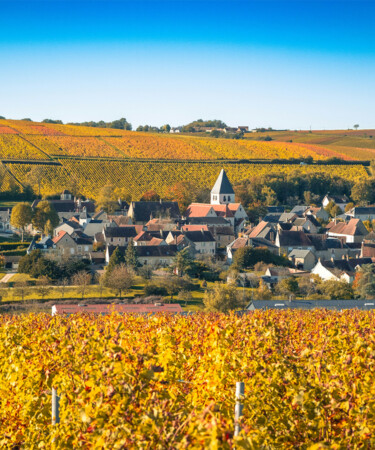
Sancerre is one of the most popular names in white wine. Though it may have experienced a bump in interest thanks to a cameo in Taylor Swift’s most recent documentary, the Loire Valley appellation’s star has long been on the rise. As Sauvignon Blanc became a staple on tables stateside over the past several decades, Sancerre quickly emerged as one of the premier regions for the grape, gaining recognition for its pristine minerality and crisp profile. It became a go-to for many white wine lovers and a stalwart on by-the-glass lists across the country.
The problem with its growing popularity is that the appellation is actually quite small. The picturesque area boasts bucolic scenes of rolling green vineyards and goat farms (it’s also a top producer of goat cheese). But Sancerre covers less than 7,000 acres of land and only produces about 37,400 gallons of wine each year — a small amount when compared to nearby Vouvray’s annual output of about 3 million gallons. In the face of increased demand, the region’s limited capacity has predictably led to a spike in prices, making the beloved wine less accessible to even its most devoted fans. Savvy buyers clocked the nearby Pouilly-Fumé appellation as a comparable option, but its prices quickly followed suit.
But there are more regions out there beyond just Sancerre and Pouilly-Fumé that can deliver that familiar, elegant style. From the Sauvignon Blanc hub of the Central Loire to the coast of the Atlantic Ocean and beyond, here are five alternatives to Sancerre.
Menetou-Salon
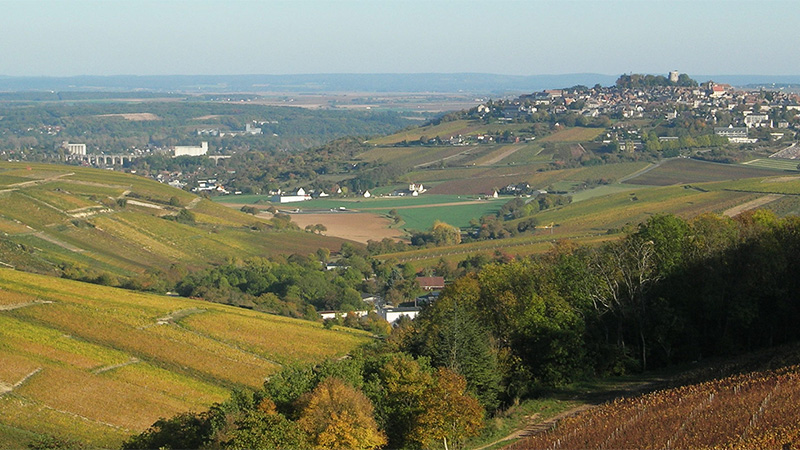
While Sancerre and Pouilly-Fumé get a lot of the attention in the U.S., there’s another small subregion of the Central Loire that produces equally stunning expressions of Sauvignon Blanc, often for a fraction of the price. Menetou-Salon sits just to the east of Sancerre, and, just as in its more prestigious neighboring zones, the vines are planted in flint and limestone-rich Kimmeridgian soils. The wines possess Sauvignon Blanc’s signature citrus notes of lemon zest, freshly squeezed grapefruit juice, and pith as well as its grassy, herbaceous notes and chalky acidity. One producer to watch out for is Domaine Pellé, a fourth-generation, family-run estate making racy, flinty, beautifully expressive examples of Menetou-Salon. The winery’s entry-level bottlings can be found for about $24, delivering loads of quality compared to wines of the same price point from the region next door. Even farther east of Menetou-Salon are the regions of Quincy and Reuilly, which can be a bit more difficult to find on the U.S. market but are also fit replacements to try if you see them on the shelf.
Touraine
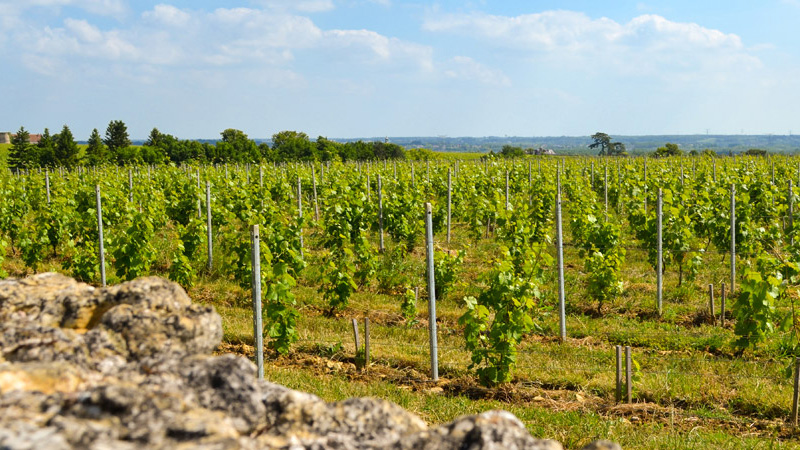
For even more value, look to the larger appellation of Touraine in the Middle Loire area. While many regions in the Loire are known for focusing on a specific variety or style, wines from Touraine run the gamut from savory Cabernet Franc and juicy Gamay to textured Chenin Blancs and sparkling wines. The wide area encapsulates heavy-hitting regions like Vouvray and Chinon, but outside of these designations, curious drinkers can find fruity, refreshing Sauvignon Blancs at excellent prices. Check out bottles from Francois Chidaine for vibrant, citrus-driven wines for under $20.
Muscadet Sèvre-et-Maine
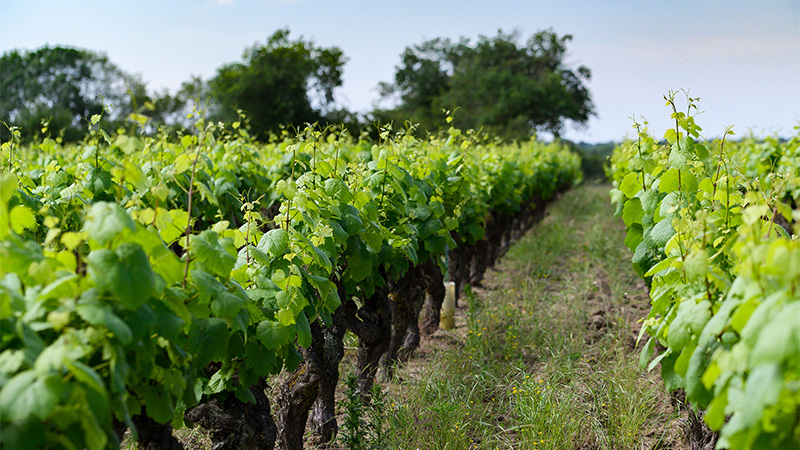
If you know you love Sancerre but aren’t totally committed to the Sauvignon Blanc grape, it’s worth turning your attention east to the breezy Atlantic coast. Here, just below the city of Nantes, is the region that produces Muscadet Sèvre-et-Maine wines. The Melon de Bourgogne variety dominates this region; it’s a grape that tends to be subtle and neutral but excels at expressing terroir. Muscadet wines also undergo extensive aging on the lees, adding a complex, layered texture to the palate. The high-acid wines can certainly mimic the appeal of Sancerre with their refreshing, mineral-driven profile, delicate citrus notes, and crisp salinity. Domaine de la Pépière is one of the producers making standout wines in the region, and its offerings are often available for around $20.
Austrian Sauvignon Blanc
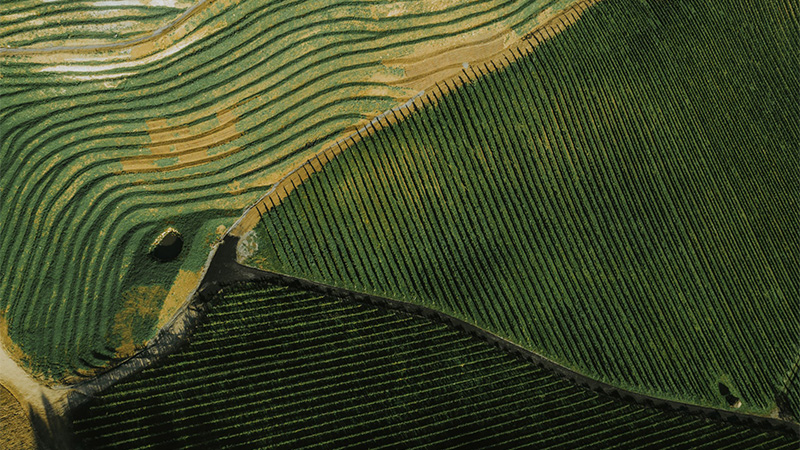
While the Loire Valley is a powerhouse of Sauvignon Blanc, there are many regions producing great expressions of the grape outside France. It might seem like New Zealand would be the next logical place to look for quality Sauvignon Blanc — the grape makes up 85 percent of the wine exported from the small island nation — but the NZ style represents a complete opposite side of the Savvy B spectrum. Sancerre is known for its delicate fruit and crisp minerality, and New Zealand Sauvignon Blancs are ripe and tropical, with intense, tangy notes of passion fruit and jalapeño — not really a one-to-one replacement.
For Sauvignon Blancs that more closely replicate the Loire Valley style, look to the rolling green hills of southern Austria. This might seem like an unexpected pick given the country is known for its peppery Grüner Veltliners and zippy Rieslings, but Styria in the south is known for its expressive, mineral-driven Sauvignon Blancs influenced by the area’s limestone and chalk soils. This allows the wines to deliver the same high acidity and chalky minerality that Sancerre lovers swoon over. The region’s sunny slopes add a touch more fruit and body to the palate, with notes like green apple, pineapple, lime zest, and grapefruit, but the profile doesn’t come at all near the level of ripeness found in a typical New Zealand expression. Tenement is a producer in the region that’s really honed in on this style, making several site-specific Sauvignon Blanc expressions. The winery’s Kalk & Kreide bottling delivers incredible value for its $30 price tag.
Northern Italian Sauvignon Blanc
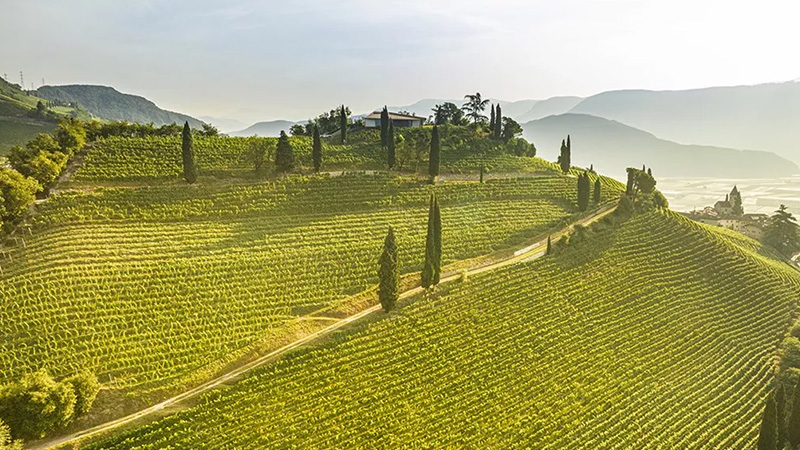
Not far from southern Austria are the mountainous slopes of northern Italy. From the vineyards of Alto Adige in the Dolomites to the hills of Friuli to the east, these high-altitude areas lead to wonderfully crisp expressions of Sauvignon Blanc. The hillsides also catch a lot of sunshine, adding some soft, ripe-fruit notes to the area’s bottlings. Check out Elena Welch in Alto Adige for a Sauvignon Blanc bursting with fresh citrus, grass, and mineral character.
