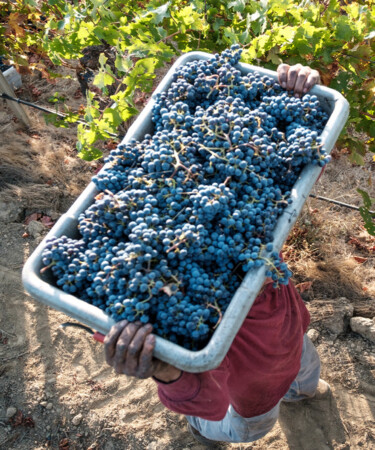
When diving into the wide world of Cabernet Sauvignon, many people start with the Napa Valley. The thick-skinned red wine grape thrives in the Northern California region, where winemakers have transformed it into tannic, velvety wines bursting with red and black fruit flavors for decades. It’s true that Napa has no shortage of amazing Cabernets, but knowing where to start can be intimidating. Especially when considering the sky-high prices of some bottles from America’s premier wine region.
Exploring the AVA can be an expensive affair, though it certainly doesn’t have to be. Across the nearly 200- square-mile region, there are dozens of vintners crafting bottles that perfectly encapsulate what it means to be a California Cab. Some even helped put the state’s wines on the world map, bringing home top billing at the 1976 Judgment of Paris and solidifying Napa’s credibility as a fine-wine region. But it’s not just pioneering producers that serve as a reference point for Napa Valley today.
For those just dipping their toes into Napa Cabernet, we’ve selected 10 essential producers to get familiar with if you’re looking to learn more about the region’s rich history and new developments. Keep reading to discover the producers you should know to get into Napa Cab.
Beringer Vineyards
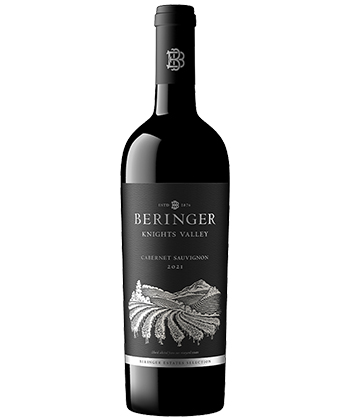
The history of Beringer Vineyards traces back to 1875 when founding winemaker Jacob Beringer and his brother Frederick purchased a 215-acre plot in St. Helena, Calif., known as Los Hermanos. The estate was officially opened the following year after its first harvest, and today it serves as the longest continuously operating winery in the Napa Valley. While most American wineries were forced to halt operations after the ratification of the 18th Amendment, Beringer was able to stay afloat by producing wine for religious purposes with permission from the federal government. Once Prohibition was lifted, the winery made history once more by becoming the first in Napa Valley to offer tours to the public. In 1977, the brand revitalized its winemaking technique by fermenting Cabernet Sauvignon in French oak barrels, making it one of the first —if not the first — wineries to do so. All Cabernets in the premium Private Reserve lineup are fermented in this way and typically come with a higher price point, though bottles in the mid-range Knights Valley collection tend to remain accessible.
Chateau Montelena
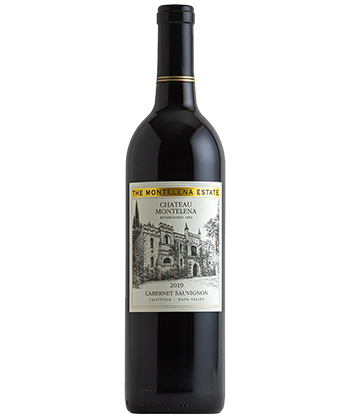
Located in the Calistoga AVA at the base of Mount St. Helena is Chateau Montelena, a winery established in 1882 by San Francisco businessman and California’s then-Senator Alfred Tubbs. The winery was a popular choice for oenophiles before Prohibition, though its modern prominence didn’t come about until 1972 when it was purchased by real estate attorney James Barrett. Four years later, one of Chateau Montelena’s wines beat its French counterparts at the 1976 Judgment of Paris. It might have been the winery’s Chardonnay that took home the gold, but Chateau Montelena’s Cabernet Sauvignon is equally impressive. The wine is composed entirely of fruit harvested from the Montelena Estate vineyard and is structured yet refined, with notes of blackberry, plum, and earth as well as strong tannins.
Mayacamas Vineyards
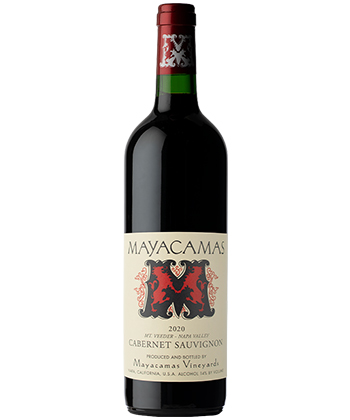
Now named for the mountain range it calls home, Mayacamas was established on Mount Veeder in 1889 by German immigrant John Henry Fisher. Originally called Fisher and Sons, the name changed to Mayacamas in 1941 with then-owners Jack and Mary Taylor, who were also the first to plant Cabernet Sauvignon vines on the property. The winery’s modern history started to take form in 1968 when Robert Travers purchased the estate. Eight years later, its 1971 Cabernet Sauvignon was sampled at the Judgment of Paris, cementing the winery’s place in Napa history. With vineyards located up to 2,400 feet above sea level, Mayacamas conducts some of the highest-altitude winemaking in Napa Valley, resulting in a unique, elegant expression of the grape. To preserve this trait, Mayacamas ferments in cement rather than new oak barrels, and allows its Cabernet to age in neutral oak, helping reduce over-extraction. The result is one of the best Cabernets we’ve tasted — the only wine VinePair has ever awarded a 99-point score.
Heitz Cellar
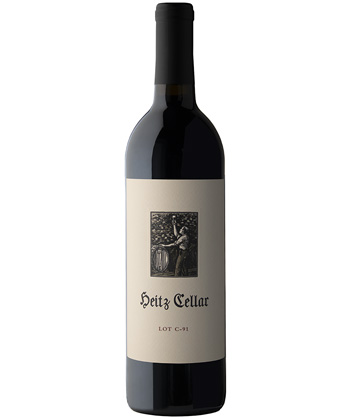
Single-vineyard bottlings are some of the most coveted wines from the Napa Valley today, perhaps responsible for the elevated price of bottles across the region. But before there was the legendary Screaming Eagle, there was Heitz Cellar and its storied Martha’s Vineyard Cabernet Sauvignon. Heitz Cellar was officially established in 1961 by Joe Heitz following his purchase of a small, eight-acre vineyard alongside Highway 29 in St. Helena, Calif. But the real revolutionary moment arrived in 1965. That year, Heitz acquired access to the prestigious Martha’s Vineyard plot in Oakville following a handshake deal with the vineyard’s owners and grapegrowers Tom and Martha May. The following year, Heitz used fruit from that plot to produce Martha’s Vineyard Cabernet Sauvignon, widely regarded as Napa Valley’s first single- vineyard-designated wine. Given the winery’s reputation and the small size of the Martha’s Vineyard plot, the Cabernet typically comes in at around $350, pushing it out of the “affordable” range. That said, the winery’s $85 Napa Valley Cabernet Sauvignon, made from grapes harvested from Heitz’s vineyards in Oakville, Rutherford, St. Helena, Howell Mountain, Oak Knoll District, and Calistoga, is an excellent entry point.
Duckhorn Vineyards
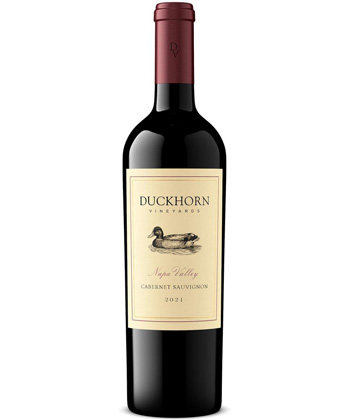
Founded in the mid-’70s by Dan and Margaret Duckhorn, Duckhorn Vineyards is one of the most readily available Napa wines in the country. The winery, one of the first 40 to open in the region, got its start in 1976 when the Duckhorns purchased their first 10-acre estate, Marlee’s Vineyard. Its inaugural vintage arrived two years later with the launch of Duckhorn’s flagship Merlot and, of course, Cabernet Sauvignon. While the Duckhorn Portfolio has since expanded to include other operations in Sonoma, Anderson Valley, and Washington (Decoy, Canvas Back, and Paraduxx, to name a few), the St. Helena AVA remains its home base. Today, Duckhorn produces both single-vineyard and AVA-wide Cabernet Sauvignons, with the latter priced at a welcoming average of $65 a bottle. The entire portfolio is currently owned by Butterfly Equity, a private equity group that scooped up the company in 2024 for a massive $1.95 billion sum.
Corison Winery

Corison Winery got its start in 1987 when winemaker Cathy Corison began sourcing Cabernet Sauvignon grapes from vineyards from Napa’s Rutherford and St. Helena AVAs. Eight years later, Corison and her husband William Martin purchased their first estate vineyard, the Kronos Vineyard in St. Helena, cementing a site for their winemaking operation. Though the brand now owns two vineyards, sourcing fruit has remained an important part of operations at Corison, especially for crafting its flagship Cabernet Sauvignon. All the fruit used to produce the varietal is harvested from three plots in St. Helena and Rutherford, resulting in a wine that skirts the line between powerful structure and elegant finesse. It’s a great representation of what Napa Valley offers, delivering sun-influenced qualities like ripe cherry and plum balanced with earthier, more vegetal notes of forest floor and green pepper.
Stag’s Leap Wine Cellars
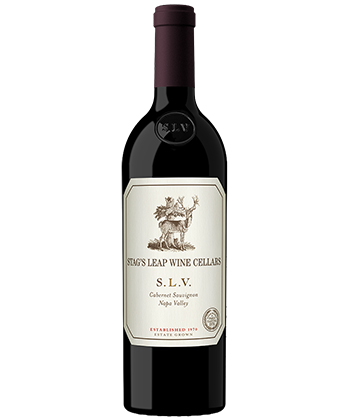
Stag’s Leap is one of the most famous producers in Napa Valley and helped launch the region (and American wine at large) onto the world stage when its Cabernet Sauvignon beat out bottles from top French producers at the 1976 Judgment of Paris. The winery was officially established in its namesake AVA in 1970 by winemaker Warren Winiarski with the purchase of the S.L.V. vineyard, which is home to 35 acres of Cabernet Sauvignon and a minuscule portion (1.5 acres) of Cabernet Franc. This very vineyard bore the grapes used to produce the winery’s award-winning Cabernet Sauvignon, which it continues to make today. In addition to S.L.V. Cabernet Sauvignon, Stag’s Leap also crafts single-origin bottlings from the Fay and Artemis vineyards as well as blends from various sites around Napa Valley.
Sullivan Rutherford Estate
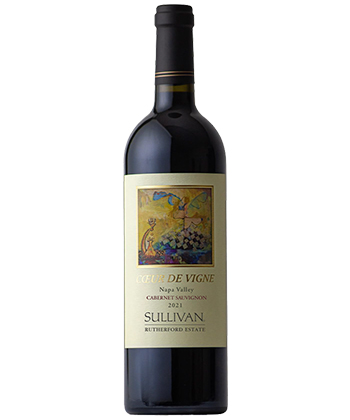
It wouldn’t be possible to discuss Sullivan Rutherford Estate without mentioning the geopolitical history of the Napa Valley. When the land was handed over from Spain to Mexico in 1821, the valley was split into two distinct parcels based on land grants, Rancho Carne Humana to the north and Rancho Caymus to the south. Sullivan Rutherford Estate, which was established in 1972 by Jim Sullivan, rests right atop this dividing line, allowing the winery to benefit from the Rutherford AVA’s signature “Rutherford Dust” terroir. Characterized by its dusty, earthy, and almost cocoa-powder qualities, the phenomenon comes from the unique blend of gravel, sand, and loam soils that Sullivan Rutherford Estate has been taking full advantage of from the outset. The winery’s Estate Cabernet Sauvignon as well as its Founder’s Reserve are often cited as prototypical examples of the Rutherford Dust quality.
Silver Oak
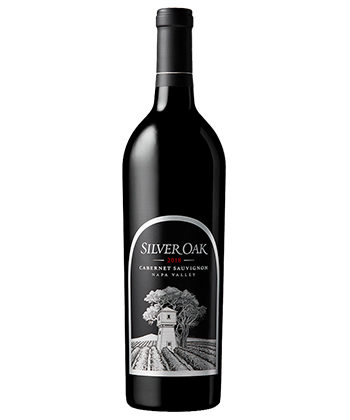
While many Napa wineries produce varieties like Chardonnay, Merlot, and Syrah in addition to Cabernet Sauvignon, the Silver Oak label has remained focused on Cabernet since it was founded. (The Silver Oak team also produces Sauvignon Blanc and Pinot Noir under the Twomey label.) The winery was established in 1972 by Rayn Duncan and Justin Meyer with one goal: Find the best way to age Cabernet Sauvignon in 100 percent pure American oak. Aging in American oak was a pioneering choice — in the ’70s, most Napa Cabernets were aged in either French oak or a combination of French and American — and it resulted in a new type of Napa wine. From the start, Silver Oak Cabs have been intentionally crafted to be consumed immediately on release, a departure from most of the region’s new-release Cabernets that often require a few more years of age. And it’s all in the oak. The barrel type imparts strong vanilla and leather notes with bursts of wild berry, cedar, and tobacco leaf.
Dunn Vineyards
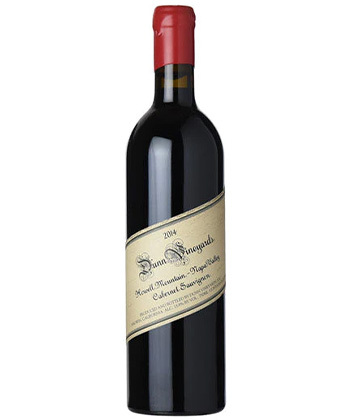
Dunn Vineyards is a legendary winery established in 1978 by Lori and Randy Dunn, who purchased a 14-acre plot in the Howell Mountain area before it was an AVA. At the time, Randy also served as Caymus’s winemaker and even launched Caymus’s Special Selection bottling, which catapulted the brand into relevancy nationwide. The label’s inaugural vintage made its debut the next year, followed by the1979 Dunn Vineyards Howell Mountain Cabernet Sauvignon. In 1982, Dunn Vineyards came out with another Cabernet, its Napa Valley Cabernet, which is made with grapes from both of its lower-elevation areas in Napa Valley’s Howell Mountain. Since the beginning, Howell Mountain terroir has been of the utmost importance to Dunn Vineyards, hence why Randy Dunn played an instrumental role in the region gaining official recognition as an AVA in 1983.
