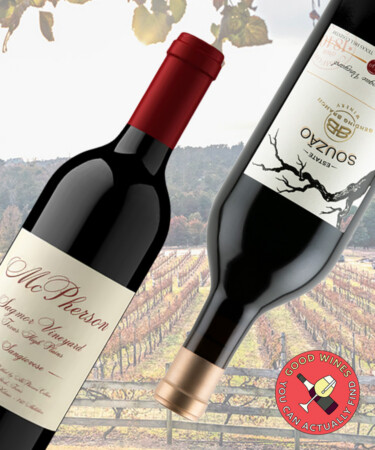
When it comes to Texas wine, just about everything is being grown in the United States’ second-largest state. Chardonnay? Check. Sangiovese? Yup. Cabernet Sauvignon, Syrah, and Pinot Noir? It’s got them.
Indeed, Texas is still a great big wine incubator, with some wineries offering dozens of bottlings aimed at appealing to the broadest cross-section of wine drinkers. But this grow-everything-for-everybody approach may not get to the heart of Texas winemaking nor put it more prominently on the wine map.
Among serious wine enthusiasts (and those with healthy wine-buying budgets), the state is becoming better known for its emphasis, in part, on warm-climate grape varieties, which makes sense when you consider that Texas is a hot winegrowing region that has had to deal with climate challenges even before climate change became a major issue.
It’s no surprise, then, that red Mediterranean varieties — Tempranillo, Sangiovese, Aglianico, Mourvèdre, and Grenache, among others — have found a welcoming home in Texas. After tasting these wines over the years, I’ve come to believe that some of them will, in fact, help Texas gain greater recognition.
That recognition is already happening. The Texas Hill Country AVA, the biggest in the state — and third largest in the U.S.— is celebrating the four gold medals its wines won recently at a major global wine competition. The wines were made with Tannat, Tempranillo, Petit Verdot, and Souzão, a heat-tolerant Portuguese variety. Not a Cabernet nor Merlot in the bunch.
David Kuhlken, the co-founder and winemaker at Pedernales Cellars in the Texas High Plains, says the winery was launched 20 years ago with a goal of being a high-quality producer in Texas.
“I think Texas can put itself on the map as a place that you should seriously consider when you want to have Tempranillos, when you want to have Rhône varieties,” he says. But he adds that the costs of managing and mitigating climate and farming challenges and erratic production in Texas are not conducive to producing high-quality, lower-priced wines.
On the other hand, he says, Texas “is decently suited, in a perverse way,” for premium wines. “If you’re going to actually shoot for making a $40, $50 wine, then, if you make the investments, you focus on low-yield production, the right varieties, and you put the work into high-quality production, you can make that work.”
Indeed, Texas is making its mark by putting its own stamp on those less familiar varieties that seem well suited to its hot, dry conditions. Bending Branch Winery, for example, was the first in Texas to plant Souzão and produces a fantastic wine that I’ve listed below.
Although Texas is the fifth-largest wine-producing state (behind California, Washington, Oregon, and New York), knowledge of and appreciation for Texas wines ranges from ignorance to high praise. “When people hear ‘Texas wine,’ there’s every reaction possible that you could think of,” says Claire Richardson, the winemaker at Uplift Vineyard, a small-production property in Texas Hill Country owned by the William Chris Wine Company.
Uplift is named for the Llano Uplift, a large, ancient granite formation on which the vineyard lies and that differs from the prevailing limestone soils of the region. It’s a unique Texas terroir, not far from the Colorado River and two lakes, in which Richardson grows 13 different Italian and Bordeaux varieties.
Richardson is among those who believe there need to be more sub-appellations within Texas Hill Country to bring greater focus to the particular terroirs of the region, and the proposed Llano Uplift AVA is among several under consideration by the federal Alcohol and Tobacco Tax and Trade Bureau.
Though Uplift has 55 acres of vines, it produces only about 2,500 cases of wine a year. But Uplift may be a microcosm for the kinds of high-end Texas wines winning praise. “It’s not the $18 Chardonnay,” Richardson says. “People are after these interesting and intentional projects that they can chew on and get to know and understand.”
She notes that a lot of people liken Texas to the Napa Valley in the 1970s or ’80s. Though the regions are far different, and it’s unlikely Texas will achieve the stature or scale of Napa, Richardson is excited by the prospects for wine in her state. “There’s so much energy and there’s so much momentum and there’s so much opportunity here,” she says.
Here are eight of the best red wines from Texas:
Pedernales Cellars Tempranillo Reserve 2022
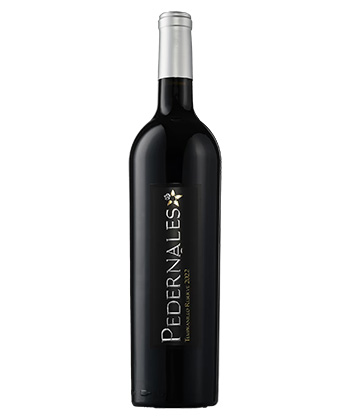
This stunning example of the Spanish variety from the Texas Hill Country is one of my favorite Texas wines, and the ’22 vintage is the best I’ve tasted. Deep blackberry and blueberry aromas and flavors are accented by touches of cedar, baking spices, and vanilla. The tannins are smooth and the oak influence — after 18 months in French and American oak barrels, just 25 percent of them new — is just right. The wine — three-quarters of it Tempranillo along with Graciano, Mourvèdre, and Touriga Nacional — weighs in at a moderate 13.2 percent ABV.
Price: $55
Buy This Wine
Duchman Family Winery Aglianico Oswald Vineyard 2019
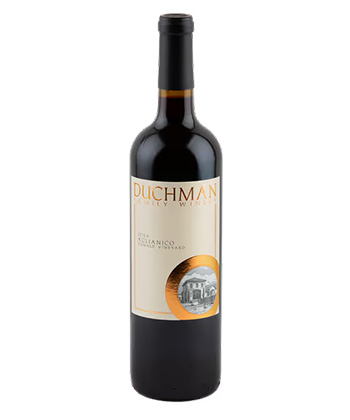
A Texas High Plains expression of the Aglianico variety from southern Italy’s Campania and Basilicata regions, this wine comes alive with a slight chill, revealing ripe strawberry, raspberry, and blueberry aromas and flavors, thyme, oregano, and floral touches, and a hint of coffee. Well balanced with mild tannins.
Price: $45
Buy This Wine
McPherson Cellars Sangiovese Reserve 2021
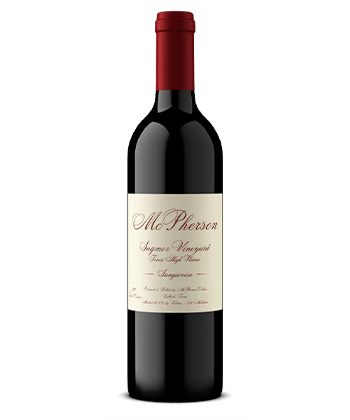
McPherson is a pioneering Texas High Plains winery that offers a large range of bottlings, including this standout Sangiovese. It primarily shows red fruit notes, including pomegranate and raspberry, with touches of vanilla, herbs, and spice. There’s also a notable umami note — dried porcini, perhaps — that makes it all the more interesting. Ample acidity gives it a nice lift. There’s not much here that calls to mind Tuscan Sangioveses, but it’s interesting in its own right.
Price: $44
Buy This Wine
Jaclynn Renée Syrah 2024
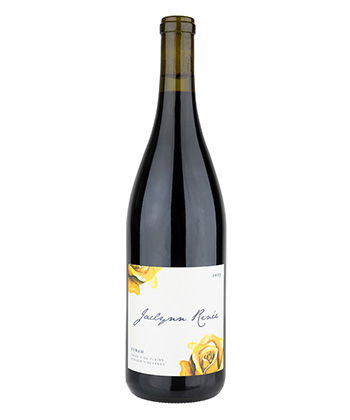
From the Texas High Plains, juicy, concentrated dark fruit aromas and flavors suggest cassis and black cherry along with hints of balsamic, espresso, unsweetened cocoa, and a touch of cedar. It’s all framed by bright balancing acidity and silky tannins.
Price: $58
Buy This Wine
Llano Estacado Le Claret Classique Red Blend 2021
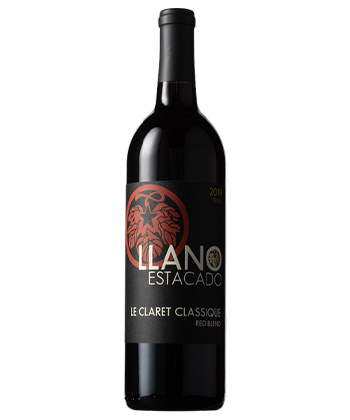
As the name suggests, this is a classic Bordeaux blend from the Texas High Plains — 52 percent Cabernet Sauvignon, 24 percent Cabernet Franc, and 24 percent Merlot. Still young, it displays chalky tannins and a good deal of acidity, which make it a perfect pairing for a pan-seared steak. With notes of red and dark berries, a slight leafiness, and hints of cumin seed, coffee, and dark chocolate, it will continue to evolve for a couple of years or so. The wine was aged for 14 months in used and new French oak barrels.
Price: $50
Buy This Wine
Bending Branch Cabernet Sauvignon Newsom Vineyards 2019
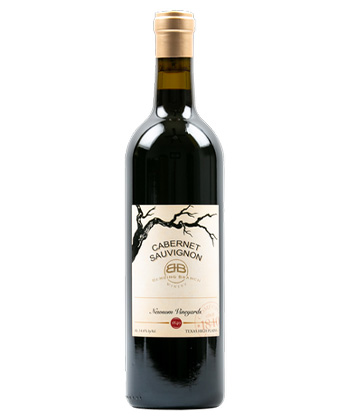
This wine from the Texas High Plains is reminiscent of a leaner Napa or Sonoma Cab, with refreshing acidity, well-integrated oak, and moderate alcohol — the ABV is listed at 13.4 percent. Dark fruit aromas lead to fresh blueberry and plum flavors along with a floral accent.
Price: $55
Buy This Wine
Bending Branch Estate Souzão Lost Pirogue Vineyard 2020
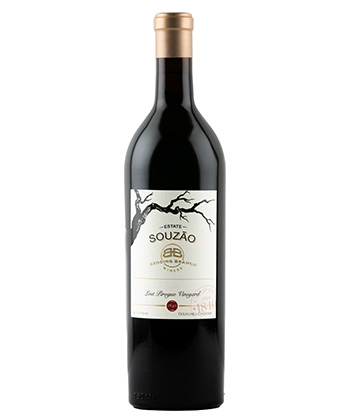
Like Saperavi from the country of Georgia, Souzão is one of the few teinturier grapes, meaning it produces dark flesh as well as skins, whereas most familiar red grapes have white pulp and derive their color from the skins only. The result in Bending Branch’s Souzão is an inky-dark wine that’s one of the more unusual Texas reds. Souzão is used to make port, and there’s a touch of the grapey quality here that you find in the fortified wine. Its concentrated blackberry flavor is supported by ample acidity and accented by touches of powdered cinnamon, flint, and espresso. It was a perfect pairing with grilled pork chops seasoned with spicy powdered adjika.
Price: $75
Buy This Wine
Uplift Vineyard Badu 2023
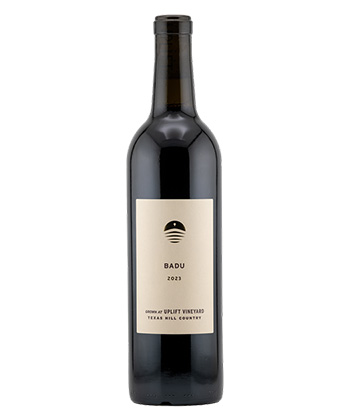
This impressive wine from Texas Hill Country (with a high-end price tag), is a blend of 40 percent Aglianico, 38 percent Sangiovese, 10 percent Montepulciano, and 12 percent Merlot. With its ripe red and dark berry aromas and flavors, mainly raspberry and blueberry, the wine is framed by bright acidity and moderate tannins. A layer of oak and touches of baking spices and coffee grounds provide good complexity.
Price: $125
Buy This Wine
Next up: Sancerre and other Loire Valley Sauvignon Blancs
