These days, it probably feels like wine gets more and more expensive with each trip to the bottle shop. As the effects of tariffs settle in and prices rise across the board, finding an affordable bottle can feel more challenging than ever. But desperate times don’t have to call for desperate measures. Underrated regions and winemakers can offer great bottles at a low price, and trying something that flies under the radar might result in finding a new favorite.
No one knows where to find the best value better than the pros, so we asked 16 sommeliers to share the bottles they reach for when they’re on a budget. From regions that offer the best bang for your buck to specific cuvées crafted by emerging producers, and everything in between: Here’s what to look for the next time you’re hunting for a bargain.
The best bargain wines, according to the pros:
- Broadbent Vinho Verde
- Wines from Muscadet
- Lambrusco
- Wines from Emilia-Romagna
- Wines from Styria, Austria
- Portes Obertes Petricor
- Domaine Bobinet Poil de Lievre
- Domaine Lattard Syrah
- Cirelli Montepulciano d’Abruzzo
- Raul Perez Ultreia Saint-Jacques
- Wines from Vinho Verde
- Wines from Judith Beck
- Hewitson Gun Metal Riesling
- Cherrier Frères Menetou-Salon Blanc
- Wines from Succés Vinícola
- Pedralonga Terra de Godos
- Wines from Sierra de Toloño
- Dominio de Eguren Protocolo Tempranillo
- Wines from Simon Busser
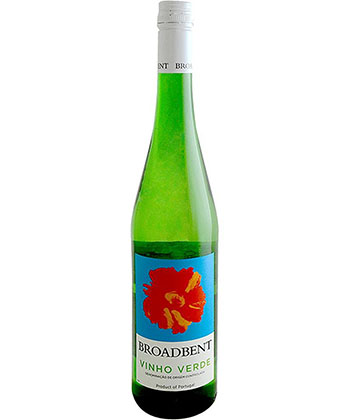
“My go-to bargain wine for years has been Broadbent Vinho Verde. Really, any Vinho Verde will probably get the job done. Rarely do the wines exceed $15 per bottle on the grocery store shelves, and they usually keep a couple bottles chilled as well so you can just grab and go! It’s super bright and tremendously food- friendly, making it a great wine to pair with a lot of different cuisines.” —Gabriel Corbett, assistant general manager, JÔNT, Washington, D.C.
“I always reach for Muscadet. It’s widely available, consistently delicious, and still one of wine’s great bargains. Made from 100 percent Melon de Bourgogne, these wines are typically aged sur lie (often in stainless steel or concrete), giving them bright orchard fruit character, a rocky, granite-saline edge, and a subtle savory texture that can age beautifully. Bottles from Domaine de la Pépière are reliably excellent under $20, while Luneau-Papin offers more serious, cellar-worthy expressions. Pair Muscadet with seafood: oysters, clams, crab, etc. or fresh cheeses and it really shines. If you feel like spending a touch more, get wines from the subregion Clisson, which spend two or more years on the lees and can sometimes rival great Chablis at a fraction of the price. Lots to explore here.” —Austin Bridges, wine director, Nostrana, Portland, Ore.
“I’ve always banged the table for Lambrusco when it comes to budget bottles that don’t disappoint. On the dollar-for-dollar intrigue and deliciousness index, Emilia-Romagna always scores high marks for me. So many amazing producers are making super-lively, low-intervention wines here. Denavolo, Distina, and Terrevive are a few of my favorites, all of which you should be able to snag a bottle of for $20 to $30 retail. Lambrusco is the Emilian gateway drug, but the non-Lambrusco varieties slap just as hard. Try the whites, try the still reds, try something macerated if you can get your hands on it.” —Matthew Green, owner, Substrate, Charlotte, N.C.
“A part of the world I don’t think gets the shine it deserves would be Styria, Austria. Styria is warmer than the more well-known Austrian regions further north, so its wines showcase riper, even tropical fruit alongside a vibrant energy. Styrians make excellent wines from international grapes like Chardonnay (which they call Morillon) as well as Sauvignon Blancs that showcase a different side of the grape than Sancerre, but where they’re really showing the distinctiveness of their terroir is through native varieties like Welschriesling. Weingut Tement is an excellent introduction to the region, but don’t be afraid to seek out more experimental properties such as Maria and Sepp Muster or Weingut Werlitsch.” —Eitan Spivak, beverage manager, Kabawa, New York City
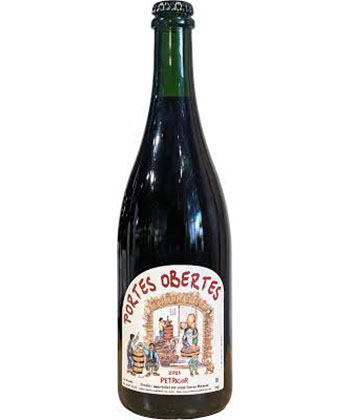
“My go-to bargain wine is Portes Obertes Petricor, a Garnatxa farmed from the Escollades vineyard in Pinell del Brai, Catalunya. Wines like this remind me of being human; imperfect, every wrinkle and unflattering ill proportion an ultimately meaningless part of a much more beautiful and singular whole. It is picked impossibly ripe, a choice prioritized over every other aspect, to make sure the truest expression of place is front and center. As such, it’s a contrast of intense Mediterranean red wine: dark like a bruise, bitter cherries growing in a patch of marjoram, and gentle encouraging acidity. All of this happens for less than $25 every year, and every year the wine ends up being different depending on what the weather gives.” —Zachary Jarrett, co-owner, Café Triste, Los Angeles
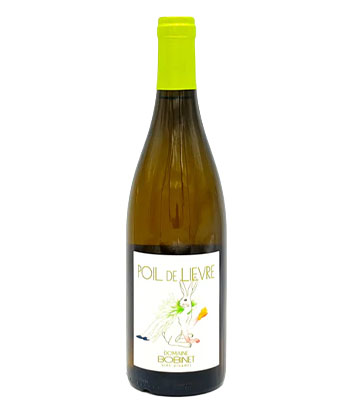
“Poil de Lievre from Sébastien Bobinet and Émeline Calvez is our absolute fav! 100 percent biodynamically harvested Chenin Blanc from young vines in Saumur. We first fell in love with these wines at the Baron Rouge in Paris. True Parisian bistro wine — subtle complexity with texture and balance makes this wine so drinkable and, for the price, an absolute go-to!” —David Wilson and Zoe Clifton, owners, BabySips, NYC
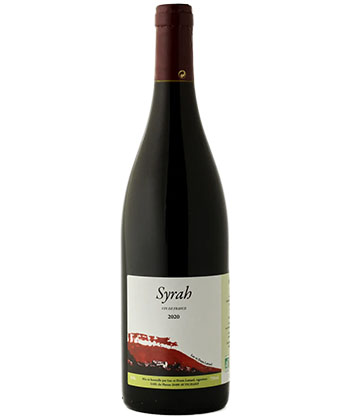
“My go-to bargain wine this winter has been the Syrah from Domaine Lattard, but their Gamay, Roussanne, and Viognier are also favorites. Domaine Lattard is in the Ardèche where we get the drive and perfume of the Northern Rhône without the high prices or pretense. The Syrah is fresh, balanced, and completely unpretentious. Real wine with nothing added or taken away.” —Alex Leopold, owner, Bar Renée, Burlington, Vt.
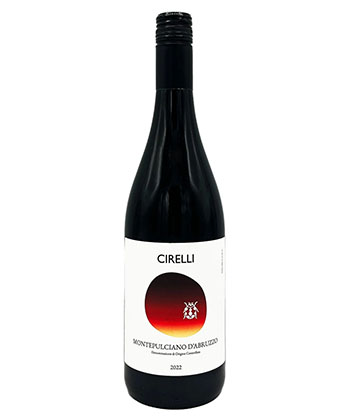
“Cirelli Montepulciano d’Abruzzo is a consistently delicious, low-intervention Montepulciano that — in my opinion — wildly overdelivers for the price. Francesco Cirelli farms organically in Abruzzo and the resulting wine is a crowd-pleasing bottle I reach for and recommend often because it feels far more thoughtful than its price would suggest. For me, it has some juicy dark berries, subtle earthiness and herbs, and just enough balanced acidity and structure to make it incredibly versatile for food pairings whether you’re pairing it with pizza, pasta, or grilled meats.” —Jodie Battles, beverage director and managing partner, Coppa and JK Food Group, Boston
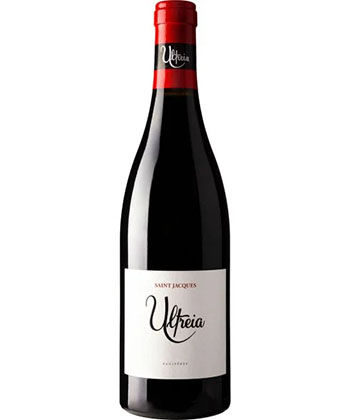
“For a bargain wine that makes almost everybody happy, I like Raul Perez’s Ultreia Saint-Jacques. It’s a Mencía from Bierzo in Spain, and while Mencía can have a rustic and gamey profile, this one has enough bright fruitiness up front to be an immediately gratifying and accessible sipper. It has some weight to it but still enough acidity that it doesn’t feel heavy, and there are enough floral and earthy notes to give this wine a complexity that is well beyond what you’d expect at this price. You can find it retail in the low-$20 range and it’s well worth it. Also, if you like it, it can be a gateway to some of Raul Perez’s more concentrated wines which are absolutely incredible.” —Harry Jamison, general manager, a.kitchen+bar, Philadelphia
“It is absolutely a Vinho Verde! I absolutely love the region and just spent some time there with my husband. Vinho Verde wines have always been a favorite for their crisp crushability in the summer heat. While these wines are slept on, they are still rather cheap and are one of our favorite surprises to bring to a dinner party. While some consider it to be table wine, we truly love this juice.” —Caroline Strauss, owner, Magie, Miami
“I would say Judith Beck’s wines come to mind. They’re always fresh and elegant and most times under $25. I’m always happy to drink those wines.” —Spenser Payne, owner, Neighborhood Wines, Boston
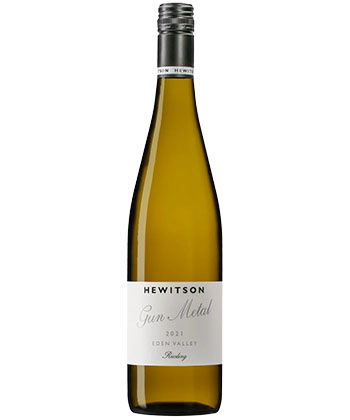
“I’d love to choose Hewitson’s Gun Metal Riesling from the Eden Valley. It’s a beautifully linear wine — flinty and crisp, steely and fresh, with lasting notes of lemon and chalk. Made from a single vineyard from an exciting and sustainable producer, the great price tag ($20) reflects that the Eden Valley remains an underrated gem in the world of Riesling.” —James Burge, sommelier and operations manager, Gramercy Tavern, NYC
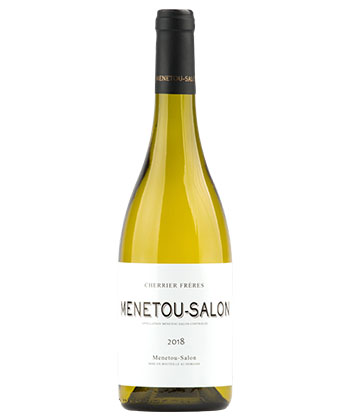
“When I’m looking for a reliable bottle that always overdelivers, Cherrier Frères Menetou-Salon Blanc is my quiet go-to. Made from Sauvignon Blanc grown on limestone-rich soils just west of Sancerre, it offers crisp citrus, subtle herbal notes, and a clean mineral edge that feels both classic and refreshing. It’s consistently well priced, endlessly food-friendly, and one of those wines that makes you look very smart without trying too hard.” —Todd Getzelman, owner and sommelier, Revel, Tucson, Ariz.
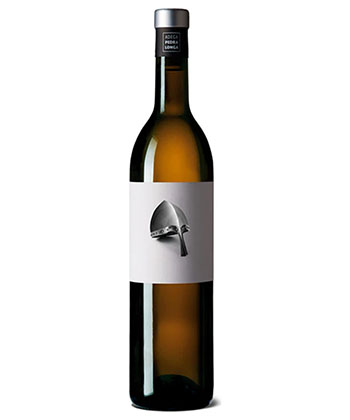
“So many great values in Spanish wines. Mariona and Albert of Succés Vinícola in Catalunya make cheerful light red and maceration wines from local Trepat and Parellada grapes that strike the perfect balance between fruit and earth. And the prices have barely changed in a decade! Pedralonga in Galicia produces family-made Albariño (plus tiny amounts of Caiños blanco and tinto) that will transport you to the seashore. Seek out their Terra de Godos cuvée for the best bang for your buck. Lastly, Sandra Bravo of Sierra de Toloño makes ‘grower’ Rioja in the mountains that is herbal, stony, and food friendly.” —Scott Baker, beverage director, Xuntos, Santa Monica, Calif.
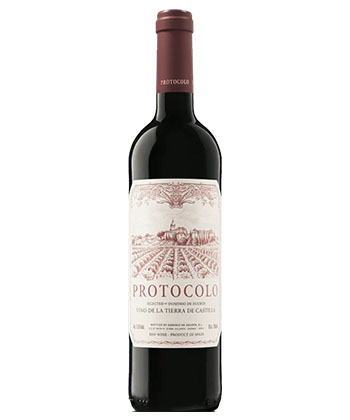
“Dominio de Eguren’s Protocolo Tempranillo from Spain is 100 percent Tempranillo from declassified vineyards in and around the Rioja region. It delivers all of the beauty and elegance of Rioja at a fraction of the price. We use Protocolo as our happy-hour red wine for both The Falls and The Liberty Tavern.” —Sean Lowder, director of operations, The Liberty Tavern, Arlington, Va.
“We really love the wines of Simon Busser, a resolutely old-school vigneron in Cahors. The wines possess heaps of soul and verve at weeknight-bottle prices, which is a feat when farming organically, harvesting by hand, and eschewing all additives in the cellar.” —Matt Bowman, partner and manager, LoLo, Austin
