If you’re a drinks enthusiast, you more than likely have a bottle on your bar cart that’s done nothing but occupy space. There are many ways it could have gotten there: Maybe it was a gift or an impulse buy because you thought the label looked cool. Perhaps a friend brought it over and left it behind, leaving you to wonder if their act of seeming forgetfulness was deliberate. The origin story ultimately doesn’t matter. The bottle was just there, untouched after one or two tries because it wasn’t your thing.
Bartenders deal with this same situation, with one key difference. Instead of a humble at-home bar cart, that bottle they’re not into is on their back bar. Its presence could potentially be at the expense of a bottle or brand they’d rather have on display and to share with curious guests. Ideally, they’d be able to make these bottles permanently vanish into the ether, if only to make room for something they deem to be better.
Which bottles would bartenders love to see go for good? We asked nine of them to find out. Don’t be offended if a favorite of yours made the cut. While it may not be right for them, it could be perfect for you.
The bottles that should disappear forever, according to bartenders:
- Artificially flavored liqueurs
- ‘Gold’ tequila
- Suze
- Dekuyper liqueurs
- Arrow Schnapps
- Flavored whiskey
- Celebrity-backed whiskey
- Crème de Violette
- Store-bought syrup and juices
- Lillet Blanc
- Malört
“Ideally, we should limit, or even eliminate, ingredients that are overly processed, overly sweet, or artificially flavored. Thanks to the evolution of our industry, high-quality alternatives exist today in every category, including purees and syrups, so we no longer have to rely on artificial solutions.” —Luca Manni, F&B manager, Giacosa 1815, Florence
“Any ‘gold’ tequila spirit. As consumers become more knowledgeable about their favorite spirits, distilleries have become more transparent about what goes into their products. For tequila to be ‘gold,’ it only requires 51 percent of the mixture to be made from agave; the other 49 percent could be anything from sugar cane spirit, caramel coloring, or, hopefully, a different agave spirit. So, when searching for a nice tequila for your home bar, always look for blanco, añejo, or reposado and avoid the gold stuff.” —Jason Cowdrey, lead bartender, Tin Lizzie Lounge, Seattle
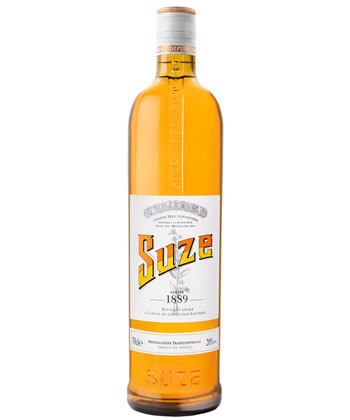
“I don’t think we need Suze. It tastes like an ashtray to me and there are better bitter options out there if you’re making a White Negroni.” —Robert Hernandez, president, US Bartenders Guild SoCal, Los Angeles
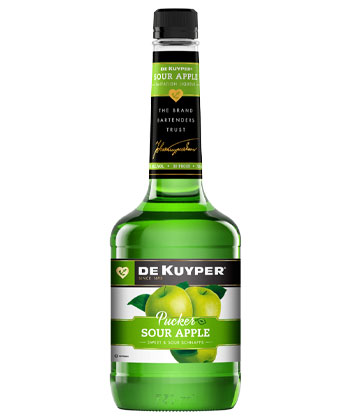
“We’ve got to talk about keeping Dekuyper and Arrow Schnapps on the back bar. They simply don’t belong there. When I walk in a bar and see a row of them on the back bar, I’m immediately apprehensive about ordering any cocktail. Sure, we’ve all probably reached for a bottle or two when we’re stumped on a flavor or need to cut pour costs on a drink in our careers, but we don’t need to flaunt it! If you really must keep some of those on hand, keep ‘em in the rail or in the prep kitchen for batching.” —Bo Counts, owner, Pinpoint, Fayetteville, Ark.
“Flavored and celebrity-backed whiskeys that rely more on hype than quality could make way for more compelling bottles. These releases often overshadow the craft of true bourbon and rye, where the nuance comes from time, patience, and skilled hands instead of marketing. By focusing on generational brands with real legacy, bars can highlight whiskeys shaped by decades of experience and family traditions. Many of these distilleries carry stories that span more than a century, and their bottles reflect that depth. Showcasing producers with genuine history allows back bars to offer spirits that educate, engage, and honor the roots of American whiskey.” —Will Murphy, general manager, The Falls, Falls Church, Va.
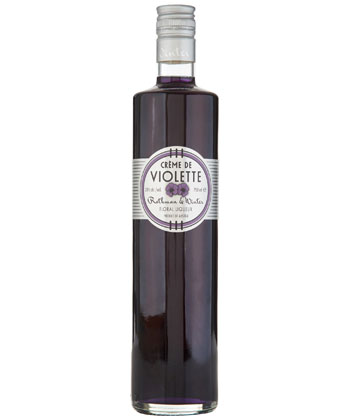
“For me, the bottle that needs to disappear from bars and bar carts forever is crème de violette. It serves no purpose! There’s no good classic cocktails to use it in, and anyone that says they like an Aviation is lying.” —Adam Montgomerie, general manager, Equal Parts, London
“Store-bought syrups and juices. I liken a good bartender to a good cook — home or professional — in the sense that they should understand what to buy and what to make themselves. It drives me crazy seeing something like Rose’s Lime Juice or Finest Call Simple Syrup in a well or on a bar cart when it is just so darn easy to do it yourself. Tip for those at home: You can make both super juice and syrups in the blender!” —Max O’Laughlin, bartender, Bar Boheme, Las Vegas
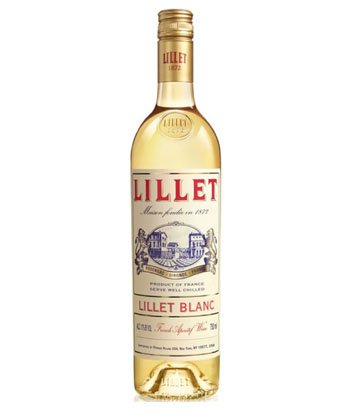
“Lillet Blanc. I’m not saying this is a bad product; that’s certainly not the case. I’d argue, however, Lillet needs to be removed to protect the sanctity of the Vesper Martini. Originally, yes, Lillet was the aromatized wine component of this drink, but that was back when Lillet was still considered a quinquina. The recipe has since changed, removing a substantial amount of the key ingredient, cinchona bark, leaving this new reformulation as an aperitif wine. My plea to all the Vesper Martini drinkers out there is to find a good quality blanc or gold quinquina like Cap Corse or Kina L’Aero d’Or to use instead. You’ll be pleasantly surprised by the difference this simple switch makes.” —Mark Mentzel, cocktail and bar manager, Atlas Restaurant Group, Baltimore
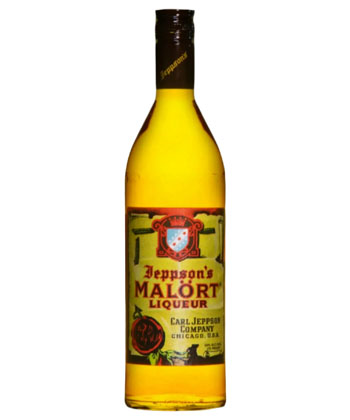
“Malört. No more words necessary.” —Wes Meyn, bartender, Thunderbolt, L.A.
