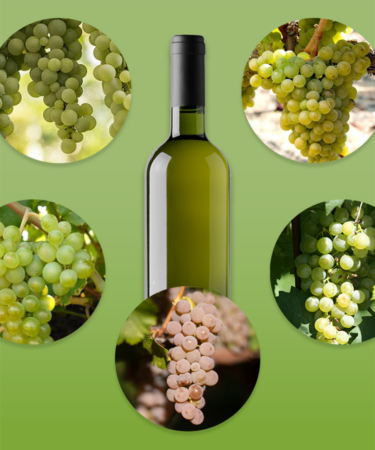
When it comes to crisp, refreshing, white wine, few grapes amass as devoted a following as Sauvignon Blanc. Depending on where it’s grown, the grape can deliver everything from tart green apple and freshly cut grass to riper notes of passion fruit and guava, all backed by the craveable, mouthwatering acidity enthusiasts love. Add in its generally approachable price point, wide availability, and enough cultural weight to inspire a campaign for a white wine emoji, and it’s clear why Savvy B dominates wine lists everywhere.
Part of that flexibility comes from where and how it’s grown: Leaner Loire Valley wines tend to emphasize freshness and green herbal notes, while Marlborough expressions pack a punch with louder aromatics and fruit-forward flavors. Although France and New Zealand may anchor the global Sauvignon Blanc conversation, producers from Chile, South Africa, and coastal California continue pushing the grape into entirely different stylistic territory. As Houston-based Master Sommelier June Rodil puts it, wines from different places are “simply not showing up to the party in the same outfit.”
There’s a whole world of white grapes capable of scratching the same itch as Sauvignon Blanc, whether it’s the signature citrus flavor or green snap you’re after. These seven varieties offer a natural next step for Sauvignon Blanc fans looking to branch out without abandoning the lively, easy-drinking qualities they know and love. Here are some grapes you should try if you’re a fan of Sauvignon Blanc.
Sauvignon Gris
Despite the similar name, Sauvignon Gris is not the same grape as Sauvignon Blanc, though the two are closely related. Sauvignon Gris is considered a pink-skinned mutation of Sauvignon Blanc, and both grapes share roots in Bordeaux and are known for their acidity and citrus-driven aromatics. Sauvignon Gris typically trades some of Savvy B’s grassy edge for a slightly softer texture and riper notes of stone fruit. While it remains a relatively minor player on its own in France, Chile is one of the grape’s most exciting, modern homes, producing old-vine expressions like Casa Silva Sauvignon Gris that make a strong case for the grape as a standalone varietal.
Grüner Veltliner
For those who love Sauvignon Blanc’s herbaceousness, Grüner delivers a savory side-step with flavors of celery leaves, snap peas, white pepper, and citrus. Austria’s signature white grape is best known to grow in regions like Wachau and Kamptal, though its ability to thrive in cool and moderate climates has inspired more winemakers to experiment with the variety outside Europe. Tara Gomez and Mireia Taribó, co-founders and winemakers at Camins 2 Dreams in California’s Sta. Rita Hills, particularly love Grüner alongside green vegetables and spicy dishes where the wine’s acidity really shines.
Albariño
If any Sauvignon Blanc alternative belongs beside a seafood tower and waterfront view, it’s Albariño. Indigenous to Spain’s Rías Baixas region in Galicia, the grape has historically thrived in the area’s cool, maritime climate. Like Sauvignon Blanc, it offers bright acidity and aromatic intensity, though the wine swaps grassy notes for citrus, stone fruit, and floral aromas alongside a subtle salinity. While Spain remains its spiritual home, Portugal also champions the grape under the name Alvarinho, both in the Vinho Verde style and as a standalone variety. In recent years, producers from Oregon and California’s Central Coast have embraced the variety for its ability to retain its freshness in diverse climates.
Picpoul Blanc
Bright, zippy, and bone dry, Picpoul earns its old Occitan nickname “lip stinger” honestly. For those searching for the crispest bottle of Sauvignon Blanc on the menu, Picpoul provides a similar experience, with notes of lemon zest, sea spray, and green apple. The grape is most widely known in southern France’s Languedoc region, where it’s long been the traditional companion to Mediterranean oysters. Don’t stop there, though — Picpoul’s powerhouse acidity makes it the perfect companion to fried foods and tangy cheeses.
Vermentino
Italy enters the chat with this sun-kissed Mediterranean variety, grown primarily on the island of Sardinia. Kaye Askins of Best Little Wine & Books in Lockhart, Texas, often recommends Vermentino to guests who gravitate toward French Sauvignon Blanc. Askins loves how the grape, known for its acidity, saline minerality, and notes of citrus and wild herbs, reflects Sardinia’s chalky-clay soils and Mediterranean sea breezes. While Vermentino shares Sauvignon Blanc’s freshness and food-friendly versatility, its Mediterranean character tastes a bit like summering along the coast of Europe.
Verdeca
Long overshadowed by Puglia’s reds, Verdeca is an indigenous white grape grown in Southern Italy that’s worth a second look. Historically used in vermouth production and blends rather than bottled on its own, the variety has mostly flown under the radar. While less aromatic than Sauvignon Blanc, Verdeca offers many of the same qualities that make the grape so popular: It, too, has vibrant acidity, is easy to pair with food, and has a knack for thriving in warm climates. Bottles like Produttori di Manduria’s Alice Verdeca — named after the Italian word for anchovy — show why Puglia’s white wines deserve just as much attention as its reds.
Verdejo
Grab a seat at most any wine bar in Spain, and odds are Verdejo is at the top of the list. Considered an everyday drinking wine throughout much of the country, it’s made from grapes grown at high elevations across the Rueda region. Often compared to Sancerre, these juicy white wines offer exceptional value and present notes of white peach and fresh herbs as well as a slightly softer texture.
