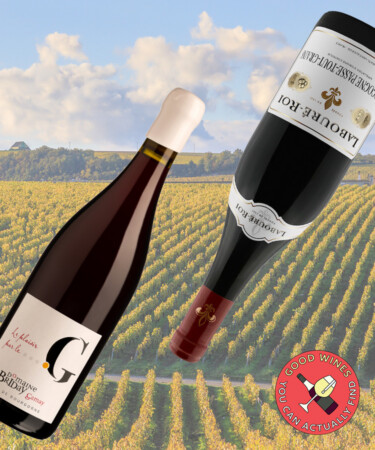
Just about every inch of Burgundy has been mapped, studied, and analyzed — then studied some more. Books have been written about individual appellations. Labels don’t just say “Meursault,” “Montrachet,” “Chablis,” or “Chambolle-Musigny,” to name just a few of the storied wines, but often list individual plots within the appellations: “Les Amoureuses,” “Clos de la Commaraine,” “Les Vallerots,” and so on.
They are wines with pedigree. Collectible, expensive — and out of reach for most of us.
And then there is Burgundy on the other end, and I don’t just mean your basic “Bourgogne” reds and whites, which, depending on the producer, can also be superb examples of Pinot Noir or Chardonnay.
I’m talking about two Burgundy appellations you might not have heard of — Bourgogne Passetoutgrains and Coteaux Bourguignons. They are the “other” red Burgundies, not just because they are more affordable than most of the region’s more famous wines, but because they are Burgundy with a twist — a twist of Gamay.
While the vast majority of red Burgundy is from the Pinot Noir grape — most appellations mandate it — Bourgogne Passetoutgrains and Coteaux Bourguignons are permitted to blend Pinot Noir with Gamay, the signature red grape of Beaujolais just to the south of Burgundy. (Some consider Beaujolais part of Burgundy, though I prefer to think of them as distinct regions.)
In Bourgogne Passetoutgrains wines, Pinot Noir must make up at least one-third of the final wine and the blending actually takes place right at the start of the process, when the grapes are fermented together.
Coteaux Bourguignons offers more flexibility; the red wines can be blends or single varieties, as is the case with one all-Gamay wine on the list below. The appellation also covers white wines that can be produced from Burgundy’s signature Chardonnay, Aligoté, or blends of the grapes.
While some of the reds I sampled evoked classic, mineral-driven Burgundies, others had a more Beaujolais vibe with their fruitiness and freshness. Since the wines can be from all over the map of Burgundy, the grapes are grown in a variety of soils, including limestone, clay, and granite.
Unlike the more famous Burgundy appellations, these wines are marked by their youthful freshness and are made for drinking within a few years of bottling. Most are in the $20 to $30 range, which makes them ideal for those looking for a taste of Burgundy at a more approachable price point.
Here are six of the best “other” red Burgundies:
Bitouzet-Prieur Bourgogne Passetoutgrains ‘Grange le Duc’ 2024
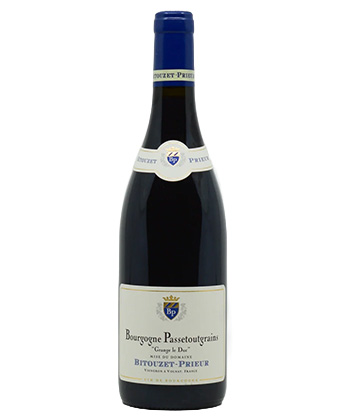
From a Volnay-based producer, I loved the steely minerality of this wine, which is young and will evolve for several years. Sour cherry, raspberry, violet, and earth aromas give way to dark fruit notes on the palate, along with hints of bread, braised meat, and black licorice. It opens up nicely as it breathes. The blend is two-thirds Pinot Noir and one-third Gamay.
Price: $32
Buy This Wine
Jean-Marc Millot Bourgogne Passetoutgrains ‘Les Autrots’ 2023
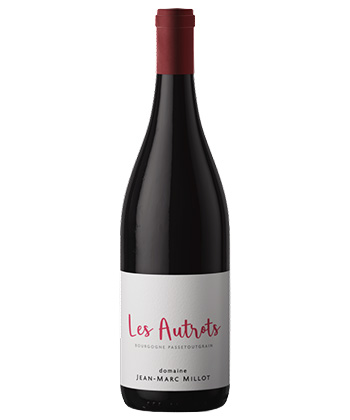
Millot produces a wide range of wines in the Côte de Nuits, from Grand Cru examples like Clos de Vougeot to this Bourgogne Passetoutgrains, a blend of 70 percent Pinot Noir and 30 percent Gamay grown across the street from Clos de Vougeot. Cherry and smoke aromas are joined by blueberry and raspberry notes on the palate, along with hints of meat and cinnamon. Lightly mineral, it’s easy to drink and an excellent value.
Price: $26
Buy This Wine
Domaine de L’Évêché Coteaux Bourguignons 2024
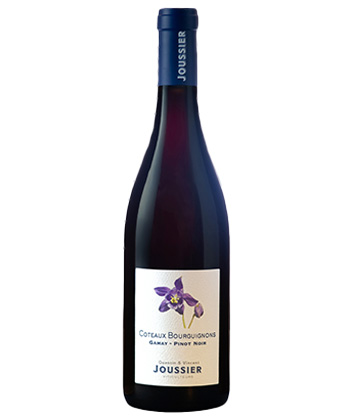
The Gamay grape loves granite soil, and Quentin and Vincent Joussier grow the variety in predominantly granite for this notable Gamay-dominant blend. The domaine is in southern Burgundy, near Mercurey, and produces Pinot Noirs under the Mercurey appellation as well. The Coteaux Bourguignons is dominated by spicy red fruit notes — sour cherry, cranberry, and red plum — with touches of flint, smoked meat, and baking spices. There’s quite a lot of acidity, which makes it an excellent food wine. (The ‘23 vintage is currently available.)
Price: $25
Buy This Wine
Marchand-Tawse Coteaux Bourguignons 2023
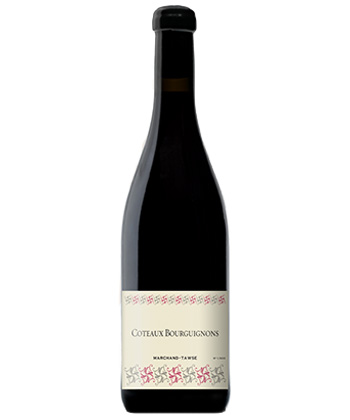
From a grower-négociant in Nuit-Saint-Georges, this Pinot Noir-Gamay blend bursts with red fruit notes — cherry, raspberry, and pomegranate — with touches of baking spices and powdered cocoa. The grapes are farmed biodynamically and the wine spends 11 months in French oak barrels. I thought I was drinking a cru Beaujolais. The owners, Pascal Marchand and Moray Tawse, are French Canadians.
Price: $26
Buy This Wine
Domaine Briday Coteaux Bourguignons Gamay 2023
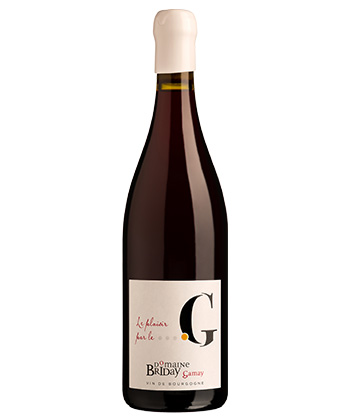
This wine is unusual in that it’s 100 percent Gamay, with the grapes coming from both the Côte Chalonnaise subregion of Burgundy and from Beaujolais just to the south of Burgundy. It’s both fruity and mineral-driven with ripe strawberry and blueberry notes and a hint of vanilla. Mildly tannic, it’s a first-rate wine for everyday drinking.
Price: $26
Buy This Wine
Labouré-Roi Bourgogne Passetoutgrains 2023
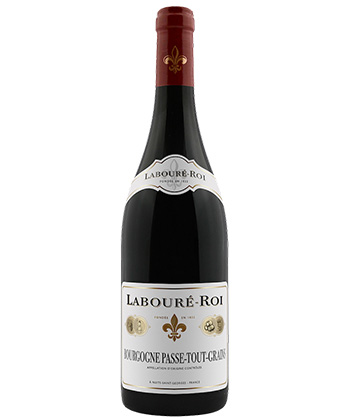
This classy bargain Burgundy, a blend of Pinot Noir and Gamay, comes from a well-known négociant in Nuits-Saint-Georges and shows black cherry, blueberry, and red licorice aromas and flavors. There’s a hint of milk chocolate and a refreshing acidic lift. Perfect for drinking now.
Price: $25
Buy This Wine
Next up: Wines from the country of Georgia
