Nearly dead in the 1990s, bourbon, in just some 20 years, has gone from a low-brow value spirit to a luxury dynamo, with the industry generating over $10 billion in revenue for Kentucky alone. Scotch, too, has capitalized on this generation’s “better drinking” trend, peaking at over 14 million cases exported per year and still adding well over $1 billion in value to the U.S. last year alone (despite tariff issues). While Japanese whisky has gone from a parochial obscurity to a worldwide phenomenon this century, the most coveted and, typically, priciest of any whisky you’ll see on the shelves.
Yet, as whiskey boomed in the 21st century, one major category of it still seemed stuck in the past. That would be Irish whiskey, the oldest of the major world whiskey regions and, perhaps for that very reason, the one that has been the slowest to change and adapt to the modern era.
Even today, most Americans still probably only know of one or two Irish whiskey brands — Jameson and Bushmills — and still treat them like nothing more than cheap pours at the pub. Irish whiskey has long been stereotyped as mellow and smooth; appealing to a certain sort of drinker, sure, but not the aggressive flavor profile that the modern American whiskey buyer now desires.
To many, Irish whiskey seems to be the one region refusing to innovate, refusing to do interesting finishes or cask strength releases or independent bottlings or to play around with single barrels. For those reasons and more, very few American whiskey connoisseurs (and certainly not taters) have cared to invest their time and money in the category.
But things have started to change quickly within the last decade. There are now around 50 Irish whiskey distilleries, with new ones arriving yearly. The classic distilleries have begun to capitalize on their vast stocks to release high-end age statements and more special releases within their portfolios. While newer crafter distilleries have arisen across the Emerald Isle, focusing on unique blending and maturation.
Here are 14 of the best Irish whiskeys at every price point for 2026.
Table of Contents
-
- Why You Should Trust VinePair
- How We Taste
- How We Compiled This List
- The Best All-Rounder Irish Whiskey
- The Best Irish Whiskey to Seek Out and Splurge On
- The Best Cask Strength Irish Whiskey
- The Best Irish Whiskey for Cocktails
- The Best of the Rest
- The Best Irish Whiskeys Under $50
- The Best Irish Whiskeys Over $50
- The Best Irish Whiskeys Over $100
- FAQs
Why You Should Trust VinePair
Each year, VinePair undertakes numerous tastings as part of our “Buy This Booze” product roundups, showcasing the finest bottles across the most sought-after wine and spirits categories. Through this process, our tasting and editorial teams sample thousands of bottles annually. This work allows us to stay at the forefront of industry trends, ensuring we recognize not just what’s new but also what remains at the pinnacle of quality and value.
VinePair’s ultimate goal is to serve as a trusted, authoritative resource for drinkers, offering insights that apply directly to everyday purchases and enjoyment. Learn more about our tastings and reviews department here.
How We Taste
We conduct tastings as our readers would: with full awareness of the producer and, crucially, the price of each product. As such, our tastings are not performed blind.
For this Irish whiskey roundup, all samples were poured in Glencairn glasses and given five minutes to breathe before tasting. We analyzed each whiskey’s aromas, flavors, texture, and finish, while appearance did not factor into the equation unless there was a notable flaw or irregularity.
How We Compiled This List
To compile a well-rounded selection of the best Irish whiskeys, VinePair invited producers, distributors, and PR representatives to submit bottles for consideration. These samples were provided at no cost — producers did not pay for inclusion, nor did VinePair purchase the products. All submissions were accepted with the clear understanding that participation did not guarantee inclusion in the final lineup.
For this year’s roundup, we assessed around 30 new submissions and revisited over a dozen previously reviewed expressions. Each whiskey was scored on a 100-point scale based on its aroma, flavor complexity, texture, and finish. From there, we curated an editorially driven list of the 14 best Irish whiskeys to buy right now. It’s important to note that this ranking is not simply a reflection of the highest-scoring bottles. Instead, our selection balances quality, price range, and suitability for different drinking occasions — because while price is undoubtedly objective, we believe affordability is not.
The Best All-Rounder Irish Whiskey
Teeling Small Batch
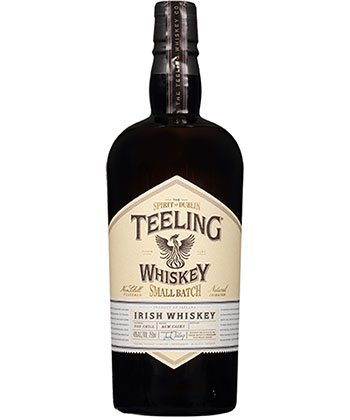
This highly acclaimed Dublin distillery has plenty of much-admired higher-end releases, but its most economical pour might actually be its best release — and makes for a stellar all-rounder Irish whiskey. For this supposedly “small batch” offering, a variety of grain and malt whiskeys are aged separately in ex-bourbon barrels before being blended together and finished in Central American rum casks. At first, it might seem a little one-note, high on the vanilla, caramel, and oak from the initial barrels, but dried fruit, tropical spices, and a certain rum-y sweetness appear on the finish. It’s ideal for bourbon fans who have yet to find an Irish whiskey they adore, but will also please Irish whiskey loyalists ready for something a little different from the Bushmills and Jamesons of the world. Drinkable neat or on ice, it’s also well-priced enough to use an entire bottle making cocktails on St. Patrick’s Day.
Average price: $35
Rating: 93
The Best Irish Whiskey to Seek Out and Splurge On
Midleton Very Rare Barry Crockett Legacy
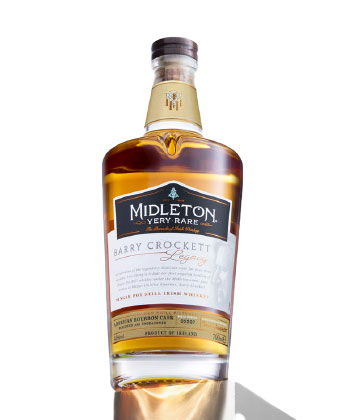
Named after Midleton’s master distiller emeritus, this annual top-shelf release is a selection of single pot still whiskeys made from malted and unmalted barley, triple-distilled in copper, and aged in ex-bourbon barrels and unseasoned American oak barrels. There is the overwhelming note of orchard fruit on the nose, pears and green apples, with hints of vanilla. The palate is more tropical and citrusy, with plenty of oak sugars and baking spices. The finish leans long and pleasing, with bites of cinnamon spice. The price may seem high for Irish whiskey, but you’ll rarely encounter something in the category this unique and this delicious.
Average price: $352
Rating: 95
The Best Cask Strength Irish Whiskey
High N’ Wicked ‘Saints & Scholars’ 19 Year Single Malt Irish Whiskey
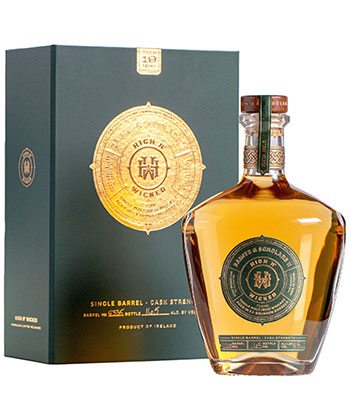
For whatever reason, there is just not a lot of cask strength Irish whiskey available these days. Thankfully, this specialty bottler isn’t afraid to get hot and heavy (perhaps because the company is run by Americans — who had once worked for Brown-Forman, no less). In fact, this will be the second year in a row High N’ Wicked has claimed our cask strength crown with one of its limited releases. Thirty barrels of single malt were distilled at Cooley Distillery by former master distiller Noel Sweeney back in 2002. Each year he picks a few of the best single barrels from that bunch to release. (Now that we think of it, there are not a lot of Irish whiskey single barrels out there, either!) Bottled at 55.5 percent, this is anything but hot. In fact, it is oddly delicate and nuanced, with notes of pineapple upside down cake on the nose, leading to a palate of more tropical fruits, mangos and bananas, backed by a malty, biscuity quality, and a milk chocolate finish that goes on for days.
Average price: $500
Rating: 95
The Best Irish Whiskey for Cocktails
Muff Irish Whiskey
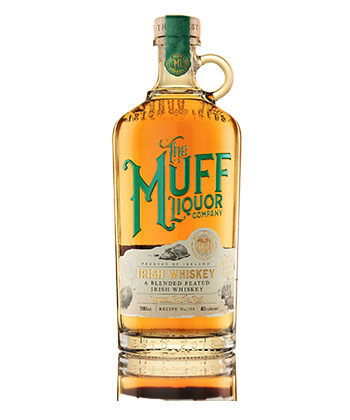
Don’t avoid this “real, serious liquor” just because of its childishly provocative name, jug-handle bottle design, or ownership group that counts Russell Crowe and Ed Sheeran (among others). Your expectations will actually be rocked by this delightful blend of Irish malt and grain whiskeys, some peated, and matured in a variety of casks including ex-bourbon and sherry. It’s a pretty fruity Irish whiskey that’s more citrusy on the nose and more tropical — think mangos, nectarines, coconuts, and even bananas — on the palate, with just enough smoke to balance everything out. True, there’s a little too much alcohol bite, especially at a mere 43 percent ABV, to enjoy it neat, but you’ll welcome the heat when it’s deployed in, say, an Irish Coffee or the Tipperary.
Average price: $38
Rating: 91
The Best of the Rest:
The Best Irish Whiskeys Under $50
Northcross Triple Wood Irish Whiskey
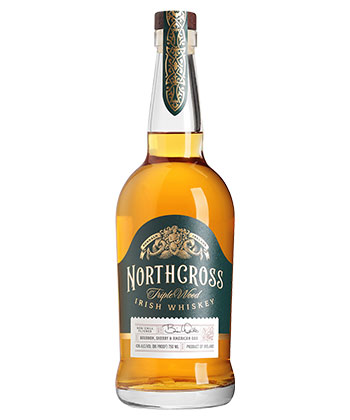
The trio of woods in the name of this blended whiskey are ex-bourbon, oloroso sherry, and new American oak. The copper pot distilled blend is surprisingly sweet, but never cloying, making it an appealing option for those new to the category, while the price makes it attractive for any and all “usage occasions.”
Average price: $20
Rating: 90
John L. Sullivan Blended Irish Whiskey
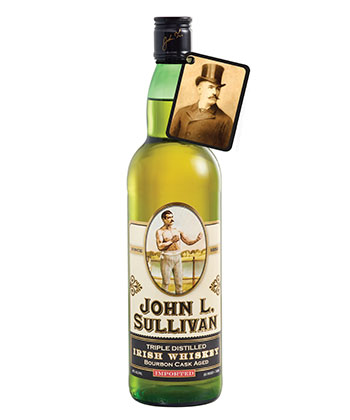
When Irish whiskey haters think of the category, this is the archetypal flavor profile they surely think of. Extremely light in color, aroma, and body, with mere hints of “whiskey” going on. But delve a bit deeper, ignore your cravings for HAZMAT, and you’ll find plenty of nuance here to enjoy: a slight fruitiness, some toasty grains, and a spicy little finish.
Average price: $30
Rating: 88
McConnell’s 5 Year Old Irish Whiskey
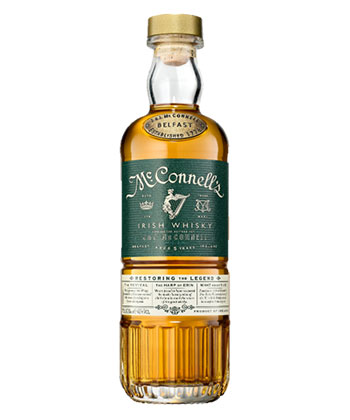
This resurrected historical brand, packaged in a classy bottle, offers a blend of malt and grain whiskeys aged in ex-bourbon barrels. There’s a really aromatic nose, with notes of vanilla bean, toasted coconut, and a certain herbaceousness. The palate offers fresh fruits, banana mainly, with baking spices and a slight graininess on the finish.
Average price: $37
Rating: 92
Pearse Lyons Ha’Penny Four Cask Irish Whiskey
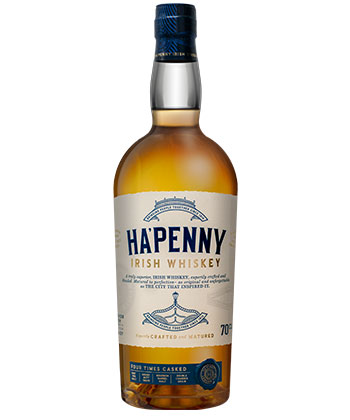
Pearse Lyons offers plenty of more expensive and more ornately packaged whiskeys — many tried in this tasting — but this more humble release out-performed them all. A blend of both malt and grain whiskeys aged in four different cask types — port wine, sherry butt, ex-bourbon, and double charred barrels — creates an intensely complex pour. There are clear wood sugars and spices on the nose, with a palate rich in caramel, vanilla frosting, and dried fruits and nuts.
Average price: $40
Rating: 91
The Whistler P.X. I Love You Single Malt Irish Whiskey
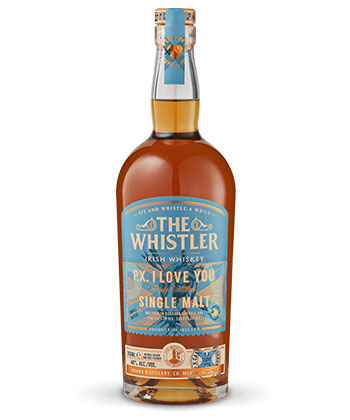
The name can’t help but evoke a widely panned Hilary Swank vehicle from 2007 (just me?), but that is quickly forgotten when diving into this dram. This is single malt matured in ex-bourbon barrels before being finished in the titular Pedro Ximénez (P.X.) sherry casks. For a sherry cask finished whiskey it is shockingly light and mellow. Fruity and floral on the nose, the palate is just kissed with a bit of sweetness and mild potpourri notes. I’m not ready to say the “L” word but this is solid.
Average price: $45
Rating: 91
The Best Irish Whiskeys Over $50
The Legendary Silkie Irish Whiskey
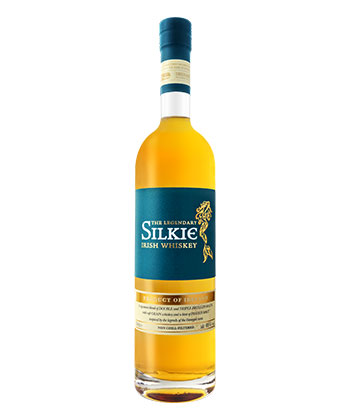
The flagship release from the Donegal County-based Sliabh Liag Distillers is a newish release that demands more attention. This is a complex blend of double- and triple-distilled single malts, some matured in sherry casks, along with corn-based single grain whiskey. Clearly a Scotch lover’s whiskey, it has a rich, chocolaty palate that’s a little bit bready with touches of candied ginger and orange peel, all backed by pleasant wisps of peat smoke.
Average price: $53
Rating: 92
Boann Single Pot Still Irish Whiskey P.X. Cask
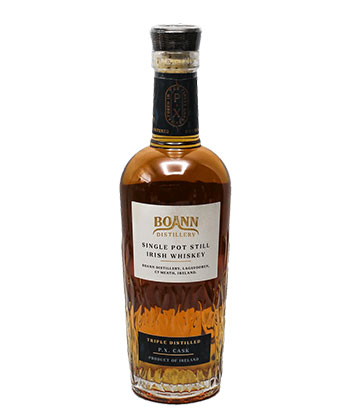
This family-owned craft distillery began releasing its first products, all single pot still Irish whiskeys, beginning in 2024, with the exports first hitting U.S. shores just last year. This triple-distilled blend is matured in oloroso and Pedro Ximénez casks. This is undoubtedly a wine-forward Irish whiskey, but there’s nothing wrong with that. Intense sherry notes on the nose, nutty, woody, a bit meaty, and with some rancio oxidative elements for sure. The palate is sweeter, with figs, plums, cocktail cherries, and overlying notes of pralines. The finish is long and indulgent, making for one of the most interesting Irish whiskeys in our tasting.
Average price: $70
Rating: 92
Drumshanbo Tawny Port Cask Single Pot Still Irish Whiskey
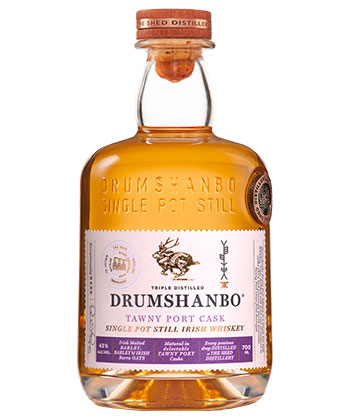
Using malted Irish barley, unmalted Irish barley, and Irish Barra oats, the Connacht-based Shed Distillery triple distills this whiskey on a pot still before fully aging the liquid for seven years in tawny port casks. A spicy nose leads to a palate bursting with dark fruits, raspberries, cherries, and black currant, with a long, silky finish. It would work wonders as a refined after-dinner drink — a perfect pairing with dark chocolate, cigars, or idle contemplation.
Average price: $80
Rating: 92
The Best Irish Whiskeys Over $100
Redbreast Moscatel Wine Cask Edition
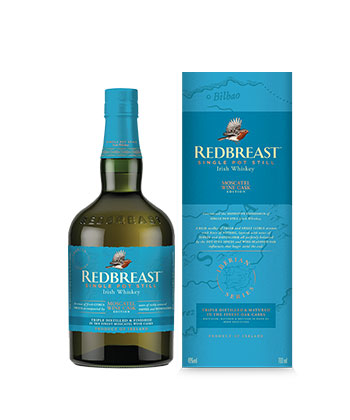
This is the latest release (and the fifth overall) from the Midleton Distillery brand’s Iberian Series, created to celebrate the company’s history of importing fortified wines and sherry in the late 1800s. In this edition, single pot still Irish whiskey is finished for 24 months in Málaga Moscatel wine-seasoned American oak casks. The result is a decadent Irish whiskey that’s winey, sure, and a bit dessert-y, with floral notes, citrus zest, and just a little oxidation. Though it’s a bit jarring at first, as the whiskey sits and opens up, its quality becomes more evident. Another solid entry among the Redbreast yearly variants, even if the price is perhaps a hair too high for what it is.
Average price: $110
Rating: 92
Garavogue Irish Whiskey
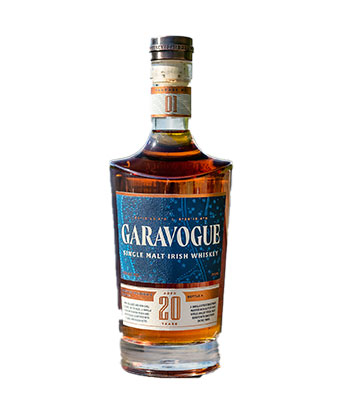
This inaugural release from the Sazerac Company’s Hawk’s Rock Distillery immediately gives pause thanks to the high sticker price. Is Sazerac, the ballyhooed producer of Pappy Van Winkle, Weller, the Buffalo Trace Antique Collection, et al, yet again using its gravitational hype to gouge us on an Irish whiskey? But you’ll quickly put those thoughts to the side after trying it. This 20-year-old single malt (possibly sourced from Bushmills), aged for 14 years in ex-bourbon barrels before moving to Muscat, Sauternes, Pedro Ximénez sherry, and Barbadian rum casks, is truly outstanding. The blend creates something unusually complex, fruity, and tropical on the nose and palate, with strong notes of pineapple and dried mangos backed by hints of vanilla, baba au rhum, and a certain nuttiness. Bottled at 94 proof, higher than most Irish whiskeys are willing to go, this one-time limited release will appeal to tater stans of Buffalo Trace bourbon, while remaining a distinct Irish whiskey.
Average price: $200
Rating: 93
FAQs
What are the main types of Irish Whiskey?
The main types of Irish whiskey include malt, grain, pot still, and blended. While the malt category includes whiskeys made from 100 percent malted barley distilled in copper pots, grain Irish whiskey is made from both malted barley and unmalted cereals, and must be distilled in column stills. Pot still whiskey must contain both malted and unmalted barley (and can also contain other unmalted grains) and must be distilled in copper pot stills. Finally, blended whiskey is made from a mixture of at least two types of Irish whiskey and can be made in both copper and column stills. There’s also a generic category simply dubbed Irish whiskey, which is a sweeping term that includes any whiskeys that don’t fit into the aforementioned categories.
What’s the best-selling Irish Whiskey?
Jameson is the best-selling Irish whiskey.
Is Jameson considered top-shelf?
With its comparatively low price tag, Jameson is typically considered a more economical brand.
