Just as spirits nerds yearn for hard-to-find bottles to add to their collections, oenophiles will always pine over a suite of coveted bottles. Whether due to astronomical prices or low allocations, some wine pros catch onto these bottles simply because they are so unattainable. As a result, these wines develop a “cult” following, but the quality of the product isn’t necessarily what merits that status. Oftentimes, a wine’s uber-popularity is just a result of its elusivity, and consumers may raise their eyebrows at these bottles, writing them off as all style and no substance.
However, some “cult” wines are actually deserving of the moniker. Beyond the sometimes eye-watering price tags and intangible “it” factor, some of these bottles deliver quality juice. It can be hard to see past the fanfare that wines of this ilk carry, so we looked to the experts to see which bottles are actually worth their buzz.
Cult wines that are worth the hype, according to wine professionals:
- Matassa Cuvée Marguerite 2024
- Weingut Keller
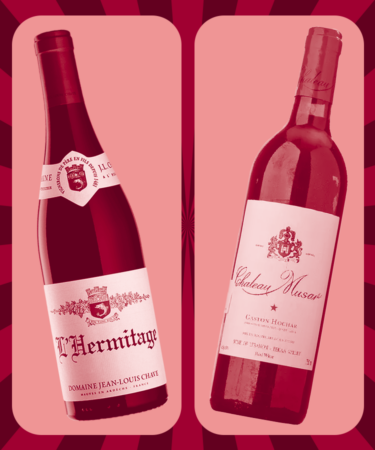
- J.L. Chave Hermitage Rouge
- Mersel Wine
- Château Musar
- Hinterland Wine Company Whitecap
- Weingut Egon Müller ‘Scharzhof’
- Stella di Campalto
- Older reds from Lalou Bize Leroy
- Domaine La Grange des Peres Rouge
- Champagne Salon S’ Le Mesnil Blanc de Blancs
- Cantalapiedra Viticultores Majuelo La Otea
- Whitcraft Winery Pinot Noir
- Domaine des Miroirs
- Domaine des Cavarodes
- Ruth Lewandowski Elimelech Riesling
- Sine Qua Non
- Pierre-Yves Colin-Morey
- Domaine Caroline Morey
- Comando G
- Henschke Hill of Grace Shiraz
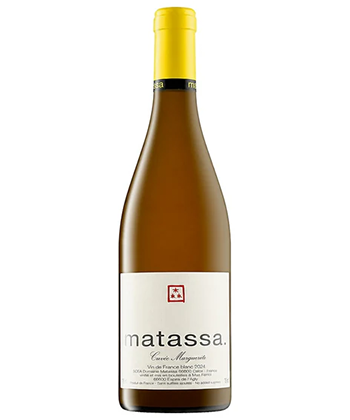
“I’ve been drinking Matassa Cuvée Marguerite 2024 with the team at the bar from time to time, and it’s quickly become one of my favorite bottles to keep around. Bright, refreshing, and packed with citrus, stone fruit, and floral notes, it’s the kind of wine that’s easy to enjoy while still offering plenty of character. What I especially appreciate is how consistent it is from vintage to vintage. Every year brings its own nuance, but Cuvée Marguerite never seems to miss. It’s also one of those wines that wins people over every time, even guests who don’t usually drink natural wine. More often than not, customers who order it end up coming back for another bottle. It’s a fun, versatile wine that consistently overdelivers and offers outstanding value for the quality.” —Hubert Espeisse, manager, The Rad, Berlin, Germany
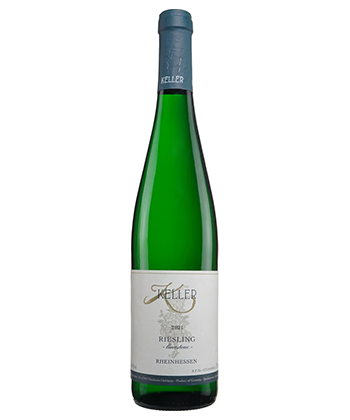
“I’m hearing the term ‘cult’ thrown around more and more often. Unfortunately, it’s often used either to describe ultra-expensive trophy wines like Domaine de la Romanée-Conti (which I don’t think are overrated at all, merely outside my everyday budget), or newer producers working tiny parcels whose wines suddenly become impossible to find and are priced accordingly. The latter is often a setup for disappointment. Scarcity alone doesn’t justify demand or price.
There are certainly cult producers that deserve every bit of their reputation. Clos Rougeard, Clos Roche Blanche (when you could still find it), and Raveneau immediately come to mind. But the producer that stands out most for me is Klaus Peter Keller. Plenty of wines become cult wines because they’re rare; Keller became a cult producer because the wines are genuinely extraordinary. The top bottlings manage to be simultaneously powerful and weightless, combining intensity, precision, and a profound sense of place in a way that few white wines anywhere can match. Even after all the attention they’ve received over the past decade, I still find that the best bottles exceed expectations rather than simply meet them. To me, that’s the ultimate test of whether the hype is deserved.” —Cody Pruitt, owner, Chateau Royale, New York City
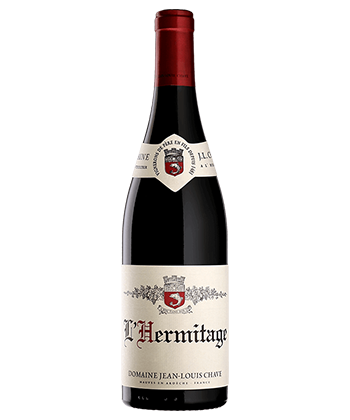
“My favorite cult wine selection is J.L. Chave Hermitage Rouge. It is hands-down one of the world’s best wines. The family property is located in the hills of Saint-Joseph in the Northern Rhône, where they have been making wine since 1481. I’ve had the pleasure of tasting in their cellar firsthand, and five centuries of winemaking heritage truly culminate in these masterful bottles. And side note: I have a full man crush on Jean Louis Chave.” —Neal McCarthy, co-founder, Miller Union and Madeira Park, Atlanta
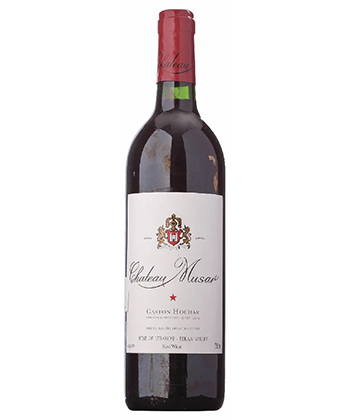
“Lebanon is a sort of ‘cult wine’ country. Its wine culture is built on small, family-run vineyards and small production runs. It’s almost a startup culture around winemaking. At the same time, Lebanon is one of the oldest wine-producing regions in the world, with a winemaking history that stretches back thousands of years. Compared to French or Italian wines that are pervasive, Lebanese wines find their way to specialty shops and select restaurants.
We’ve sought out and met a handful of Lebanese winemakers at Sawa. From the get-go, we wanted to showcase more obscure and interesting wines from Lebanon. One of the producers we carry is Mersel Wine. Mersel has earned a devoted following for its low-intervention approach and its focus on indigenous Lebanese grape varieties.
And, of course, there is Chateau Musar. Musar remains Lebanon’s most iconic winery, producing distinctive, age-worthy wines that helped put the country on the global wine map. We enjoy presenting that contrast to our guests: Musar with its classic, French-influenced winemaking tradition alongside Mersel, which is exploring new ideas while looking back to Lebanon’s native grapes and ancient wine heritage. It’s a fascinating playground, and one we love to showcase at Sawa.” —Samaya Boueri Ziade, owner, Sawa, Brooklyn
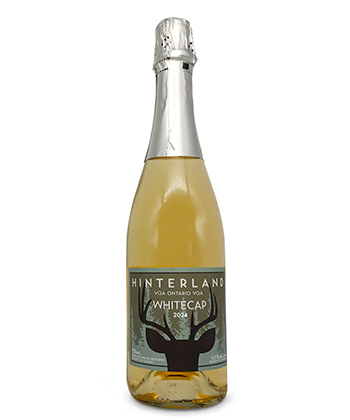
“In a region quickly becoming synonymous with world-class sparkling wine, Hinterland’s Whitecap continues to stand out for all the right reasons. Bright, lively, and effortlessly drinkable, this Prince Edward County sparkler delivers layers of citrus, orchard fruit, and a creamy texture at a price point that feels refreshingly accessible. Its Charmat-method production gives it an energetic freshness that bridges the gap between serious wine and pure celebration — proving the buzz around Whitecap isn’t just hype, but well earned.” —Matthew Gilsenan, beverage director, La Condesa, Wellington, Ontario, Canada
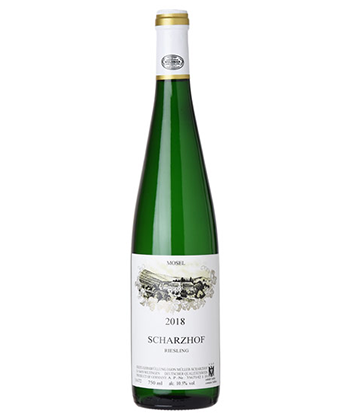
“Egon Müller’s legendary Mosel Rieslings truly live up to the hype, especially his ultra-rare, high-Prädikat ‘unicorn’ bottles like the Auslese, Beerenauslese, and Trockenbeerenauslese. Sourced from the iconic Scharzhofberger vineyard, these wines achieve a legendary status for their electrifying acidity, deep minerality, and incredible potential for aging. By utilizing traditional, neutral oak casks and wild yeasts, Müller crafts a pure, unmanipulated expression of each vintage that firmly cements his title as the king of German Riesling.” —Matej Manev, sommelier, Marlow East, NYC
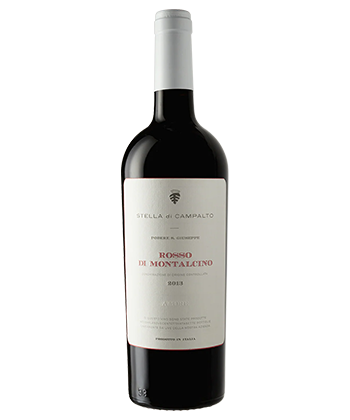
“Stella di Campalto in Podere S. Giuseppe is one of the wineries that, during my career, has gone from completely unknown and inexpensive to utterly expensive and hard-to-get cult status. As a Sangiovese lover and Italian wine obsessive, I am fully on board with the worthiness of the hype surrounding di Campalto’s wines. Di Campalto is able to coax a refined and elegant purity from her vines that are alluring and Mediterranean yet authentic to their exact location in Castelnuovo dell’Abate. I have visited di Campalto several times over the years, and her ambition and growth is so inspiring. The wines manage to get more precise every vintage without losing their typical romance that makes you fall in love with them. To me, this is the apex of Sangiovese.
Older reds from Lalou Bize Leroy are truly the greatest expressions of Pinot Noir, especially from the ’90s. I rarely get to taste these, but when I do, these wines take my breath away every time. They taste of rose hips and spices and are just the most elegant, perfumed wines ever.
Grange des Pères Rouge is a sleeper, but I believe it has cult status or is on the road to cult status. Hearty yet elegant, Grange des Pères Rouge is the best example of what southern French reds can be.
Salon Blanc de Blancs Champagne is the apex of precise, perfect Chardonnay from Les-Mesnil-sur-Oger. Only made after great vintages, Salon is the most perfect Champagne.” —Carlin Karr, wine director, Frasca Hospitality Group, Boulder, Colo.
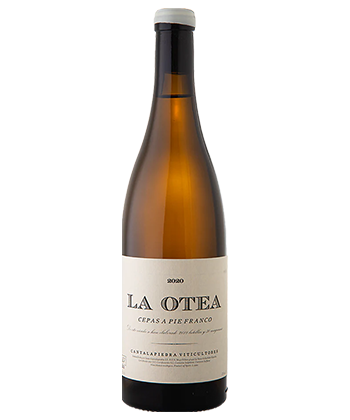
“Manuel Cantalapiedra’s La Otea is not the easiest bottle to find, but this wine completely shifted how I thought about Verdejo and Rueda. I think so many people overlook Ruedas because of the volume and style that became popular, but La Otea reminds you what the region can achieve at peak execution. It comes from incredibly old, own-rooted vines and is produced in a way that preserves what makes that site and grape special. To me, that’s the kind of cult wine worth the hype — not because it’s impossible to get, but because it makes you rethink a place and a grape you thought you already understood.” —Daryl Coke, wine director, Bartolo, NYC
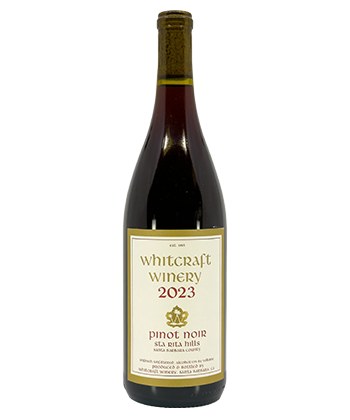
“Whitcraft Winery’s Pinot Noir is what comes to my mind when people say cult wine. While most go to bigger, bolder styles, Whitcraft Winery produces a beautiful, minimal-intervention Pinot Noir that checks all my boxes: bright red crunchy fruit, silky texture, and a surprisingly deep depth of flavor. It’s easy to understand why wine aficionados seek out this wine.” —Felix Fernandez, wine director, John’s Food and Wine, Chicago
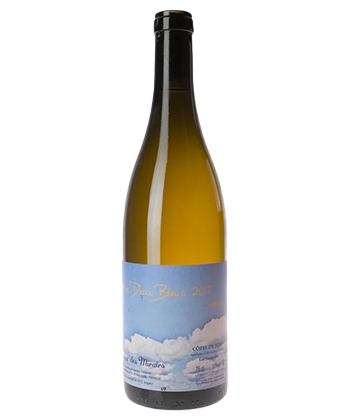
“The main thing with wines of this stature/nature is it should be something truly unique, coming from someone with a clear vision. A wine like no other. Sometimes, I don’t even really enjoy drinking the wine as much as I appreciate it for what it is. In the Jura, we find a lot of rare cult wines. One that is mostly unattainable at its price but I think worth every penny is Domaine des Miroirs. Kenjiro Kagami makes a tiny amount of wine in the village of Miroirs in southern Jura. It’s aged for many years in the cellar before being released and is usually best with a couple more years in your own cellar. Domaine des Miroirs is an ethereal, deep, bombshell white wine that will stop you in your tracks.
For something almost equally rare in the States but much more affordable, we can go to the opposite end of Jura for the wines of Etienne Thiebaud from Domaine des Cavarodes. Thiebaud produces some of the most pleasurable wines you can find, always pure expressions of terroir and varietal.” —Mike Fadem, chef and owner, Ops, NYC
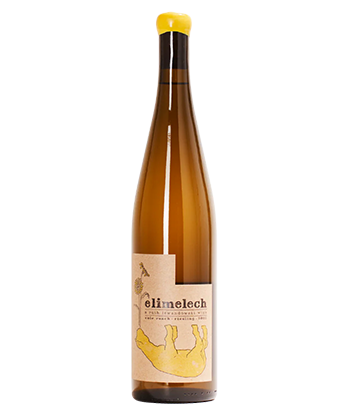
“Rieslings have quickly become one of my favorite wines in the past few years, and Ruth Lewandowski’s Elimelech Riesling is one that continues to win me over. This 100 percent Riesling from Cole Ranch California is salty, citrus-pithy, and has a little funk from noble rot. It has a nice balance of dryness and funkiness that could be enjoyed on its own but would be even better with some schnitzel or fish and chips. Ruth Lewandowski Wines has a lineup of lovely bottles worth exploring. This was recommended to me by Neighborhood Wines in Boston’s South End — they’ve never steered me wrong.” —Meegan Minahan, sous chef, Perch, Boston
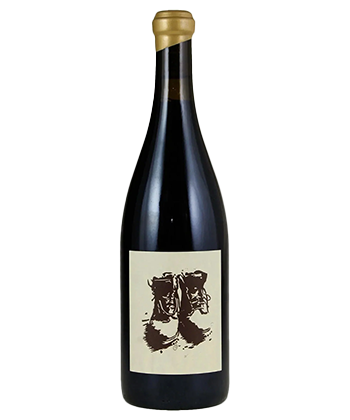
“Sine Qua Non is the first ‘cult’ wine that comes to mind that isn’t Cali Cab. It is certainly up there with those wines as far as auction prices and hype, but what stands apart about them is the constant creativity. From the annual new labels and names to the winemaking, you can tell the team doesn’t rest on their laurels and sell their wine simply off prestige. Along with their legendary age-worthiness, the wines are well worth the hype.
Pierre-Yves Colin-Morey (PYCM) is the other one that always jumps out to me. We’ve seen Colin’ wines go from hidden gem to cult Burgundy status very quickly — and for good reason. If anyone ever questions if white Burgundy is worth the price point, point them to PYCM (and his wife Caroline Morey’s wines, too — do not miss them!).” —Andy Reed, wine manager, Hawksmoor, NYC
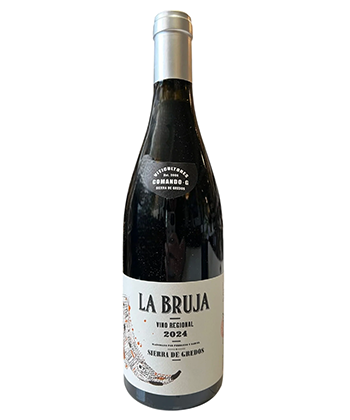
“The ‘cult’ wine producer I’m most excited about at the moment is Comando G from Sierra de Gredos, Spain. The region is not far from Madrid, and this producer concentrates on Grenache planted in granite soils, mostly from once-abandoned vineyards that they revitalized. The wines have great purity, complexity, and balance, and you can taste the real passion and integrity behind them.” —Francesco Grosso, wine director, Ai Fiori, NYC
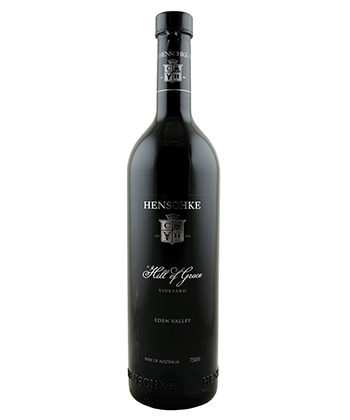
“I’d like to share a story about my first foray into trying to purchase a cult wine for our wine list. It was the Henschke Hill of Grace Shiraz. I had realized early on that Syrah/Shiraz was an excellent match to our cuisine, so I was trying to build that section of our wine list. We were already carrying two other Henschke wines at the time, so I wanted to add their crowned jewel as the cherry on top. Every year, I would go to the importer’s portfolio tasting, and every year, I would put in a request for a few bottles. Denied! Every year!
One year, I remember they actually opened a bottle of it, and I even got there in time to snag a taste. I was truly hoping it wasn’t worth all the hype. I really wanted to hate it since I couldn’t get my hands on a bottle for us, but sadly, I loved it! Here’s why: All of the vines are planted on their own roots, which makes the wine even more expressive of Shiraz. The oldest plots of the historic, gnarly vines are over 155 years of age, adding depth and complexity. The wine is filled with floral aromatics accompanied by rich, plush, and spicy fruit, balanced by a bright mid-palate juiciness, followed by a super-lengthy, velvety finish that seems to go on for days.
Fast forward to today, the Henschke wines are with a different importer, and the Hill of Grace Shiraz is now on our reserve list. I was even invited to an exclusive tasting with sixth-generation winemaker Johann Henschke showing five vintages of the Hill of Grace to celebrate the 60th vintage of the Hill of Grace Shiraz and the family’s 150th anniversary of winemaking.” —Jill Gubesch, wine director, Frontera Grill, Topolobampo, Bar Sótano, and Xoco, Chicago
