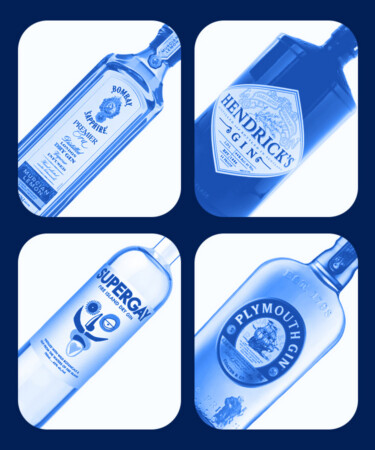
For the at-home mixologist, it can be difficult to figure out exactly how to stock your bar cart. Not everyone looking to whip up classic cocktails has the luxury of stocking several bottles of a spirit to experiment with. So if you have to commit to just one expression to cater to a wide range of drinks, which gin should you reach for?
Gin is always distilled with juniper berries, but distilleries are free to add in other adjuncts such as cinnamon, cardamom, ginger, or citrus peel. This leads to a market with a wide range of flavor profiles — often resulting in decision paralysis for the everyday home bartender.
But never fear, we’ve asked 16 bartenders which gin they think hits the perfect balance for classic cocktails. The answers vary from traditional London Dry bottles to new-age botanical expressions that prioritize locally harvested ingredients. One bartender even insisted on a spirit that is ‘gin-like’ without technically being gin (we’ll let it slide). So dive in, think about your own palate, and figure out which gin would be most at home on your at-home bar cart.
The best gins for mixing classic cocktails, according to bartenders:
- Supergay Fire Island Gin
- Condesa Gin
- Bombay Sapphire Murcian Lemon
- St. George Terroir
- Komasa Gin
- Ginepraio
- Letherbee Gin
- Gray Whale
- Hendrick’s
- The Botanist
- Plymouth
- Beefeater London Dry
- Fords Gin
- Sipsmith Gin
- Roku Gin
- Tanqueray 10
- Las Californias Gin
- Empirical Symphony 6
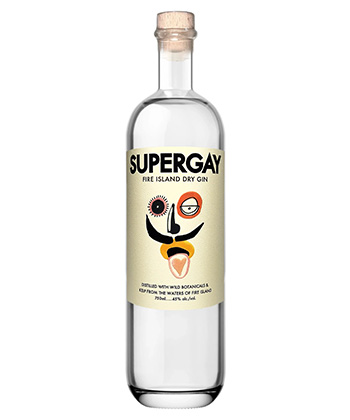
“For classic cocktails, there are gins that are great for historical accuracy, and there are gins that can pull classics into the next generation. For the latter, I find myself grabbing a bottle of Supergay Fire Island Gin more than anything else. It belongs to this newer generation of gins that are focused on using hyper-local ingredients, which I’ve been loving. These gins that are bringing the category back to its roots of being a truly botanical product. Supergay uses locally harvested kelp, which adds an unexpected but very welcome ocean salinity, but it still has enough classic juniper flavor to retain the spirit of any classic cocktail it’s used in.” ––Kacey Liebes, bar director and worker-owner, Boyfriend Co-op, Brooklyn
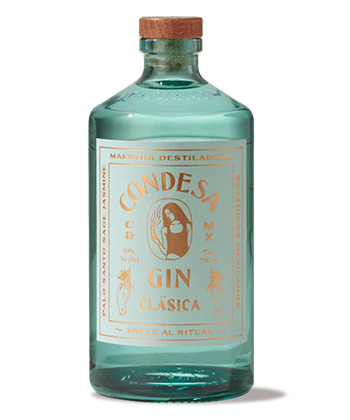
“One of the best gins for mixing classic cocktails is Condesa Gin. It’s an extra-dry gin made in small batches in Mexico City at a women-owned distillery. Inspired by traditional Mexican healing practices, it uses botanicals like sage, palo santo, and jasmine, giving it a unique yet balanced profile. The result is a clean, refined gin that works beautifully in a classic Martini, allowing all those subtle notes to shine, while still being smooth and structured enough to hold up in a Negroni.” ––Sky Gardner, head bartender, Nothing Really Matters, New York City
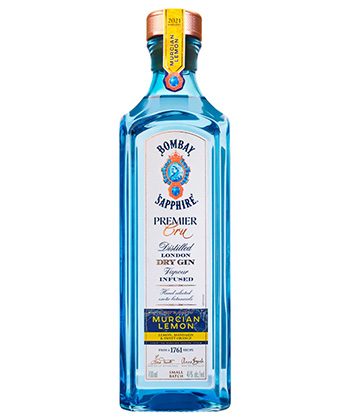
“For me, the best gin for mixing classic cocktails depends on which style you enjoy and what type of classic you are making. For something that has citrus, syrups, or very strong flavors like Campari, I’d recommend something full strength and likely a London Dry-style gin. For Martinis, or things that are a bit lighter, like an Alaska, I love a good gin with citrus already in it. Bombay Sapphire Murcian Lemon, St. George Terroir, and Komasa, plus Ginepraio has been a go-to lately.” ––Steven Waters, owner, Run for the Roses, Denver
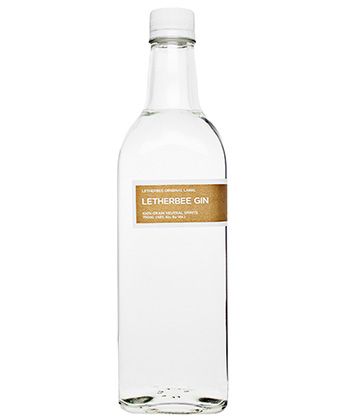
“Personally, my go-to for the past few years has been Letherbee Gin, a local Chicago brand. It’s got everything I like in a gin, clean, robust botanicals, and some serious punch to make any classic cocktail feel new again.” ––Chris Gaeta, bar manager, Void, Chicago
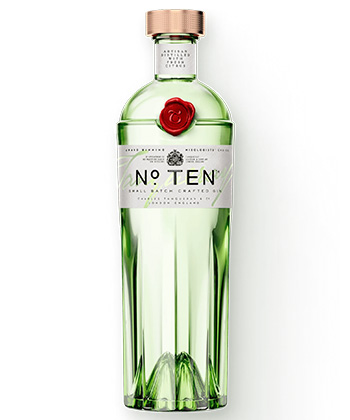
“Tanqueray 10 is the most elegant gin for cocktails. However, Sipsmith London Dry Gin, which is our favorite, is the most versatile for mixing different ingredients. Last but not least, Roku adds great quality to Japanese-inspired drinks.” ––Pierluigi De Angelis, bar manager, Sir Frank’s Bar, London
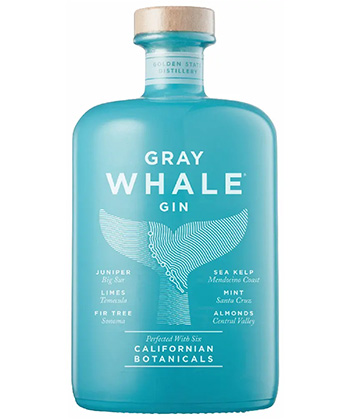
“I love Gray Whale for a Martini; works both for a Dirty Martini and with a twist. I also love Hendrick’s or The Botanist for citrus or floral cocktails.” ––Xandra Leigh, co-owner and bartender, Medusa, Brooklyn
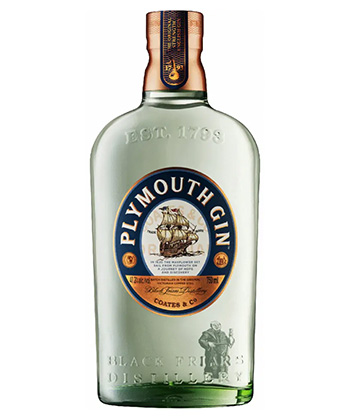
“Plymouth Gin is one of our favorites because it has that rare quality of feeling both steadfast and charming. One of England’s oldest gin houses, it suits the classic cocktail rather beautifully. With a decidedly English attitude, it’s wholly devoted to the enduring pleasures of a well-kept bar. Plymouth shines brightest in a Martini, whether dressed with an olive or a twist, and takes equally well to vermouth, citrus, or a whisper of brine. Soft and rounded on the palate, with classic juniper, gentle spice, and a polished herbal lift, it is as graceful in the glass as it is versatile behind the bar. If we were asked to keep only one gin at hand, it would be Plymouth, unreservedly. It is a proper, classic, and very much our kind of thing.” ––Lindsey Murphy, beverage manager, Inn at Hancock, Hancock, N.H.
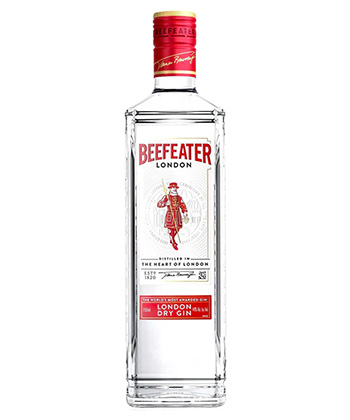
“It’s very subjective to taste and the audience, some are more experimental, while others prefer comfort. I like Beefeater London Dry or Fords Gin for its versatility; it can stand up to a lot of drinks without losing the juniper taste you want in a gin cocktail, even when making a Negroni. My personal favorite is Plymouth with its earthier notes. If I want a gin Martini, I reach for Sipsmith Gin, with its citrus-forward flavor. It’s one of my favorite modern-day gins. And lastly, The Botanist is a great Islay Dry Gin that makes an outstanding Gin & Tonic.” ––Pim Suwanawongse, general manager, Club Room Restaurant and Lounge at Cleveland’s Fidelity Hotel, Cleveland
“For simple classic cocktails, I always prefer to use a classic London dry gin to make sure it’s juniper-forward with a little citrus. My favorite for classic cocktails is Beefeater. It’s got everything you want from a London Dry gin, but it’s not too overpowering, and it marries with other flavors or spirits really well.” ––Steven Reyes, master mixologist and beverage manager, The Ritz-Carlton, Amelia Island, Amelia Island, Fla.
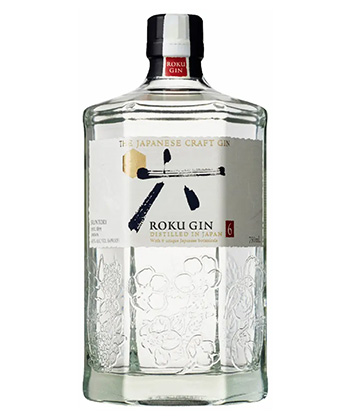
“My go-to gin for mixing classic cocktails is Roku Gin. We serve up plenty of great cocktails with Roku at Hotel Valley Ho, and it’s converted people who typically stay away from gin.” ––Webster Shelton, general manager, ZuZu, Scottsdale, Ariz.
“I think London Dry is the best because you can really taste the juniper. If I had to pick one, I’d say Tanqueray 10.” ––Mario Colasanti, bar supervisor, American Bar, London
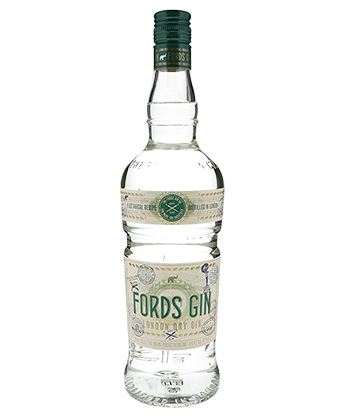
“When it comes to mixing classic cocktails, the best gin really comes down to balance and versatility. You want something that brings structure to the drink without overpowering the other ingredients, which is why a clean, juniper-forward London Dry style is often the go-to behind the bar. Gins like Tanqueray, Fords Gin, Beefeater, and The Botanist all strike that balance beautifully. They’re consistent, well-structured, and allow the cocktail itself to shine while still adding depth and character.” ––Hristina Pesheva, director of food and beverage, Hotel Bel Air, Los Angeles
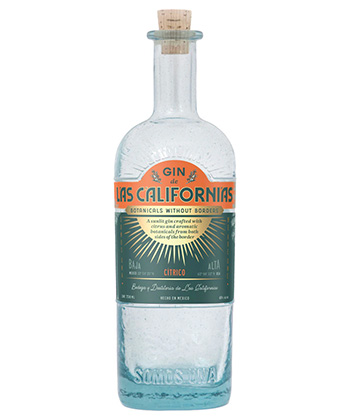
“Las Californias Gin. It’s less about heavy juniper and more about regional botanicals and layered flavors. The botanicals come from the U.S. and Mexico to create a ‘terroir-driven’ flavor profile. It does well in Gin & Tonics and citrus-forward cocktails.” ––Carlos Suarez, The Ranch at Laguna Beach, Laguna Beach, Calif.
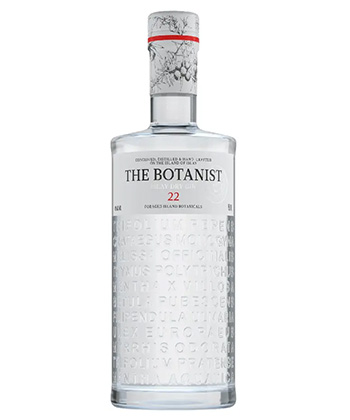
“The Botanist Islay Dry Gin works exceptionally well in classic cocktails because it strikes a rare balance: It is complex enough to be interesting, yet structured enough to behave like a traditional gin. While many craft gins lean too far in one direction, The Botanist remains layered and deep. Its high proof ensures a lasting flavor, and its juniper-forward profile provides the essential blueprint for a great gin. It is also incredibly versatile, performing beautifully in everything from a Martini to a Negroni.” ––Samantha Fowler, bartender, Auld Alliance, Rising Fawn, Ga.
“For me, a good London Dry is a staunch workhorse in my gin cocktails because of its classic nature and lack of adjuncts, but I prefer it bracingly cold. Barrel-rested gins have been contentious, but when used intentionally, they can really make a cocktail shine. It’s a two-way street with this product, as it can work well in a Martinez or a Negroni, but it also holds down a robust and deep sour. I subbed a barrel-rested gin into a Saturn (adjusting some specs), and it took it to another level. Sloe gin is for sure a wild card, and something that I haven’t played with much. Our bar lead at The Campground, Jake, has been utilizing it for years and recently put it in a flip with coconut, herbal liqueurs, and pleated Scotch. Finally, and most importantly, if I find myself out at the end of a long night, or I’m out to a show and don’t want a beer and a shot, I’m 100 percent ordering a double Hendrick’s with soda” ––Christopher Ciesiel, owner and operator, The Campground, Kansas City, Mo.
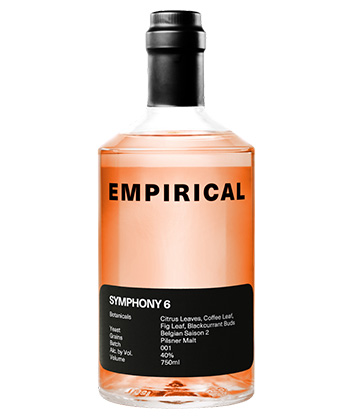
“While not categorically a gin as it’s missing the juniper, my hand reaches toward Empirical’s Symphony 6 when looking for something apropos to fill that need. That spirit was made to showcase flavor and sustainability, intentionally going after the discarded greens that many ‘leaf’ (pun intended) behind. We’re talking lemon leaf, tangerine, fig, coffee, vetiver, ambrette seeds, black currant duds. Juniper can be a bit overpowering, but with the medley of botanicals in this uncategorized spirit, it’s simultaneously citrusy and juicy while retaining a certain musky quality that lends itself well to the gin-centered palate.” ––Sebastien Marrow, bartender, Bad Medicine, Cleveland
