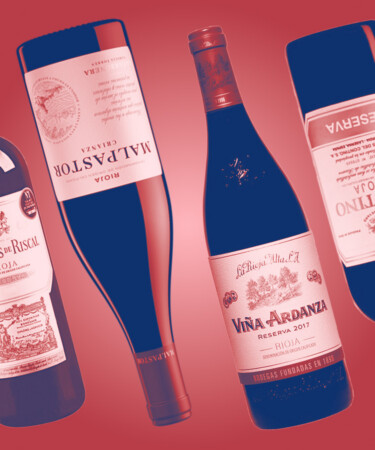
Tempranillo is a sneaky little grape. Throughout Spain, you’ll find it going incognito under many different names in different regions: Cencibel in Castilla-La Mancha; Tinto Fino and Tinta del País in Ribera del Duero; Tinta de Toro in Toro; and so many more. But nowhere is it more popular than its birthplace: Rioja.
Wine has been made in Rioja for centuries, but the creation of the Haro train station in 1863 brought new visibility to the region. Wines were exported throughout Europe and gained traction. The routing, however, led to more nefarious action: When the phylloxera crisis hit France, it was later discovered that Bordeaux winemakers bought Rioja wines in bulk to pass off as their own. Despite the turbulence, the connection between the two regions also proved beneficial, as Bordeaux techniques modernized Rioja winemaking and vastly improved quality. By the late 19th century the Rioja wines were lauded as some of the best in Spain, and came to represent the country on the international stage.
Tempranillo, a fruit-forward grape with medium-to-low acidity, commands the majority of plantings, but Garnacha, Graciano, and Mazuelo (a.k.a. Carignan) might be blended into reds. When it comes to white wines, the textured and full-bodied Viura dominates.
Today, Rioja remains one of Spain’s most iconic wine regions. While some bottles command prices on par with great Bordeaux or cult Napa Cabernets, particularly the long-aging Gran Reservas, price points run the gamut. And the entry-level wines from even the top producers are usually quite approachable, typically starting at around $15 or $20. Here are seven producers to know to get into Rioja wines.
Marqués de Riscal
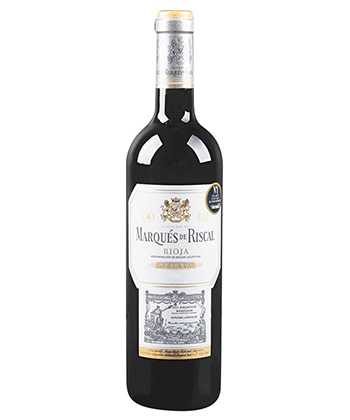
Rising from the hills sits Frank Gehry’s architectural masterpiece, also known as the Marqués de Riscal winery. One of the most recognizable buildings in the region, it’s also home to a hotel and spa. The modern structure stands in juxtaposition to the winery’s long history in the region. The Marqués, Guillermo Hurtado de Amézaga, lived in Bordeaux for a stint and in the mid-1800s brought French winemaking techniques back to his home country. He was an early member of a movement called “El Médoc Alavés” (The Álava Medoc), which sought to increase exports and improve the quality of Rioja wines. His son, Camilo, planted 9,000 vines to further experiment with Bordeaux’s way of winemaking. Guillermo also hired Jean Pineau from Bordeaux to introduce Bordeaux cellar practices in the region, incorporating strict hygiene regimens and longer aging times. Of particular note was the introduction of American oak casks, which remain a signature of Rioja winemaking today. The Marqués de Riscal Reserva, at around $22, is the perfect introduction to the legendary estate.
López de Heredia
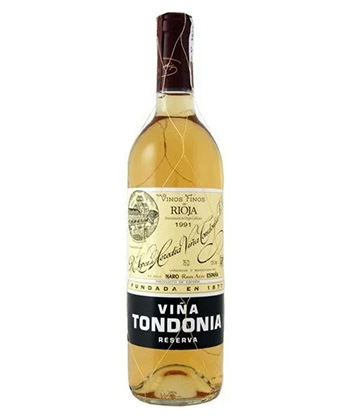
Rioja wines are known for long aging before release, but López de Heredia takes it to a new level. Founded in 1877, the iconic estate remains under the control of the fourth generation. They’ve never bowed to the pressure to release wines on any particular timeline, and instead age wines for as long as they deem necessary. The concept is particularly revelatory with white wines, such as the Vińa Tondonia Reserva Blanco, $45, made from a blend of Viura and Macabeo. All of the fruit comes from estate vineyards, a rarity in the region. Fermentation takes place with native yeasts in custom wooden vats, and all these elements bring López de Heredia to the upper echelon of Rioja winemaking.
La Rioja Alta
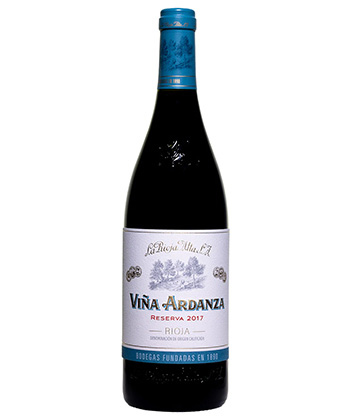
La Rioja Alta was founded in 1890 by five families and, from the earliest days, enlisted French winemaker, Albert Vigier, to produce wines. Over the years, the families consolidated into a single company, now known as La Rioja Alta, S.A. The winery only works with grapes from the subregions of Rioja Alavesa and Alta. It believes these areas provide the ideal climate, including wide diurnal shifts, to produce the freshness it seeks in grapes. While the estate is best known for its Gran Reserva 890, made only in specific vintages, the Viña Ardanza Reserva, a blend of Tempranillo and Garnacha, retails for around $40.
CUNE
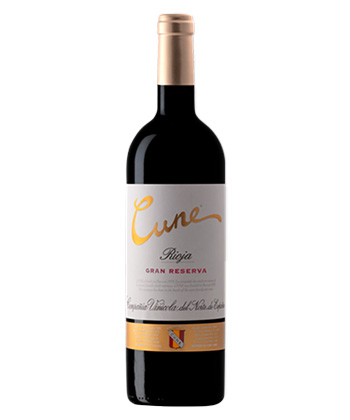
Founded in 1879 in Haro, Cune might be one of the most recognizable names on the market, but it was almost something completely different. A typo changed the name from CVNE (Compañía Vinícola del Norte de España) to Cune. Today, Cune is run by fifth-generation family members, who own seven other wineries throughout Spain. Known as a value-driven line of wines, the Gran Reserva, aged for the required 36 months according to Rioja DOCa regulations, retails for about $35.
Contino
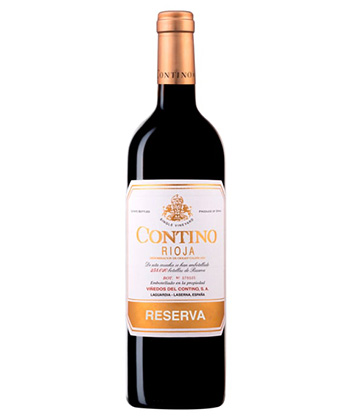
Also owned by CVNE, Contino, established in 1973, revolutionized Rioja with its chateau model; rather than sourcing from growers, fruit comes from the 153-acre contiguous vineyard surrounding the Contino winery and its 16th-century cellars, some of the oldest in Rioja. Plots of Tempranillo, Mazuelo, Graciano, and Garnacha are vinified separately to coax out individual qualities of the grapes and the specific terroir. The Reserva, at $50, exemplifies the core philosophy of this single-vineyard estate.
La Carbonera
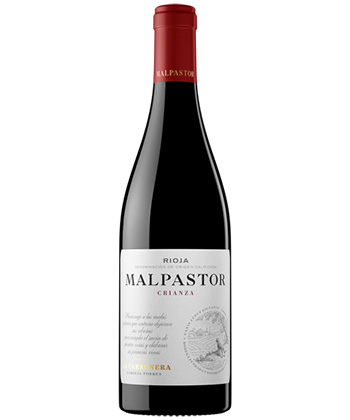
Familia Torres’s roots reside in Penedès, but throughout the generations, the family expanded into Spain, Argentina, and California. As a B Corp-certified company, it focuses not just on winemaking but also on operating in a sustainable manner to better the planet. La Carbonera, founded in 2007, is dedicated to the wines of Rioja Alavesa. Goblet-trained Tempranillo vines at least 35 years old grow in chalky soils. Everything is hand-harvested. Malpastor Reserva, $25, is Tempranillo-dominant with a field blend of Garnacha Blanca, Viura, Malvasía, and Garnacha Tinta in the cuvée.
Bodegas Benjamin de Rothschild & Tempos Vega Sicilia Mácan
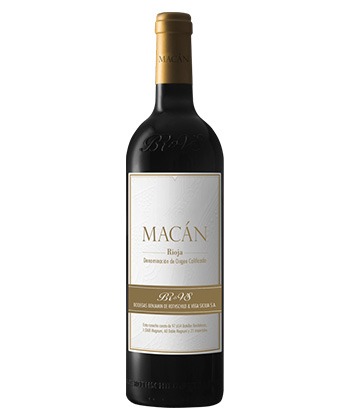
Tempos Vega Sicilia’s Unico, from Ribera del Duero, stands as its flagship wine. It commands hundreds of dollars and stands alongside the cultiest of cult wines in terms of exclusivity. However, the company reaches into other parts of Spain, including Rioja, for its portfolio of bold reds. Founded in 2004, Bodegas Benjamin de Rothschild & Vega Sicilia is a collaboration between Compagnie Vinicole Baron Edmond de Rothschild and Vega Sicilia. Inspired by Bordeaux, the winery produces a first and second wine, Mácan and Mácan Clásico, both 100 percent Tempranillo, which retail for about $120 and $70, respectively. Even though the estate is relatively new on the Rioja scene, it’s a great way to taste Tempranillo from one of the world’s greatest Tempranillo producers.
