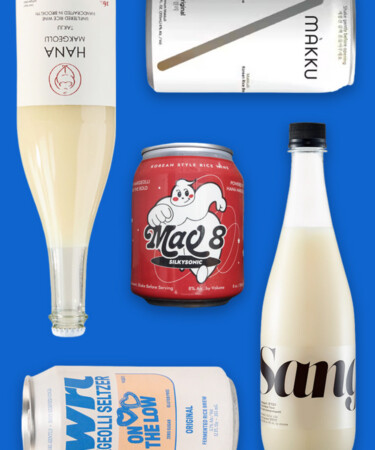
Over the last few decades, there’s been a makgeolli boom in Korea and around the rest of the world. While this beverage is typically referred to as a rice wine in English, it’s not quite a wine, nor a beer, and despite its similar appearance, not a sake. Instead, makgeolli fits squarely into the vast universe of sool, the Korean word for alcohol as well as Korea’s all-encompassing category of rice alcohol.
This cloudy brew needs only three ingredients: rice, water, and nuruk, a dynamic fermentation starter full of wild yeasts, bacteria, and grain, typically wheat. Similar to how koji powers sake and qu powers huang jiu, nuruk is the engine to makgeolli’s fermentation. In an extraordinary process called multiple parallel fermentation, the enzymes and bacterias work in tandem, breaking down the rice starches into fermentable sugars (saccharification) while simultaneously converting the sugars into alcohol. The result is a cloudy, unfiltered brew that separates into two distinct layers. The top clear, golden liquid — called yakju or cheongju and traditionally reserved for royalty — can be sipped as is or distilled further to get soju. Meanwhile, the bottom cloudy white mixture forms takju, which was historically sipped as a farmer’s drink. Makgeolli is essentially a form of takju, but can be further diluted with water or infusions.
The history of makgeolli is deeply entangled with Korea’s 20th century. During the Japanese occupation from 1910 to 1945, rice was heavily extracted for export, while liquor laws imposed licensing systems that gradually criminalized homebrewing. Then, after the Korean War, widespread famine and grain shortages led the South Korean government to restrict the use of rice for alcohol production. Without other options, producers turned toward cheaper starches such as wheat flour and sweet potatoes and produced what is now known as conventional makgeolli.
Conventional makgeolli, packaged in big plastic bottles and sold in H Mart and mom-and-pop Korean grocers, leans sweet and extra bubbly. But among a new generation of brewers, there’s renewed interest in making makgeolli the traditional way — three ingredients, with no added sweeteners or aspartame. From just these ingredients alone, a deep kaleidoscope of flavor possibilities emerge: ripe green apple, chrysanthemum, citrus peel, burnt caramel, and brown sugar.
The modern enthusiasm for thoughtfully crafted makgeolli has carried over to a flurry of producers and bars. Hana Makgeolli, a Brooklyn-based brewery founded by Alice Jun, was the first of its kind to open in the U.S. back in 2020, while on the West Coast, new producers are sprouting up every year. The same enthusiasm extends to bars: New York establishments such as Tera NYC, Seoul Salon, and Orion Bar, and West Coast outposts like Jilli, which has locations in both Los Angeles and San Francisco, and Baroo all serve up flights of makgeolli from domestic and Korean producers alike. Here, makgeolli is traditionally paired with Korean homestyle foods such as bubbling stews, grilled meats, and banchan. But as many of these restaurants and bars also show, it goes equally well with roasted meats, creamy cheeses, and any cuisine with a spicy kick, be it Sichuanese, Thai, or Mexican. Nowadays, you’ll even find makgeolli on many wine lists in fine-dining restaurants.
“Makgeolli has changed more in the last six years than it did in the previous century,” Jun says. “What was once a category defined by nostalgia is now earning serious attention from sommeliers, importers, and a new generation of drinkers. Many of them care about where their drinks come from and how they’re made.”
If you’re interested in learning more, here are 11 bottles to try — from traditional bottlings to playful, gluggable cans.
Bottles
Hana Makgeolli Takju 16
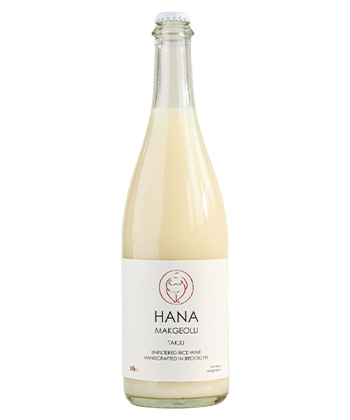
Natural wine lovers will find a lot to love about Hana Makgeolli. Its signature cuvée, Takju 16, is fermented for 28 days, producing a brew that’s both strong and dry, with hints of green apple and a pleasant tang. Keep a close eye on the brand, as founder Alice Jun is constantly experimenting with new projects: chrysanthemum infusions, mugwort and Korea’s five-flavor berry (omija) makgeolli, and co-fermented bottles with local producers such as Brooklyn Cider House.
Shinpyeong Brewery White Lotus
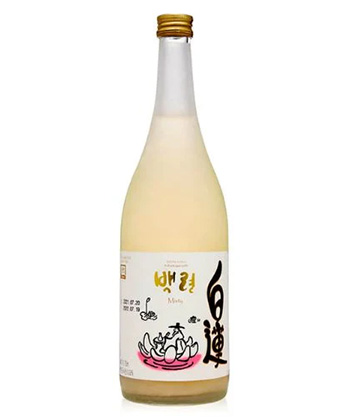
This floral, silky makgeolli from the city of Dangjin has gentle notes of lotus and grass and uses rice nuruk. Crafted by Shinpyeong, one of South Korea’s oldest family-run breweries since 1933, this easy-to-drink bottle can be found in many sool bars.
Sulseam Red Monkey
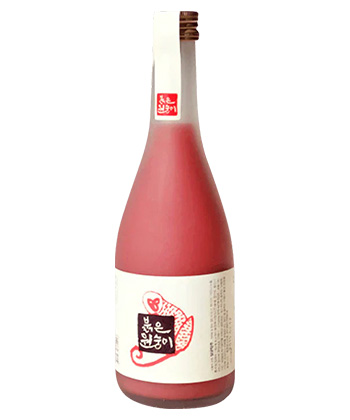
With its vibrant crimson color, light sweetness, and sour berry notes, one might assume this makgeolli is brewed with ripe strawberries. Instead, the secret ingredient is red yeast rice, an antioxidant-rich variety fermented with Monascus purpureus, a red-purple rice mold. Paired with deep-fried snacks or homey rice dishes, this bottle from the traditional Korean distillery Red Monkey makes for a colorful conversation starter.
Cans
Hana Makgeolli MAQ 8 Silkysonic
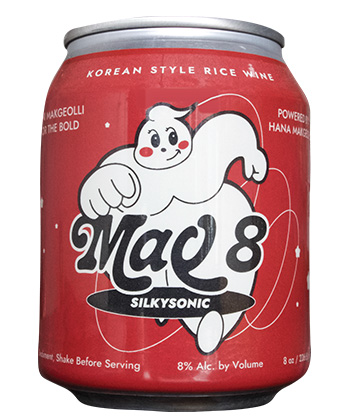
If Takju 16 is Hana’s elegant, complex bottle, MAQ 8 Silkysonic is its sessionable counterpart, coming in at only 8 percent ABV. Packaged in squat cans, this makgeolli is light, clean, and slightly sweet — something you could definitely reach for on a Tuesday.
Màkku
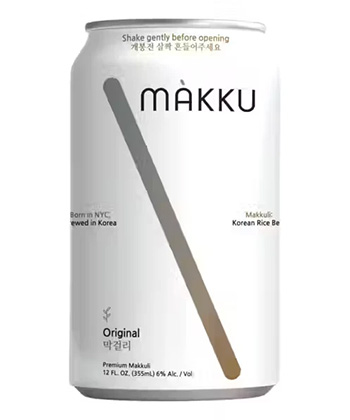
Màkku was founded by Korean American Carol Pak in New York, but production currently occurs in Korea. Sparkling, light, and refreshingly creamy, this casual makgeolli comes in original and fruit flavors such as blueberry, passion fruit, and strawberry.
Swrl
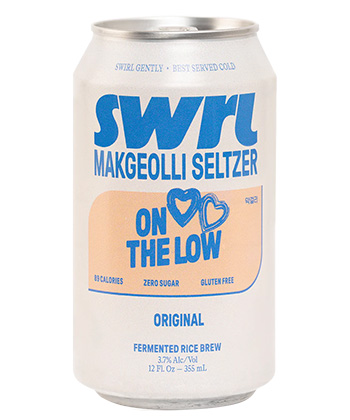
Inji and Haley Kim, two friends who both grew up in Korea, started Swrl to bring makgeolli to the familiar hard seltzer RTD format. With zero residual sugars and a lighter finish than typical makgeolli, this cloudy and unfiltered brew makes a great drink for hot days. Crack open a crisp, bubbly can of its original or flavored brews like yuzu and pine needles, Earl Grey, or mixed cherries.
West Coast
The West Coast — especially Los Angeles — is home to the country’s burgeoning scenes for craft makgeolli and sool, with many producers opting for small-batch, high-quality unpasteurized brews over anything conventional or commercial. That said, as of the publication date, the following makgeolli can only be found in certain West Coast retailers, and not online.
Nasung Sool Co.
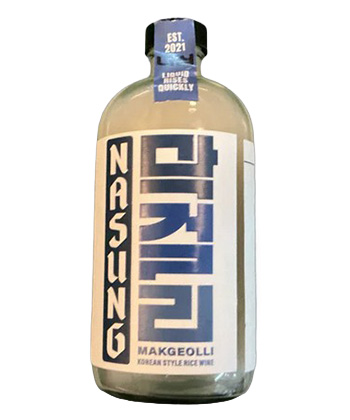
Named after the Korean word for Los Angeles, Nasung 나성 (formerly Angma) is crafting traditionally made, award-winning makgeolli and soju in the heart of Fullerton, Calif. David Faulk, who grew up in Korea, and his partners Tenny Park and Preston Gegenfurtner, founded the company in 2021 to bring this traditional beverage to the masses. Its craft makgeolli is smooth and fresh with a mellow sweetness that evokes the seasonal flavors in Korea.
Sang Makgeolli
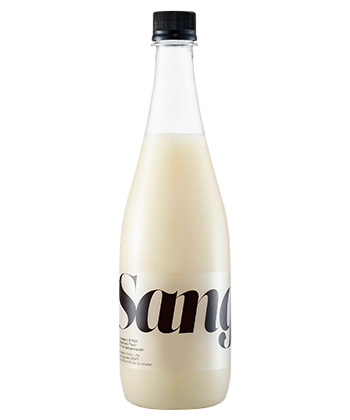
Teddy Bae’s great grandfather began brewing Korean alcohol around 100 years ago and eventually established a sool dynasty. Now, Bae is stepping out on his own with Sang Makgeolli (Newwave Brewing Co.), which takes pride in its California roots and traditional, unpasteurized way of brewing makgeolli. Sang’s hazy, cloudy rice wine comes in limited drops, so make sure to follow the brand online.
Nomi Doga
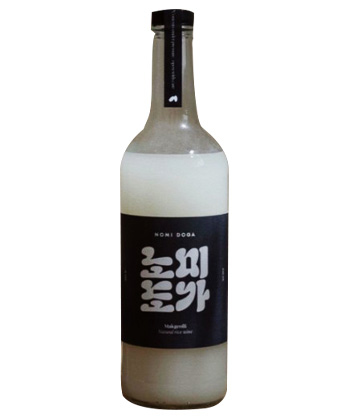
In Los Angeles, this small-batch makgeolli brewery uses organic California rice, house-made nuruk and filtered water, resulting in brews with a higher ABV and dry finish.
Danvi Brewing VOM
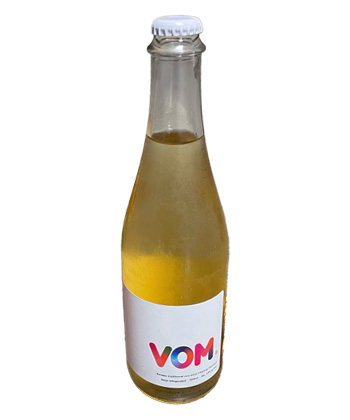
Danvi, an award-winning brewery started by Anselmo Yang, hones in on a traditional, three-ingredient recipe. VOM, its flagship cheongju, has subtle notes of citrus, black plum, and umami.
Rainbrew Jinju Takju
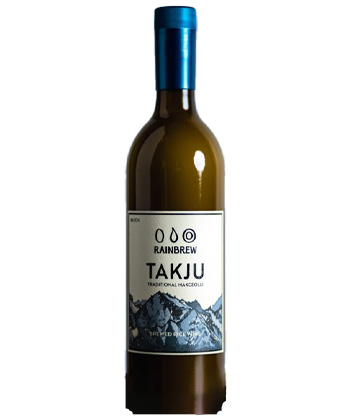
This family-owned and -operated Korean rice brewery in Woodville, Wash., is serving unique bottles that reflect their Korean American heritage. Try its Jinju Takju, a bold and earthy brew that showcases the complexity of special nuruk.
