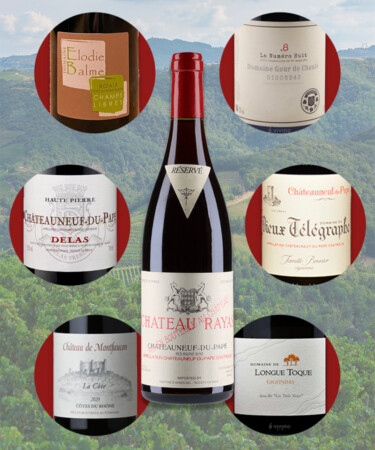
In the Southern Rhône Valley’s acclaimed Châteauneuf-du-Pape appellation, Château Rayas both epitomizes the region and stands completely separate from the area’s other revered producers. Like its peers, it gets its powerful personality from the sun-drenched and windswept terroir of the Rhône Valley. But in a region famously defined by blends, Rayas differs by focusing solely on Grenache.
It’s this terroir-driven, single-variety style that has made Rayas a standout among Southern Rhône wines. The estate’s vineyard includes three distinct lieu-dits: Le Levant, Le Coeur, and Le Couchant. When blended, the separate sites come together to form Rayas’s elegant, structured style. Family-owned for generations, the winery has never bowed to outside influence or style.
All these factors make Rayas one of the most coveted Châteauneuf-du-Pape wines, not to mention one of the most expensive, with bottles often selling for a four-figure price tag. While it’s hard to find other wineries focused on varietal Grenache in the region, there are great alternatives where Grenache dominates and captures the magic Rayas portrays in its wines — for a much more accessible price. Here are eight bottles to try.
Delas Frères Châteauneuf-du-Pape ‘Haut Pierre’
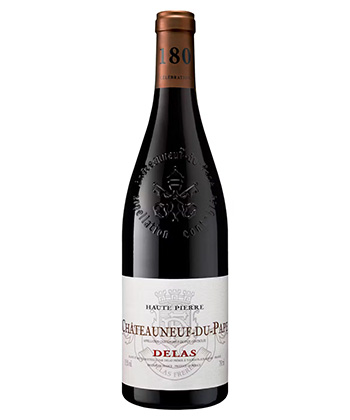
Although Delas Frères is mostly a Northern Rhône specialist, the winery’s Grenache-forward Châteauneuf-du-Pape stands out as a special bottling in the otherwise Syrah-dominant portfolio. Grenache comes from sandy soils outside the village of Châteauneuf, and is aged for 12 months in large oak barrels before the final blend, then another year in concrete or steel tanks before bottling. It’s a rich and elegant style that carries the alcohol well. On average, only about 10,000 to 12,000 bottles are produced each vintage, which makes the typical $63 price tag a steal.
Elodie Balme Côtes du Rhône Villages Roaix ’Champs Libres’
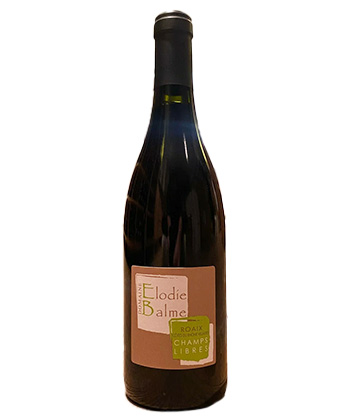
Balme founded her namesake domaine at just 23 years old, turning fruit from her family’s property that previously went to a co-operative into her own estate. A disciple of biodynamic and organic practices, she works to preserve the old-vine Grenache under her stewardship, some of which is upwards of 70 years old. To her, “Grenache is a good messenger of terroir,” as she put it during a tasting in 2024. She prefers concrete to oak, saying Grenache is sensitive to oak and its impact. This bottle, available for around $24, is a fresh and vibrant expression of Grenache-led wine.
Domaine de Garriguettes Côtes du Rhône Villages Gadagne ‘L’Amista’
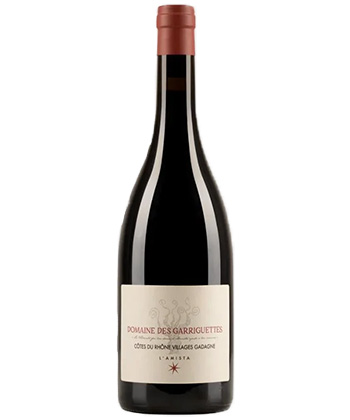
Sébastien Clément, the fourth-generation vigneron of this estate, brings new energy and excitement to winemaking and viticulture. Low-intervention, biodynamic, and regenerative farming guide the work in the vineyards and winery. Like the famed Rayas, “L’Amista” is 100 percent Grenache from old vines planted 1954. But unlike Rayas, this varietal red retails for about $30.
Château de Montfaucon Côtes du Rhône ‘La Côte’
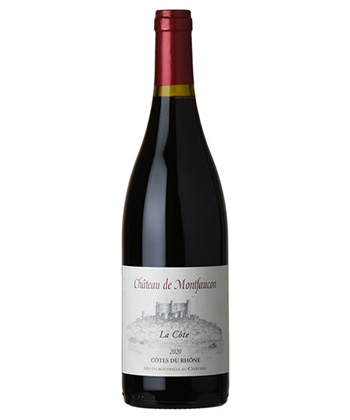
In 1995, Rodolphe de Pins purchased and started restoring an 11th century castle in the Lirac appellation. De Pins, who received a degree from UC Davis and worked at Henschke in Australia and Domaine du Vieux Télégraphe in Châteauneuf-du-Pape, also revitalized the vineyards with a focus on organic farming. Montfaucon wines are prized for being a great value, especially given the high quality. The Grenache-based ‘La Côte’ blend, for example, retails for about $20.
Gour de Chaulé Gigondas ‘La Numéro Huit’
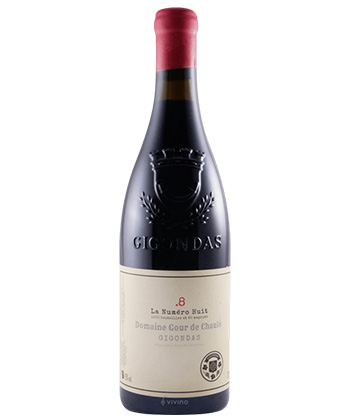
Given its proximity to Châteauneuf-du-Pape, Gigondas has long been considered a value-driven alternative appellation to its famous neighbor. However, estates like Gour de Chaulé prove it has a personality all its own. This family property started estate bottling its wines in the 1970s, with Grenache always the focus. This particular bottling, made with 100 percent Grenache, comes from a parcel of 100-year-old, ungrafted vines. With lots of depth and energy, this $72 bottle is an ideal alternative to Rayas.
Domaine du Vieux Télégraphe Châteauneuf-du-Pape ‘La Crau’
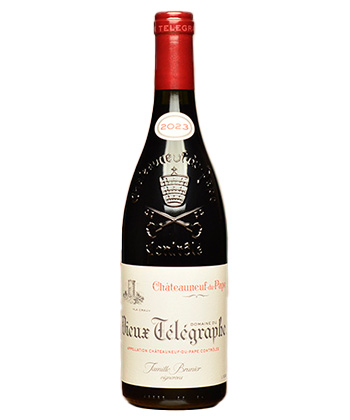
The ‘La Crau’ vineyard’s origins date back to 1898 when farmer and winemaker Hippolyte Brunier planted the first vines. Fairly high in elevation and rather barren, the site proved to be ideal for vines. Today, Vieux Télégraphe’s Grenache-forward wines are prized for their long aging capabilities and structure. The signature La Crau cuvée, retailing for about $136, remains a Châteauneuf-du-Pape icon.
Domaine du Pegau Châteauneuf-du-Pape ‘Cuvée Réservée’
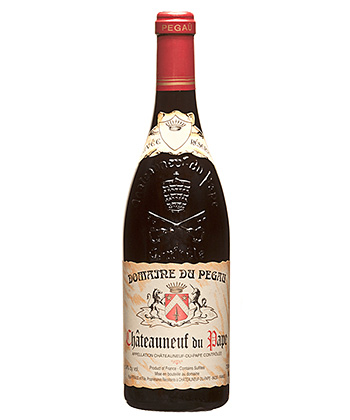
Just like Rayas, Pegau is one of Châteauneuf-du-Pape’s most notable wineries, also like Rayas, its top bottle, ‘Da Capo,’ commands high prices. But the estate’s ‘Cuvée Réservée’ provides a snapshot into Pegau’s prowess with Grenache and other Rhône grapes, but for a more approachable $70 price. Rich and opulent, it still maintains a core of freshness.
Domaine de Longue Toque Gigondas Lieu-Dit ‘Les Trois Yeux’
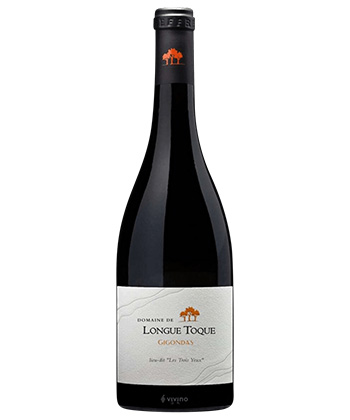
Domaine de Longue Toque is the label for the estate wines from negociant Gabriel Meffre. This organically farmed wine comes from a high-elevation site with limestone soils in Gigondas, and this particular cuvée, retailing for about $88, comprises three vineyard sites. Grenache leads the way in this elegant but concentrated red with notes of red fruits and black olives.
