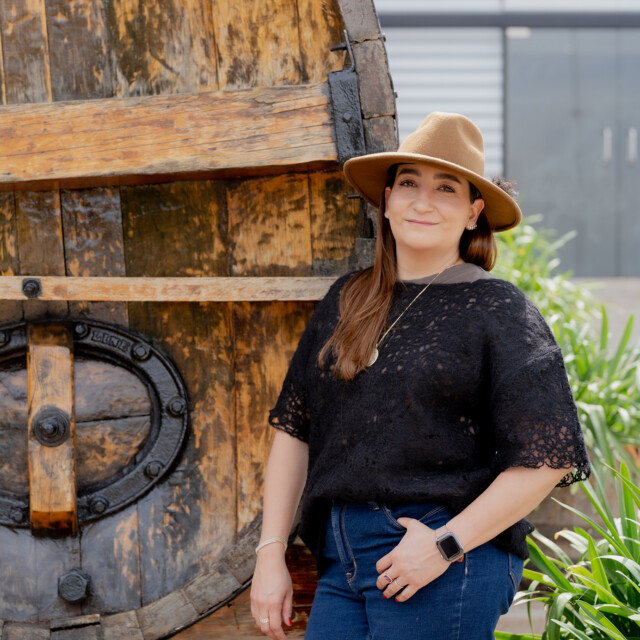
How do you carry the torch for one of the most famous distillers in tequila history? Especially when he’s your brother?
In 1937, legendary Don Felipe Camarena founded Destileria La Alteña in Arandas. His grandson Carlos began distilling there in 1995, turning the distillery’s El Tesoro into one of the most acclaimed brands in the tequila world. But, in 2025, Carlos left to focus completely on Tequila Ocho, a project he had co-founded in 2008.
After 88 years of operation, La Alteña might have been without a Camarena at the helm for the first time ever.
Enter Jenny Camarena.
“I grew up with the distillery as part of everyday life,” says Camarena, the younger sister of Carlos. The jimadores were her babysitters and her earliest memories were of the smell of cooked agave coming out of the ovens, of the tahona wheel turning, and getting to sneak a taste of the honeyed agave fiber. “My family pushed me to understand that coming back to the family business was the honor and privilege that it is and that I could succeed here in my own way.”
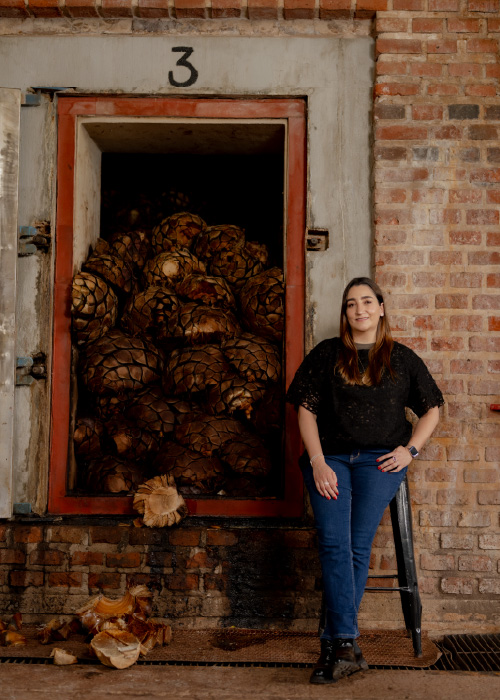
The youngest of nine children (and 24 years younger than her next sibling, Carlos), Jenny went to school for architecture — she loves design and problem-solving — but, like most Camarenas, eventually found her way back to the distillery working as master of operations in 2015. She was hardly a distilling expert.
“Growing up around tequila doesn’t automatically mean you understand how it’s made,” she says. “I had a familiarity, but I certainly didn’t know every technical detail.”
So she dedicated time to every part of the production process, not just wanting to understand what the distillery does, or how it does it, but why her family has long done things the way they do.
In 2025, when Carlos stepped down, Jenny, just 37 years old at the time, stepped up and became El Tesoro’s newest master distiller — the fourth in the brand’s history and the first woman.
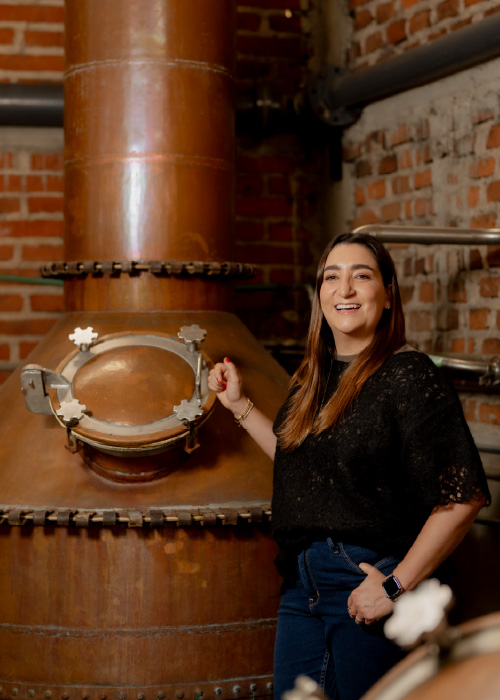
“The foundation my family has built is something I respect enormously, so my first priority has always been to preserve the character and integrity of El Tesoro,” she says. At the least that means continuing to use 100 percent Highlands-grown blue agave, most of it grown on the distillery’s estate, that is then slow-cooked in traditional ovens for three days, then crushed by a two-ton volcanic tahona stone, fermented with wild yeast, double distilled, and aged in the distillery’s cellar.
“At the same time it’s exciting for me to think about how to best guide and influence El Tesoro in this role,” says Camarena.
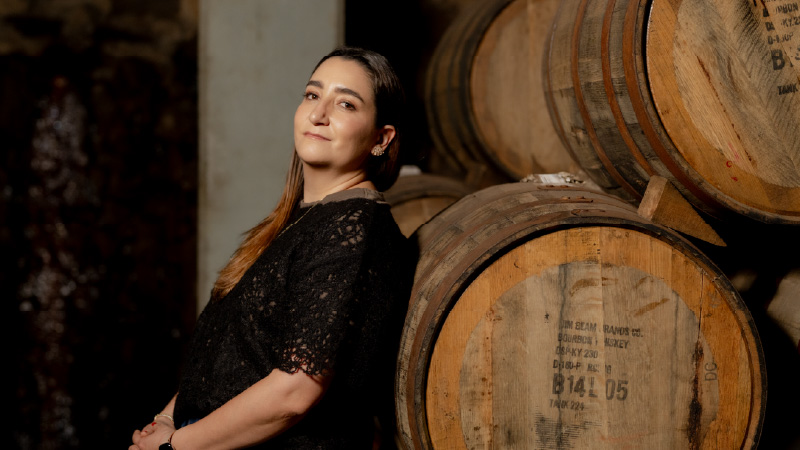
She is extremely interested in how small decisions throughout the production process influence the final tequila. So far, that has most notably been seen in the use of different barrel types in the Mundial Collection. Launched in 2021, that project has seen El Tesoro aged in barrels that previously held peaty Laphroaig single malt; spicy Knob Creek Rye; Basil Hayden Toast bourbon; and last year’s — and Jenny’s first — Yamazaki Edition, which offered an añejo aged in Yamazaki 12-Year-Old Japanese sherry and wine casks. Far from a synergistic gimmick, it would rank as one of our highest-scoring tequilas of the entire year.
“For me, innovation should always support tradition — not replace it,” says Camarena.
It shouldn’t have to be said, but it’s still hard to avoid, that Camarena is also overcoming long-held biases in the traditionally male-dominated tequila distilling field. She’s proud to lead the “next generation” of Camarena women — nieces and cousins mainly — beginning to take on leadership and production roles within the company. Though she can’t help but joke that a great tequila doesn’t know whether it was made by a man or a woman, only that it was produced by someone who showed care, knowledge, and commitment.
No matter what heights Camarena takes El Tesoro to, however, she’ll never forget the relatives that came before her and how the brand will always be a part of her heritage:
“I would love to push us to become even better and give us better opportunities to reach more people, turning La Alteña into a reference point for what family businesses are capable of.”
