A new lexicon of wine descriptors has emerged from the movement to democratize the beverage in recent decades. Despite efforts to make wine more comprehensible and accessible, new-age winespeak can often seem as esoteric as the stuffy terms of yore.
Whether popularized by group tastings, blind tasting videos, or wine bars, these oddball terms have spread across in-the-know consumers. No longer is it uncommon to hear your bon vivant friend detect “barnyard” in their Grenache — nor is it surprising to hear a sommelier describe a by-the-glass Grüner Veltiner as “natty.”
To the average consumer, these terms might sound confusing, if not unpleasant — after all, many describe now-celebrated flavors that were once considered flaws. But once you understand their meanings, you might find yourself seeking out — or avoiding — wines with these less common characteristics. Here are 15 unconventional wine terms, along with their definitions, you should know.
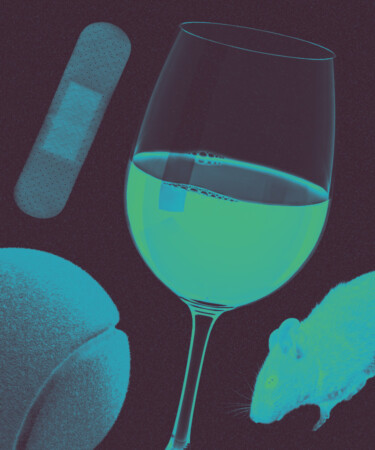
- Band-Aid: Refers to an aroma reminiscent of plastic bandages or a doctor’s office. The scent is caused by Brettanomyces, a yeast that can smell almost like a gamey, fatty piece of lamb.
- Barnyard: Means a wine smells similar to the funky aromas in a barnyard. Also caused by Brettanomyces, barnyard-y scents in wine evoke hay and dung.
- Bubblegum: Signals a fruity aroma that often comes from carbonic or semi-carbonic maceration. This fermentation process — popular in Beaujolais — yields light and sweet notes of strawberry like a freshly opened pack of bubblegum.
- Cat’s pee: Describes a sour, foul scent similar to cat urine. One of the buzzwords for aromas in Sauvignon Blanc, this scent is also caused by Brettanomyces.
- Crisp: Refers to high-acid, typically cool-climate white wines. The acid in these wines quenches the palate, giving off a refreshing “crispness.”
- Flint: Means a wine has an earthy minerality in its smell and taste. Notes of flint are typically present in acidic white wines from grapes grown in high-mineral soil.
- Glou Glou: Is the onomatopoeia for the sound of drinking in French. It refers to easy-drinking, light-in-body, and refreshing wines. Glou glou wines are thirst quenching and suitable for consuming without food.
- Hot: Means a wine is high in alcohol, which usually indicates it comes from a hot climate. Warmer climates yield riper fruit, producing more natural sugars to be fermented into alcohol. A boozy smell, akin to that of higher-proof liquors, is present in hot wines.
- Mouse: Refers to an impurity caused by a bacterial spoilage that smells like the aftertaste of cured meat or a dank basement. Some see it as a flaw, whereas others appreciate the imperfection as a flavor.
- Natty: Typically signals a wine that includes funky, offbeat flavors, such as “mouse” and “barnyard.” Though this term has come to define vibe over-vinification, natty wines are generally crafted with minimal intervention.
- Oxidative: Defines a winemaking style with purposeful exposure to oxygen. It often yields aromas of almond extract and biscuits. During the fermentation or élevage process, oxidative wines are deliberately put into contact with oxygen.
- Salty: Means a wine tastes of salt or seawater. Salinity in wine can indicate a vineyard’s coastal proximity or that its grapes are grown in seashell or granite soil.
- Silky: Refers to a wine with delicate tannins. Silky wines are medium in body and don’t overwhelm the mouth with astringency.
- Tennis ball: Denotes aromas of rubber and plastic, like a freshly opened can of tennis balls. Drinkers might also detect the smell of a rubber hose in these wines, something typical in Riesling.
- Volatile acidity (VA): Means a wine contains gaseous acids. VA describes an acidic aroma, rather than flavor. Wines with VA tend to contain acetic acid, which emits the smell of vinegar.
