The coolest thing to pour into your glass is different every year. Certain cocktails have their moment (Martini, anyone?), new flavor profiles dominate, and a handful of wines become the easiest way to show you’re in the know. What you order isn’t just a marker of taste, it’s shorthand for displaying insider knowledge.
In the wine world, those signifiers exist at every end of the spectrum, from wines with centuries of pedigree behind them to buzzy producers with cult-like Instagram followings. And today, social media hype can propel a relatively unknown producer into the spotlight in a flash, making it more difficult than ever to keep up.
Since the bottles that serve as a flex can change from year to year, we tapped 16 sommeliers across the country to ask which bottles they expect to dominate wine lists and conversations this year. Many say that burgeoning regions like Japan and Mexico are starting to get their due. Meanwhile, other somms are delving into familiar, legacy regions like Champagne and Burgundy to find the area’s more niche, small-production winemakers who might just be the “next big thing.”
These are the buzzy wines that experts say will be the big “IYKYK” pours in 2026 — that is, if you can still find them.
New-Wave Grower Champagnes
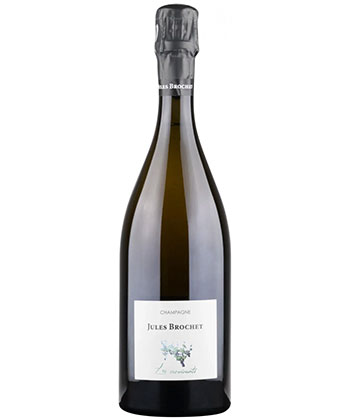
“Champagne Jules Brochet is a relatively newer entry to the scene, created by Pierric Brochet, who hails from the Brochet family of winemakers with deep roots in Champagne. Jules Brochet represents the new vanguard. Stylish, reductive. The wines are recent to New York, but the way guests zero in on them on the list makes it clear word of mouth is clearly spreading.” —Julia Schwartz, wine director, Stars, New York City
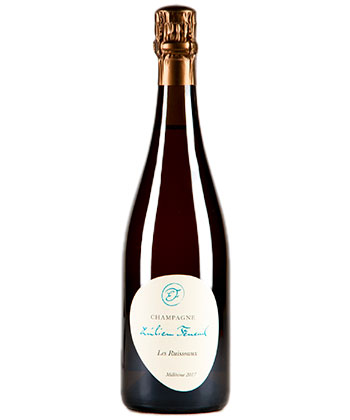
“When it comes to higher-priced bottles, rarity or highly allocated often becomes the ‘permission slip’ for guests to spend, and right now grower Champagne is absolutely living in that space. A producer who’s really taken off is Emilien Feneuil in Montagne de Reims, making soulful, quietly intense wines that feel more like a point of view than a luxury flex. What’s especially cool is that he also makes Côteaux Champenois — still wines from Champagne that don’t undergo secondary fermentation — so you can taste the same idea side by side, sparkling versus still, and really see the site without bubbles ‘editing’ the frame. These wines earn their unicorn status. They’re not meant to be crushed, they’re meditative, and they’re less a frivolous splurge than an investment in art you get to experience, often only once.” —Austin Bridges, wine director, Nostrana, Portland, Ore.
Japanese Wines
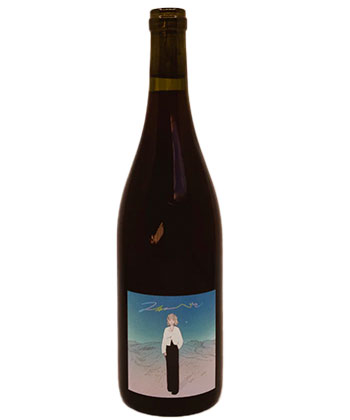
“I think Japan is poised to be a real contender — especially the hybrid wines coming from Les Vins Vivants in Nagano. There’s certainly a sense of discovery that’s undeniable, but what’s most compelling is their precision; these wines express a rare, tensile elegance and offer an exciting glimpse into what’s possible when working with hybrid varieties. From the terroir to the viticulture, I think the whole project is a glimpse into a lot of what the future of wine is going to look like.” —Lauren Friel, owner and wine director, Rebel Rebel, Dear Annie, and Wild Child, Cambridge and Somerville, Mass.
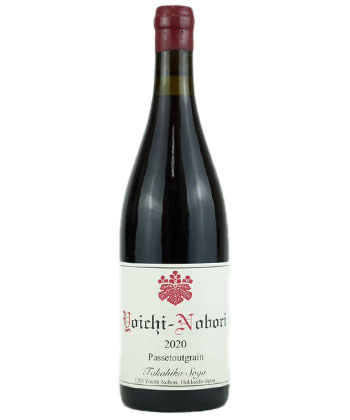
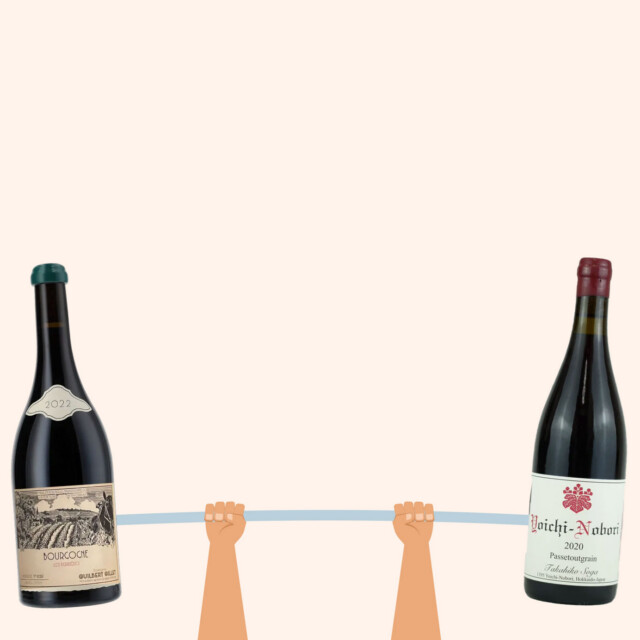
“I recently visited Wine Bar Juni in Meguro, Tokyo. Their selections are robust and fun, but we were hunting for Japanese wines and the sommelier, Ben, pulled out a bottle of Domaine Takahiko ‘Soga Yoichi-Nobori’ Passetoutgrain, a red blend inspired by the Bourgogne Passetoutgrain style of Burgundy, which traditionally is made from Pinot Noir and Gamay. In Takahiko’s version, he uses Pinot Noir and Zweigelt, a cold-climate-adapted grape that thrives in Yoichi (about a 9-minute drive from where Nikka Whisky began). In Yoichi, there are about 25 wineries, but only three produce over 10,000 bottles of wine per year, including Domaine Takahiko. He has won the hearts of the wine team at Noma and the popular rockstar Yoshiki — they just launched a collaboration — making his wines cult and scarce.” —Alyssa Mikiko DiPasquale, owner, The Koji Club, Brighton, Mass.
Burgundy From Niche Producers
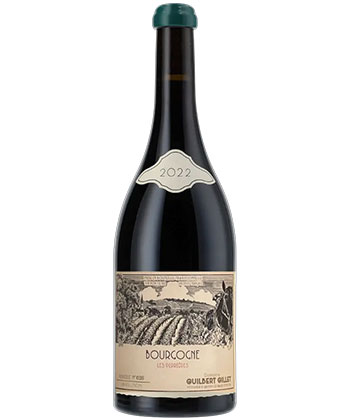
“As many of the extremely exclusive producers have practically priced themselves out of the market, I have found there has been more demand within the wine-knowledgeable and collector circles for the more niche, lesser-known producers from smaller importing portfolios; producers like Gilbert Gillet and Arnaud Ente. As Burgundy is expensive no matter what, I find the flex here to be more ‘in-the-know’ than actual price- based.” —Sydney Fusto, wine director, Manhatta, NYC
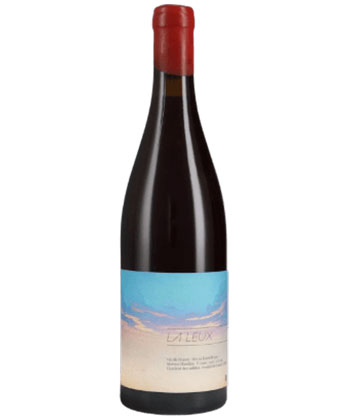
“Tino Kuban’s Maison Glandien wines are definitely on the rise; still more of an in-the-know, developing sort of lore but I think that’s part of what drives the hype even more! With new winemakers or domaines, much of the hype comes from who they worked for previously and how a new project reflects their experience. In the case of Kuban, working for Domaine Pierre Overnoy and taking over the vines of Bernard Van Berg is enough to pique people’s interest. It’s like when Virgil Abloh did his first collection for Louis Vuitton. If you already knew who Virgil was, excited was an understatement. If you didn’t, the intrigue and curiosity was enough to drive the story. Kuban’s wines are also a rare flex for the tiny production and pure infrequency of seeing them in the wild.” —Chris Gellein, wine director, Claud, NYC
Cult Jura Bottles
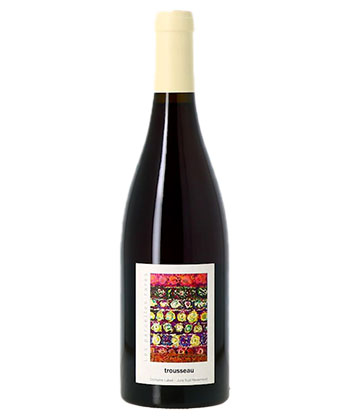
“With the rise of natural wine and regions known for more natural styles, I wouldn’t be surprised to see regions like Jura become the new Montrachet, at least in terms of price point and scarcity. Rather than collectors chasing labels, the attention is more on farming or some form of tension in the glass (reductiveness, skin contact, etc). I think of Domaine Labet, which is already a little ‘if you know you know’ and hard to source from the buyer side. The scarcity will likely keep prices rising and be a flex.” —Amy Racine, beverage director, JF Restaurants, NYC
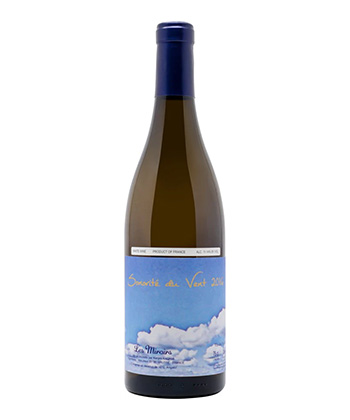
“I haven’t gone a day in the last few months without hearing someone obsess over Domaine des Miroirs. Any Jura wine is always welcome, but this one has to be the buzziest.” —Olivia Moran, general manager and wine director, Same Same, NYC
New-School Bordeaux
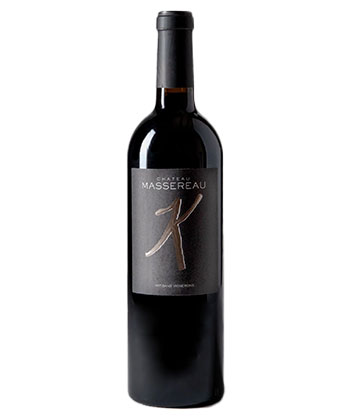
“In 2026, some of the buzziest wines are natural expressions emerging from classic regions like Bordeaux. Bottles like Osamu Uchida’s Pheromone Blanc, Château Lestignac’s Michel Michel Orange, and Château Massereau’s Cuvée K Bordeaux Supérieur offer energy, texture, and approachability. These wines resonate with a younger generation seeking instant gratification and authenticity, rather than waiting decades for a wine to fully evolve, redefining tradition.” —Claire Paparazzo, wine director, Sunday Hospitality, NYC
Danjou-Banessy
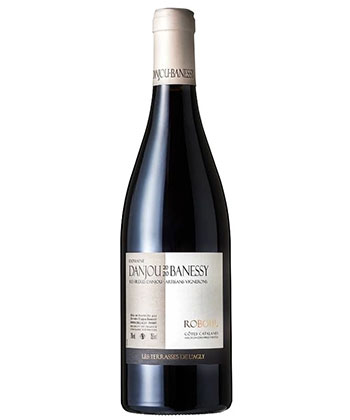
“If you’re chasing the ‘Rayas feeling’ without the Rayas invoice, Danjou-Banessy in France’s Roussillon is a very real stop on that journey. The best bottles hit this ethereal sweet spot: silky Grenache, soft concentration, and this uncanny whisper of Burgundy-like finesse, like silk with a pulse. It’s not trying to be loud, it’s trying to be beautiful, and that’s exactly why sommy somms keep sliding it onto lists and quietly telling each other, ‘Hey… this is the good stuff.’ Old vines, serious farming, and a southern soul with a ballerina’s touch.” —June Rodil, CEO and partner, Goodnight Hospitality (The Marigold Club, Rosie Cannonball, MARCH), Houston
Tough-to-Get Natural Wines
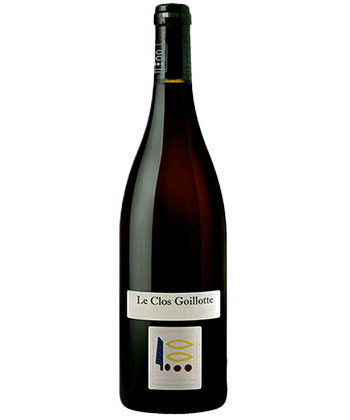
“For 2026, flex bottles are shifting toward highly allocated natural wines like the Prieuré Roch Vosne-Romanée ‘Le Clos Goillotte’ Monopole and Didier Dagueneau Astéroïde’s Franc de Pied. These wines are less about spending power and more about access, signaling insider knowledge and a strong point of view. Increasingly, responsible viticulture and visible commitments to sustainable farming have become part of what makes these producers desirable, functioning as a value signal alongside rarity and reputation. Their extreme scarcity, combined with growing visibility on sommelier-led lists, has turned them into status pours in their own right. Guests who order them tend to know exactly what they are asking for, and that confidence is part of the appeal. As social media continues to amplify their cult status, flex culture will exponentially reward rarity, provenance, and philosophy over legacy luxury labels.” —Monica Townsend, head sommelier and wine program lead, BRASS, NYC
Wines From Obscure Regions
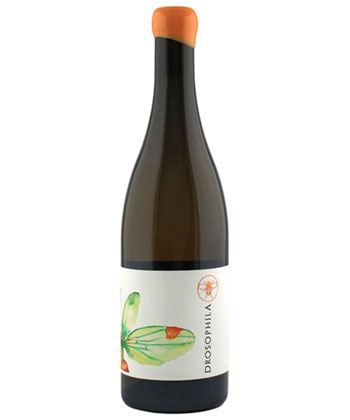
“2026 is the year of people leaning into obscurity not for the sake of obscurity but because the wines are objectively delicious, well made, and challenge the status quo. Producers like Drosophila from Valle de Guadalupe in Baja, Mexico, were one of the most standout Chardonnay-based wines I enjoyed in all of 2025. Served blind at NYC’s Lei, I called it a not-too-shabby Saint-Aubin Premier Cru. Find retailers and restaurants who are willing to make the investments in expanding their offerings to be more inclusive of what’s happening around the world beyond the usual suspects.” —Nader Asgari-Tari, director of wine, BCB3 Hospitality (Zurito, Somaek, Temple Records), Boston
“We’ll see more Portugal, more Balkans and Eastern Europe (Slovenia, Serbia, Croatia, and Slovakia), especially with a focus on dry, savory, umami-esque white and lighter, also savory, chillable-reds.” —Pascaline Lepeltier, beverage director, Chambers, NYC
Spätburgunder
“I think there will be continued conversation around the expansion of Spätburgunder on fully comprehensive wine lists. Regions in Germany are continually ticking up the mercury and getting more consistent ripeness of grapes that historically struggled, at least for consistency, most notably Pinot Noir, known in Germany as Spätburgunder. This is really a two-pronged argument; regions like Rheinhessen, Pfalz, Baden, and Württemberg, or even classic regions like Ahr and Rheingau, have all been making world-class Pinot Noir in the last decade or so and are now starting to fight for the same acclaim and guest recognition of villages in Burgundy like Gevrey-Chambertin or Chambolle-Musigny. They are finding their way and formulas that work for them from emulating some Burgundian methods, infusing the German precision that is famous throughout the country, and highlighting the different aspects and terroirs that make them unique. I believe that the wine list of the next five years that is truly focused on world- class wines as well as quality-to-price ratios for guests will continue to expand and champion German Spätburgunder.” —Chris Clark, beverage director, Oiji Hospitality (Oiji Mi + bom), NYC
West Sonoma Coast Wines
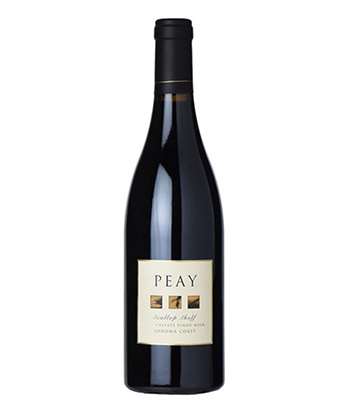
“A particular region comes to mind: West Sonoma Coast. I spent a week exploring the region this past year with some of the top somms in the country, hailing from restaurants like SingleThread and Saga and everything in between, and we were all blown away by the quality and maturity and singular identity of the region. Producers like Peay Vineyards, Failla, DuMOL, Littorai, Cobb, and more are making wines that will stand the test of time. They aren’t trying to make flashy wines or wines that could fit any market trend. As a collective they have clearly made the commitment to pursue site expression, place, and quality in a way that is incredibly unique. There are stalwart producers across California, but to see an entire region dedicated to the same goal was special. In a market that is desperate for a story, for authenticity, for value-to-quality ratio, the West Sonoma Coast AVA stands as a champion. I believe California is the most exciting place in the world for wine right now, and West Sonoma Coast is at the epicenter. And it’s not just Chardonnay and Pinot Noir. Rhône varieties like Syrah, Marsanne, Roussanne, and Viognier, all stunningly gorgeous with precise typicity and unique expression of place.” —Jared May, general manager and wine director, Vida, Indianapolis
Baller Nebbiolo
“We’re seeing more and more mature Nebbiolo being ordered as a statement. These wines age gracefully and can remain very much alive at over 40 years old, with less risk of falling apart than many of their French counterparts. They pair beautifully with food and are aromatically complex. There’s something unforgettable about watching a guest taste a wine older than their first car and realize how alive it still is.” —John Jansma, head sommelier, Per Se, NYC
*Quotes edited for clarity
