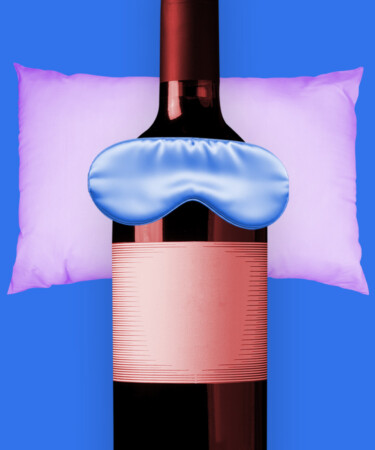
While some drinkers purchase their wine at bars, restaurants, and liquor stores, others anxiously await the arrival of a case at their doorsteps. Tourists order bottles to their homes after traveling to winemaking regions, wine clubs ship cases to subscribers, and another sector of consumers purchase theirs from the vineyards themselves. This side of the market is driving much of the industry: In 2025, direct-to-consumer (DTC) sales accounted for the majority of U.S. wineries’ profits.
Imbibers might be eager to pop open a bottle when wine is delivered, but they’re likely to be met with a caveat. Vendors caution customers to hold off before uncorking once the wine arrives to give it some time to recover from the so-called “bottle shock.”
“Bottle shock,” also known as “travel shock,” occurs when constant agitation during transit puts stress on wine, inhibiting it from expressing its flavors and aromas. It’s a common belief in the industry that wines that have endured plane turbulence, bumpy roads, and other forms of continuous movement turn bland and need time to rest after reaching their destinations to reveal their nuanced qualities once again.
Amid the many myths about wine, it’s easy to write the claim off as bogus: It’s a highly contested theory that drinkers debate on online forums. Unfortunately, there isn’t much evidence to support the claim, but top-level sommeliers generally agree that letting a wine settle after it ships is best practice.
“I find that it shuts the wine down a bit and makes it less expressive,” says Brooklyn-based Master Sommelier Dana Gaiser.
The question then becomes how long a wine needs to settle before enjoying. Some people report that vendors suggest an eight-week rest period. Others say wines more vulnerable to flaws — like unfiltered and unrefined bottles — require extra time to settle.
Retailers and restaurant owners usually don’t need to worry about bottle shock, according to VinePair’s tasting director Keith Beavers. “When wine has gone through all of its distribution channels, it usually ends up in a warehouse where it settles until the importer or distributor decides to begin selling it,” he says. “A trip across town in a delivery truck won’t mess with it.”
But for consumers, Gaiser suggests that a wine’s rest period should depend on its method of travel. Though bottle shock is often associated with air travel, Gaiser has found that delivery by plane is the least-egregious method of transportation for wine.
“I fly with wine on a regular basis and prefer that method of shipping wine to a destination,” he says. If someone must consume a wine quickly after delivery, plane travel is the best. But ideally, a wine that travels by plane should rest for about a week.
Ground transit for cross-country deliveries is tougher on wines, Gaiser says, and they may need a few weeks of rest. Finally, wines shipped by boat — which often produces the worst case of bottle shock — require up to one month of settling before opening.
Beyond giving the aromas and flavors the chance to reach their full potential again, there are other benefits to letting a wine rest after it’s delivered. Sustained movement disperses sediment throughout the bottle and will pool back to the bottom once still. Keeping a wine stationary also regulates its temperature, which may vary drastically during transit.
In any case, there is no definitive answer for whether wine truly needs a bout of rest after it travels. But think of how you feel after a long voyage. Wine suffers from jet lag, too.
