Bordeaux put the idea of fine wine on the map. The 1855 Classification became a model for identifying quality wines and producers, a concept copied throughout the region, as well as the world over.
But anyone who’s been to Bordeaux knows that those Classified Growths don’t reflect how dynamic and forward-thinking Bordeaux is today. The vast region is populated with family-run estates, organic growers, and new generations eager to put their stamp on a style. And while a changing climate and society have given Bordeaux hard knocks, the sensational headlines don’t fully reflect what’s really going on in a legacy region that’s entering its next chapter.
For those interested in getting to know the modern Bordeaux landscape, we compiled a list of producers showcasing what the region has to offer right now. From historic châteaux ranked in the region’s highest classifications to experimental producers working with amphora aging, here are eight producers to know to get into Bordeaux.
Château Troplong Mondot
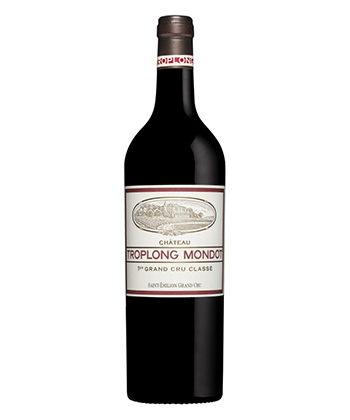
Founded in 1700, Troplong Mondot is ranked Premier Grand Cru Classé in the St. Émilion Classification, which was established in 1955. Being located on the Right Bank, Merlot dominates the cuvées, with a touch of Cabernet Sauvignon and Cabernet Franc rounding out the style. Sustainability is the keyword for this St. Émilion estate. The B Corp-certified winery pledges to cut carbon emissions in half by 2030, reaching net zero by 2050. The Grand Vin ranges in price depending on vintage, anywhere from $120 upwards, but like most Bordeaux châteaux, it offers an affordable second label, Mondot.
Château Malartic-Lagravière
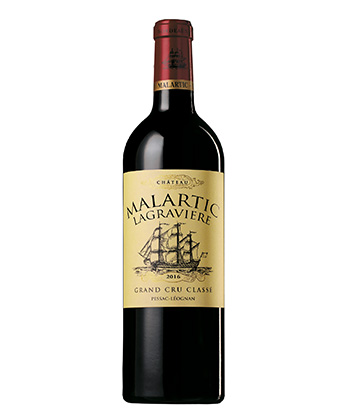
Located in Pessac-Léognan, Malartic-Lagravière was one of six estates to be classified for both its red and white wines in the 1953 Graves Classification. Gravel, shell limestone, and clay define the soils. Cabernet Sauvignon dominates the red wines, with Cabernet Franc and Merlot completing the blend. Out of the 180 acres of vineyards, 17 acres are dedicated to Sauvignon Blanc and Semillon. The white wines, such as the flagship Malartic-Lagraviére Blanc, retailing at around $90 are some of the most exciting in all of Bordeaux, with lots of bright acidity and lifted aromatics.
Château Durfort-Vivens
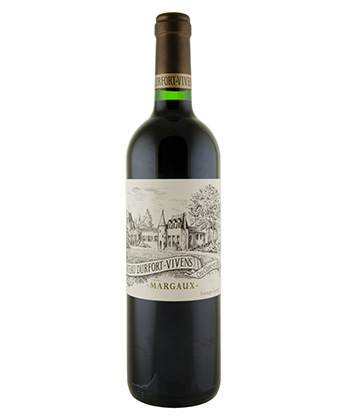
Durfort-Vivens may be a Second Growth in the 1855 Classification, but the Margaux estate is one of the most innovative operators in Bordeaux today. Instead of oak, owners Gonzague and Claire Lurton only use amphoras in the cellar, which they believe brings out the best expression of their Cabernet-focused wines. While Bordeaux is best known for blending different parcels, the couple experiments with single-vineyard expressions. In addition to their Bordeaux property, they own Acaibo winery in Sonoma, bringing another dimension to their knowledge of Cabernet.
Château Pontet-Canet
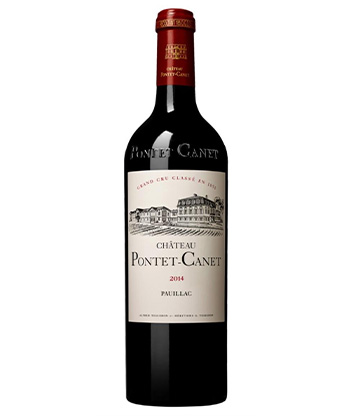
Pontet-Canet, in the Pauillac appellation, is a leader in biodynamic viticulture. Originally founded in 1781, the Fifth Growth château was purchased by the Tesseron family in 1975. In the 1990s, they converted to biodynamics, a rarity in the region, and paved the way for other estates. In 2015, Justine Tesseron took over, in partnership with her brother, Noé, and their cousins. The family also owns the Napa estate Pym-Rae, which was the former home of actor Robin Williams. There, they continue their biodynamic farming principles and focus on Cabernet-based wines.
Château Lagrange
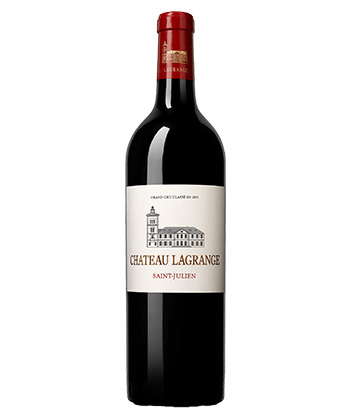
This St. Julien Third Growth estate prides itself on its 265-acre contiguous vineyard in the appellation’s gravelly soils. Founded in the 1700s, it counts Thomas Jefferson among its celebrity clients. It enjoyed a reputation as a fine wine producer until the late 1800s, when phylloxera, world wars, and other hardships decimated the property. In 1983, Keizo Saji from the Suntory family purchased Lagrange and invested heavily in restorations, notably subdividing the vineyard into 103 plots and taking a detailed approach to grape cultivation. The château produces three red wines at various price points, along with two whites, making this an ideal estate to get into Bordeaux.
Château Haut-Brion
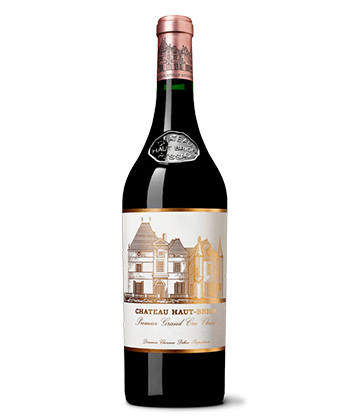
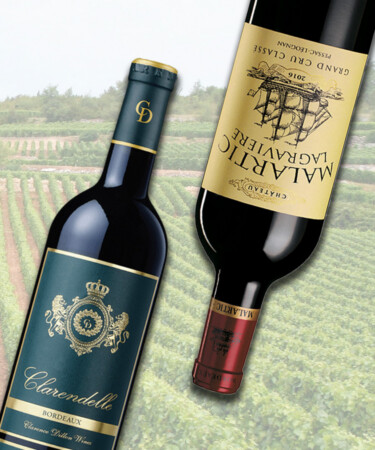
One of the original First Growths in the 1855 Classification, Haut-Brion is one of the most well-known and collected Bordeaux wines. (If opportunity presents itself, it’s worth getting to know all of the First Growths, but Haut-Brion has a fun story to get into.) The reds are led by Cabernet Sauvignon, with Merlot and Cabernet Franc also in the composition. The white wine, a blend of Sauvignon Blanc and Semillon, is an IYKYK wine. Overseeing Haut-Brion and its parent company, Domaine Clarence Dillon, is Prince Robert of Luxembourg, who, before taking over the family estate, worked as a screenwriter in Los Angeles. He wants to bring new drinkers into the Bordeaux fold and, 20 years ago, created the Clarendelle wines, an affordable, lifestyle-driven line. While a bottle of Haut-Brion Grand Vin red might go for $450-plus depending on the vintage, drinkers looking for an entry point to these storied wines can find the Clarendelle for $23.
Château Angélus
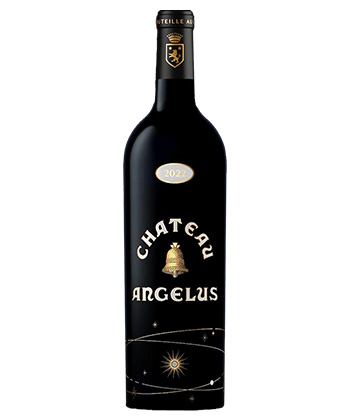
Merlot dominates many of the wines in the Right Bank, but Château Angelus in St. Émilion puts Cabernet Franc front and center. The vineyard, a south-facing amphitheater, contains sandy-limestone soils at lower elevations, which is ideal for Cab Franc, while Merlot vines thrive in the heavier clay soils up-slope. Earlier this year, the estate unveiled a new wine cellar, which took 14 years to construct. If the Grand Vin, which can go for $400 or more depending on vintage, is out of budget, the estate also produces second and third labels for a more affordable taste. The second wine, Le Carillon de Angelus, retails for an average of $150, and the third wine, No. 3 d’Angelus, is priced at approximately $60.
Château d’Yquem
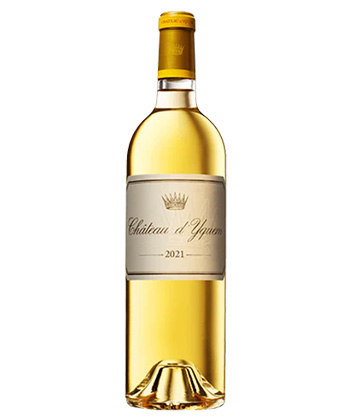
Red and white wines are only part of the story; Bordeaux is also the home of Sauternes, one of the most famous sweet wines in the world. In order to create these dessert sips, vintners rely on botrytis, or noble rot, to concentrate sugars in the grapes. Long considered the pinnacle of Sauternes producer, Château d’Yquem’s laborious process requires a careful selection of grapes during harvest, as they believe various levels of botrytis create the ultimate expression of Sauternes. The estate has been certified organic since 2022, which is no small feat considering the same humidity needed for botrytis development challenges general viticulture, with its heightened risk of bad rot. While even half-bottles can retail for $300, it’s worth the investment to understand the art and science of botrytized wines.
